

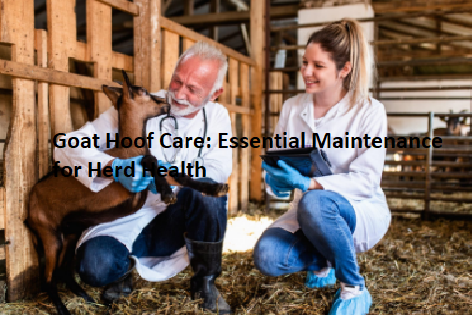
Proper goat hoof care is a fundamental responsibility for any producer, ensuring that animals remain mobile, pain-free, and productive throughout their lives. When hooves are neglected, goats suffer from mobility issues that impact their ability to graze, breed, and thrive in a pasture setting.
By learning to identify the signs of overgrowth and mastering the trimming process, you can prevent chronic lameness and costly veterinary interventions. This article provides the actionable knowledge required to maintain a healthy herd through consistent management practices.
The most frequent question owners ask is how often they should trim hooves. In most environments, you must perform goat hoof care every 6 to 8 weeks to prevent excessive growth.
Goats kept on soft or damp ground will require more frequent attention because their hooves do not wear down naturally against hard surfaces. If you see the hoof wall curling over the sole or the toes becoming elongated, the animal is already overdue for a trim.
Understanding the Anatomy of a Goat Hoof
A goat’s hoof consists of two distinct toes, each protected by a hard outer wall of keratin. This wall supports the animal’s weight, while the sensitive inner tissue, known as the sole and the frog, remains protected underneath.
When the outer wall grows too long, it curls inward, trapping dirt, manure, and moisture against the sole. This environment acts as a breeding ground for anaerobic bacteria, which can lead to severe infections.
The “quick” is the most critical anatomical feature to understand before you pick up a pair of shears. It is the blood-rich, sensitive tissue that runs through the center of the toe, providing nutrients to the hoof wall.
If you cut into the quick, the goat will experience immediate pain and significant bleeding. You must learn to identify the transition from the hard, white or grey hoof wall to the softer, pinkish tissue of the sole.
Essential Tools for Proper Trimming
You do not need an extensive collection of specialized equipment to perform effective maintenance. A pair of high-quality, sharp hoof shears is the most important investment you will make.
Cheap or dull shears will crush the hoof wall rather than slicing through it, which makes the process difficult for you and uncomfortable for the goat. Always keep a file or sharpening stone on hand to maintain a clean edge.
Beyond the shears, having a small hoof pick or a stiff brush is necessary to clear out debris before you begin cutting. Many keepers also keep a supply of styptic powder or cornstarch nearby in case of accidental nicks to the quick.
If you have a large herd, a dedicated milking stand or a grooming chute can make the job significantly easier by restraining the animal safely. This prevents the goat from jumping or kicking, which reduces the risk of injury during the procedure.
The Step-by-Step Trimming Process
Start by securing the goat and lifting the leg gently, bending it at the knee to mimic a natural position. Use your hoof pick to remove all mud and manure from the sole and the crevices around the frog.
Once the area is clean, inspect the hoof wall to determine how much growth needs to be removed. You are aiming to make the bottom of the hoof flat and level with the heel.
Begin by trimming the outer wall of the hoof, working from the heel toward the toe. Take small slices rather than attempting to remove large chunks of growth in one go.
As you reach the toe, be extremely cautious, as this is where the quick is often closest to the surface. Check your progress frequently by looking at the profile of the hoof to ensure you are creating a balanced, level surface.
Common Hoof Problems and Prevention
Neglected hooves often lead to conditions like foot rot or foot scald, both of which are debilitating for the animal. Foot scald is a bacterial infection that thrives in wet conditions, causing inflammation between the toes.
If left untreated, this can progress to foot rot, where the bacteria invade the deeper tissues of the hoof. Proper drainage in your pastures and keeping bedding areas dry are the best ways to prevent these issues.
| Condition | Primary Cause | Common Symptom |
|---|---|---|
| Foot Scald | Excessive Moisture | Redness between toes |
| Foot Rot | Bacterial Invasion | Foul odor and lameness |
| Overgrowth | Lack of wear | Curled hoof walls |
| Abscess | Trapped debris | Heat and swelling |
Managing Environment and Diet
The environment in which your goats live plays a massive role in how quickly their hooves grow. Goats in the wild naturally wear down their hooves on rocky, abrasive surfaces, which minimizes the need for human intervention.
On a farm, you can mimic this by providing large rocks or concrete platforms for the goats to climb on. These structures act as natural files, helping to keep the toes in check between your scheduled trimmings.
Nutrition also influences the structural integrity of the hoof. A diet deficient in essential minerals like zinc, copper, and selenium can lead to brittle hooves that crack or grow abnormally.
Ensure your goats have access to a high-quality, species-specific mineral supplement at all times. Healthy hooves are a visible indicator of a well-balanced diet and a strong immune system.
Safety Considerations During Maintenance
Working with livestock always carries a degree of risk, so personal safety should remain a priority. Always position yourself so that you are not in a direct line with the goat’s back legs, as they can kick with surprising force.
If a goat is particularly fractious, have an assistant hold the collar to keep the animal calm and stationary. Never attempt to trim a hoof while the animal is struggling, as this is the most common cause of self-inflicted cuts.
If you are new to the process, consider asking an experienced producer or a veterinarian to demonstrate the technique. Seeing the angle of the cut and the way an expert handles the animal is worth more than reading any manual.
For additional information on identifying specific lameness issues, you can consult the Merck Veterinary Manual for detailed clinical guidance. Practice on a calm, older goat before moving on to younger or more energetic animals in the herd.
Seasonal Variations in Hoof Growth
You will notice that hoof growth rates fluctuate depending on the season and the goat’s activity level. During the spring, when goats are grazing on lush, fast-growing pasture, hooves tend to grow more rapidly due to the high moisture and nutrient content of the grass. In the winter, when the goats are less active and confined to barns, you may find that the hooves remain stable for longer periods.
However, winter also brings the risk of mud and frozen manure, which can soften the hoof wall and make it more susceptible to damage. You must adjust your schedule based on the conditions rather than adhering to a rigid calendar date. If the weather is exceptionally wet, check the hooves more often to ensure that no debris is trapped deep within the crevice of the heel.
Frequently Asked Questions
How can I tell if I have cut into the quick?
The quick is highly vascular, so you will see a small amount of bright red blood if you accidentally nick it. The goat will also likely pull its leg away or show signs of discomfort. Immediately apply a styptic powder or cornstarch to the area to stop the bleeding and keep the area clean until it heals.
What are the signs of foot rot?
The most obvious sign of foot rot is a distinct, foul, cheese-like odor coming from the hoof. You will also notice lameness, where the goat refuses to put weight on the affected leg. Upon inspection, the skin between the toes will appear raw, inflamed, and perhaps covered in a grey, necrotic discharge.
Should I trim the hooves of a pregnant doe?
Yes, it is actually vital to perform goat hoof care on pregnant does to ensure they stay mobile. However, be gentle and avoid tipping or overly restraining the animal in a way that puts pressure on the abdomen. A quick, efficient trim is better than a long, stressful session that could impact the health of the doe or her kids.
Do all goats need the same frequency of trimming?
No, individual goats have different growth rates based on their genetics, age, and activity levels. Some bucks may require more frequent trimming because of their heavier weight and larger hooves. Always observe your animals individually rather than treating the entire herd as a single unit with the same needs.
Final Thoughts on Herd Management
Consistent attention to your animals’ feet is one of the most effective ways to maintain overall herd health. By integrating regular checks into your farm routine, you transform a potentially overwhelming chore into a simple, manageable task. Remember that the goal of goat hoof care is not just cosmetic; it is about preventing pain and ensuring your goats can move comfortably across their pasture.
Start by assessing your current tools and creating a simple schedule that works for your specific environment. Over time, you will develop the rhythm and confidence needed to handle your goats with ease.
If you encounter persistent issues, do not hesitate to reach out to a local professional to ensure you are using the best techniques for your specific breed and climate. Your goats will benefit from the extra care, and you will enjoy a more productive and healthy herd.
