

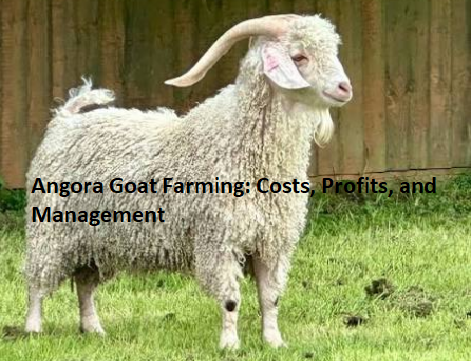
Engaging in Angora goat farming requires a specific blend of livestock management skills and an appreciation for high-quality natural fibers. These animals are raised primarily for their lustrous, long coats known as mohair, which remains a highly sought-after commodity in the global textile industry.
Success in this niche sector depends on understanding the unique biological needs of the goats, the climate requirements for optimal fiber production, and the current market fluctuations for raw mohair. By focusing on animal health and fiber quality, producers can tap into a sustainable agricultural model that rewards meticulous husbandry and long-term planning.
The central question for most newcomers is whether Angora goat farming is actually profitable. Profitability is achievable, but it is rarely a quick path to wealth; it requires a scale of operations typically exceeding 50 to 100 head to achieve meaningful economies of scale. Small-scale hobbyists often find that the cost of feed, shearing, and veterinary care can easily eclipse the revenue generated from raw fiber sales.
However, those who add value by processing the mohair into yarn or finished garments often see significantly higher margins. The profitability of your operation will hinge on your ability to minimize overhead costs while maximizing the micron count and cleanliness of the fleece produced.
The Initial Investment and Ongoing Costs
Starting an operation involves significant upfront capital. A registered, high-quality breeding doe can cost anywhere from $300 to $800, depending on her pedigree and fleece quality.
You will also need to factor in the infrastructure required for the goats, which includes sturdy fencing, predator protection, and a dry, well-ventilated barn. Annual maintenance costs include supplemental feed, routine vaccinations, and the professional shearing services that occur twice per year.
Market Dynamics and Revenue Streams
The primary revenue stream for any producer is the sale of raw mohair. Prices are determined by the diameter of the fiber, with finer, younger goat hair fetching a premium compared to the coarser hair of older animals.
Many farmers supplement this income by selling breeding stock, registered kids, or even manure for compost. Diversifying your revenue streams is essential for long-term stability in the fiber market.
| Expense Category | Estimated Annual Cost (per head) |
|---|---|
| Supplemental Feed | $80 – $120 |
| Veterinary & Health | $30 – $50 |
| Shearing Fees | $15 – $25 |
| Infrastructure Maintenance | $20 – $40 |
Selecting the Right Breed and Genetics
Not all goats are created equal in the world of fiber production. Breeders focus on selecting animals that provide a high weight of fleece while maintaining a low micron count, which indicates softness.
The American Angora Goat Breeders Association provides resources for identifying bloodlines that are suited for specific climates. Investing in quality genetics early prevents the frustration of shearing goats that produce low-value, coarse hair.
Climate and Housing Requirements
Angora goats are notoriously sensitive to moisture and extreme cold, especially immediately after shearing. They require a draft-free barn that stays dry during the winter months to prevent respiratory issues.
You must also ensure that the pasture is well-drained, as these animals are prone to foot rot if kept in muddy or swampy conditions for extended periods. Providing a clean, dry environment is the single most effective way to protect the quality of the fleece.
Managing Nutrition for Fiber Quality
Fiber growth is a metabolically expensive process for a goat. If the animal does not receive adequate protein and energy, the hair will become brittle or the animal will experience a “break” in the fleece, rendering it less valuable.
High-quality hay, supplemented with minerals specifically formulated for goats, is a baseline requirement. You can find detailed nutritional guidelines at the United States Department of Agriculture to ensure your herd meets the necessary standards for healthy fiber production.
The Shearing Process
Shearing is the most critical event in the annual calendar. Because Angora goats are sheared twice a year, usually in the spring and autumn, your schedule must be strictly managed to ensure the fiber is harvested at the peak of its length and cleanliness.
Hiring a professional shearer is almost always worth the expense, as an inexperienced hand can cause nicks to the skin or create “second cuts” that ruin the value of the entire fleece. Proper handling during this time reduces stress on the animal, which directly impacts the quality of the next growth cycle.
Common Health Challenges
Goats are susceptible to internal parasites, which can decimate a herd if left unchecked. A routine deworming schedule, combined with pasture rotation, is necessary to keep worm loads at manageable levels.
You should also watch for signs of lice or mites, which can damage the fiber and cause the goats significant discomfort. Regular monitoring of body condition scores helps you catch health issues before they affect the animal’s ability to produce quality mohair.
- Maintain a strict parasite management protocol with regular fecal testing.
- Ensure all fencing is predator-proof against coyotes and stray dogs.
- Keep a clean, dry birthing area for kidding season to prevent pneumonia.
- Invest in high-quality shearing equipment if you choose to learn the trade yourself.
- Build relationships with local fiber mills to understand their specific cleanliness requirements.
Marketing Your Mohair
Selling your fiber is where the business side of the farm truly begins. The global market is often dominated by large-scale commercial buyers who pay based on weight and grade.
If you produce smaller quantities, look for regional fiber co-ops or artisanal guilds that value high-quality, traceable mohair. Marketing your product as “farm-to-yarn” allows you to capture a much higher price point than selling to bulk brokers.
Understanding Fiber Grading
Mohair is graded by its fineness, measured in microns. Kid mohair is the finest and most expensive, while adult mohair is thicker and typically used for heavier textiles like rugs or upholstery.
You must learn to identify the different grades within your own flock to maximize your returns. Understanding these categories allows you to separate your clip and sell each grade to the appropriate buyer.
Managing Predator Risks
Predators represent a constant threat to a herd of Angora goats. Because they are docile and lack the natural defenses of some other breeds, they require protection.
Many successful farmers utilize livestock guardian dogs, such as Great Pyrenees or Anatolian Shepherds, to patrol the pasture. These dogs bond with the herd and provide a 24-hour deterrent against coyotes, foxes, and other local threats.
Equipment and Infrastructure Needs
Beyond the basics, you will need tools for sorting and cleaning the fiber. A skirted table is essential for removing debris, burrs, and stained wool from the fleece immediately after shearing.
Proper storage in breathable, pest-proof bags will keep the mohair in top condition until it is sold or processed. Investing in these small pieces of equipment early on saves significant time during the busy harvest season.
The Role of Record Keeping
Data is the backbone of any successful agricultural operation. You should maintain detailed records on every goat, including birth dates, health treatments, and annual fiber weights.
This allows you to make informed decisions about which animals to keep and which to cull. Over time, these records will reveal which bloodlines are the most productive and profitable for your specific environment.
Kidding and Herd Expansion
Kidding season is a high-labor period that requires constant observation. You must be prepared to assist with births and ensure that every kid receives adequate colostrum within the first few hours of life.
Expanding your herd through your own breeding program is generally more cost-effective than buying mature animals. However, this requires a long-term commitment to genetic improvement and careful selection of your best bucks.
Common Questions About Angora Goat Farming
Is it possible to raise Angora goats for meat as well as fiber?
While Angora goats are primarily raised for fiber, they can be processed for meat. However, they are not typically bred for meat production and will not yield the same carcass quality as dedicated meat breeds like the Boer. Most farmers focus exclusively on the fiber aspect to maximize the value of the animal’s coat.
What is the most profitable age for an Angora goat?
The most profitable age is typically during the first two to three years of the goat’s life. During this period, the fiber is at its finest, which commands the highest price per pound. As the goat ages, the fiber naturally becomes coarser, which shifts its utility toward heavier, less expensive textile applications.
How much space does a small herd need?
A general rule of thumb is that you can support 5 to 8 goats per acre, depending on the quality of your forage and your willingness to provide supplemental hay. Overstocking leads to parasite issues and overgrazing, which can degrade your pasture quality. It is always better to start with fewer goats and scale up as you learn the land’s carrying capacity.
Do I need to live in a specific region to succeed?
Angora goats are adaptable, but they perform best in arid or semi-arid climates with good drainage. Extremely humid environments can cause severe health problems and degrade the quality of the fleece. If you live in a wet region, you must invest heavily in high-quality housing and ventilation to keep the animals dry.
Why is mohair considered a luxury fiber?
Mohair is prized for its durability, luster, and ability to take dye exceptionally well. Unlike some other wools, it does not have scales that cause it to felt, making it ideal for high-end clothing and upholstery. The limited global supply of high-quality mohair keeps its value consistently high compared to standard sheep’s wool.
Future Outlook for the Industry
The demand for sustainable, natural textiles continues to grow as consumers look for alternatives to synthetic fibers. Angora goat farming is well-positioned to benefit from this trend, provided that producers maintain high standards for animal welfare and fiber quality.
While the market can be volatile, those who focus on the artisanal and luxury segments of the industry often find the most success. By staying educated on global trends and refining your management practices, you can build a resilient and productive operation.
Successful Angora goat farming is a commitment to the long game. It requires patience, attention to detail, and a willingness to adapt your methods to the needs of your herd and the demands of the market. Whether you aim to be a small-scale producer of high-end hand-spinning fleece or a larger commercial operation, the principles of excellent husbandry remain the same.
Start by focusing on the health of your animals and the quality of your fiber, and the business will follow. Reach out to local agricultural extension offices or breed associations to connect with experienced mentors in your area.
