

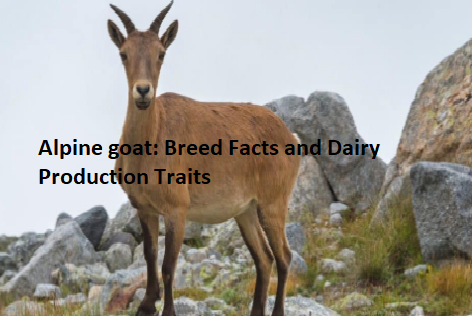
The Alpine goat stands as one of the most productive dairy breeds in the world, prized by homesteaders and commercial farmers alike for its consistent output. Originally developed in the French Alps, these animals have adapted to diverse climates, making them a staple in modern agricultural systems. Understanding their specific needs and behavioral traits is essential for anyone considering adding them to a herd.
This article explores the biological characteristics, milk production capabilities, and management requirements that define the breed. By examining these factors, you will gain a clearer picture of whether these animals are the right fit for your specific farming goals.
The Alpine goat is officially recognized as a distinct breed characterized by its upright ears, alert temperament, and high milk yields. A mature doe typically weighs between 135 and 170 pounds, while a buck can reach 170 to 220 pounds or more. They are known for having a wide range of coat colors and patterns, meaning you won’t see a uniform look across the entire breed.
This diversity in appearance is a result of selective breeding for functional dairy traits rather than aesthetic uniformity. Their short hair makes them relatively easy to groom, though they require regular hoof care and parasite management to remain healthy.
Milk Production and Dairy Potential
The primary reason farmers choose the Alpine goat is its exceptional performance in the milking parlor. On average, a well-managed doe produces between 2,000 and 3,000 pounds of milk per lactation period, which typically spans 305 days. This high volume makes them a favorite for small-scale cheesemakers and families seeking a reliable source of fresh dairy.
The butterfat content in their milk usually ranges from 3.0% to 3.5%, providing a balanced profile that is suitable for drinking, yogurt production, and various types of cheese. Because of their steady production, they are often considered the “Holstein” of the goat world in terms of volume.
Physical Characteristics and Temperament
Beyond their production numbers, these goats are physically robust and highly intelligent. They are known for being curious and sometimes mischievous, which means your fencing needs to be secure and sturdy. An Alpine goat is typically an active forager, preferring to browse on shrubs, weeds, and trees rather than just grazing on grass.
This browsing habit can be an asset for land management, as they help clear brush and manage overgrown pastures. They are also highly social animals that thrive in a herd environment, so keeping them in isolation is rarely recommended for their long-term well-being.
Nutritional Requirements for High Yields
Feeding an Alpine goat for optimal milk production requires a precise balance of forage and supplemental grain. High-quality alfalfa or grass hay forms the foundation of their diet, providing the necessary fiber for healthy rumen function. During peak lactation, you must provide a balanced dairy ration to support their metabolic demands, as they burn significant energy producing milk.
Access to clean, fresh water is non-negotiable; a lactating doe can drink several gallons per day, especially in hot weather. You should also provide free-choice loose minerals specifically formulated for goats to prevent deficiencies in copper, selenium, and zinc.
Management and Health Considerations
Maintaining a healthy herd involves proactive veterinary care and a consistent schedule. You must keep up with routine vaccinations, particularly against enterotoxemia and tetanus, which are common threats in goat populations. Internal parasite management is a critical aspect of Alpine goat husbandry, often requiring a strategy that combines rotational grazing with regular fecal egg counts.
By monitoring their FAMACHA scores—a method of checking eyelid color for signs of anemia—you can identify and treat individual animals before a parasite infestation becomes life-threatening. Consistent record-keeping regarding birth dates, health treatments, and milk yields will help you make informed decisions about your breeding program.
Comparison of Common Dairy Goat Breeds
When selecting a breed, it is helpful to look at how the Alpine goat compares to other popular dairy options. While other breeds might offer higher butterfat percentages, the Alpine remains a top contender for sheer volume and consistency. The table below outlines some general production differences between common breeds to help you contextualize their performance.
| Breed | Average Milk Volume | Butterfat Content |
|---|---|---|
| Alpine | High (2,000+ lbs) | Moderate (3.0% – 3.5%) |
| Nubian | Moderate (1,500 lbs) | High (4.5% – 5.0%) |
| Saanen | Very High (2,500+ lbs) | Low (2.5% – 3.0%) |
| LaMancha | Moderate (1,800 lbs) | High (3.5% – 4.0%) |
Breeding and Reproduction Cycles
The breeding cycle of the Alpine goat is seasonal, usually triggered by the shortening days of autumn. Does typically reach sexual maturity between 7 and 10 months of age, though many breeders prefer to wait until they are at least 12 months old before breeding to ensure full physical development. Gestation lasts approximately 150 days, meaning that careful planning is required to synchronize kidding with the availability of spring forage.
You should monitor does closely as they approach their due date to assist with any birthing complications. Proper colostrum intake for newborn kids is vital for their immune system, so ensure they receive enough within the first few hours of life.
Housing and Fencing Requirements
Housing an Alpine goat does not require expensive, climate-controlled facilities, but it does necessitate a dry, draft-free shelter. They are sensitive to moisture and cold winds, so a simple three-sided shed facing away from prevailing winds is often sufficient. Flooring should be kept clean and dry to prevent hoof rot and other respiratory issues.
Fencing is perhaps the most important infrastructure investment you will make. Because they are intelligent and prone to jumping or testing boundaries, you need at least 48-inch high woven wire fencing to keep them contained. For more information on breed standards and registration, you can visit the American Dairy Goat Association to learn about the official requirements and performance programs.
Common Questions About Alpine Goats
What is the typical lifespan of an Alpine goat?
An Alpine goat generally lives between 10 and 15 years with proper nutrition, healthcare, and shelter. Longevity is often determined by the quality of their diet and the effectiveness of parasite control measures throughout their life.
Are these goats suitable for beginners?
Yes, they are often recommended for beginners because they are hardy, easy to milk, and have a generally calm temperament. Their popularity also means there is a wealth of community knowledge and resources available for new owners.
Do they require a lot of space?
While they are active, they do not require massive acreage if managed correctly. You can keep a small herd on a modest plot of land as long as you provide adequate browsing opportunities and practice rotational grazing to keep pastures healthy.
Can they live alone?
No, they are highly social herd animals and will suffer from stress if kept in isolation. You should always keep at least two goats together to satisfy their social needs and ensure their mental well-being.
How often should they be milked?
Most commercial and homestead dairies milk their does twice daily to maintain maximum production levels. While some owners opt for once-a-day milking, this will significantly reduce the total milk volume over the course of the lactation.
The Alpine goat remains a cornerstone of the dairy industry due to its impressive milk production and adaptable nature. Whether you are aiming to start a small homestead dairy or simply want reliable animals for family milk supply, this breed offers a proven track record of success. Success with these animals ultimately comes down to providing consistent care, high-quality forage, and a secure environment for them to thrive.
By staying attentive to their health and nutritional needs, you can enjoy the many benefits that an Alpine goat herd brings to your property. If you feel prepared to manage the daily responsibilities of dairy animals, starting with this breed is a reliable and rewarding way to enter the world of livestock farming.
