

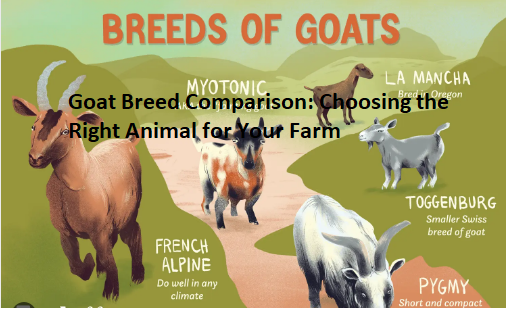
Selecting the right livestock starts with a thorough goat breed comparison to determine which animal fits your specific goals, land size, and climate. Whether you are aiming for high-volume milk production, efficient meat conversion, or simply seeking gentle brush-clearing companions, the diversity within the species is vast.
Understanding these physiological and temperamental differences ensures you invest in animals that thrive in your management system rather than struggling to adapt. This analysis breaks down the core characteristics of popular breeds to help you make an informed decision for your agricultural venture.
Defining Your Production Goals
Before diving into a goat breed comparison, you must clearly identify your primary objective. Are you looking to establish a commercial dairy operation, or is your interest centered on sustainable meat production? Some breeds are dual-purpose, but most have been selectively bred over centuries to excel in one specific area.
Dairy breeds, such as the Alpine or Nubian, prioritize the conversion of forage into high-protein milk rather than muscle mass. Conversely, meat breeds like the Boer or Kiko focus on rapid growth rates and muscular skeletal structures. Fiber production, represented by breeds like the Angora, requires an entirely different management style focused on coat maintenance and nutrition.
Selecting a breed that contradicts your intended output leads to higher feed costs and lower profitability. For instance, attempting to raise a high-maintenance dairy goat for meat will result in poor feed conversion ratios. Always align your breed selection with your local market demand and your personal time commitment.
Dairy Goat Performance Metrics
The dairy sector is dominated by a few key players known for their high yields and butterfat content. The Nubian is famous for its long, pendulous ears and high-butterfat milk, which is prized by artisanal cheesemakers. While they are vocal and sometimes stubborn, their production efficiency is hard to beat for small-scale operations.
Alpine goats are the workhorses of the dairy industry, offering consistent, high-volume production in diverse climates. They are generally more stoic than Nubians and handle intensive milking schedules with fewer health issues. Their milk is typically lower in butterfat than the Nubian’s but excellent for fluid milk sales.
When comparing these animals, consider the following performance indicators:
- Nubian: High butterfat (4.5%–5%), seasonal breeders, very vocal.
- Alpine: High volume (up to 3,000 lbs/year), hardy, calm temperament.
- Saanen: Highest milk volume, sensitive to intense sunlight, very docile.
- Toggenburg: Excellent for cooler climates, consistent producers, smaller stature.
These metrics fluctuate based on forage quality and individual genetic lines. Always ask breeders for DHIA records to verify the actual production history of the herd.
Meat Goat Selection and Growth Rates
Meat production focuses on weight gain per day of age and carcass quality. The Boer goat remains the industry standard, originally developed in South Africa for its impressive muscling and rapid growth. They are heavy-bodied, thick-necked, and possess a high dressing percentage at slaughter.
However, the Boer is not always the best fit for every environment. Some producers find that the Kiko breed, which originated in New Zealand, offers better parasite resistance and hardiness in humid conditions. Kikos were bred for survivability, making them an excellent choice for pasture-based systems with less intensive medical intervention.
| Breed | Primary Focus | Hardiness | Growth Rate |
|---|---|---|---|
| Boer | Muscle Mass | Moderate | High |
| Kiko | Forage Efficiency | High | Moderate |
| Spanish | Brush Clearing | Very High | Low to Moderate |
| Myotonic | Meat/Novelty | High | Moderate |
The University of Arkansas Extension provides further technical details on managing these breeds for optimal livestock health. Balancing the genetic potential for growth with the natural resilience of the animal is the hallmark of a successful meat goat enterprise.
Fiber Production and Unique Characteristics
Raising goats for fiber introduces a different set of challenges and specialized care requirements. The Angora is the most prominent breed in this category, valued for the production of mohair. These animals require a strict shearing schedule, typically twice a year, to prevent the fiber from matting or being lost.
Angoras are significantly more delicate than dairy or meat breeds, particularly regarding cold stress after shearing. Their nutritional requirements are also higher because they must allocate energy to both growth and continuous fiber production. If you are interested in fiber, you must have a clean, dry housing environment to prevent contamination of the fleece.
Another option is the Cashmere goat, which produces a fine, high-value undercoat. These are not a single breed but rather a classification of goats that produce enough soft down to be commercially harvested. Managing these animals requires a keen eye for quality and a willingness to perform the labor-intensive process of combing or shearing at the right time of year.
Temperament and Ease of Handling
Temperament is a crucial factor in a goat breed comparison, especially for family farms or those with limited labor. Some breeds, like the Nigerian Dwarf, are highly popular for their miniature size and friendly, inquisitive nature. They are easier to handle for children and beginners, though their small size does not necessarily equate to less maintenance.
Larger dairy breeds tend to be more independent and occasionally difficult to move if they are not trained early. The Saanen is often cited as the most docile, making them a preferred choice for large-scale commercial dairies where frequent handling is mandatory. Conversely, some meat breeds can be more aloof or flighty, especially if they have been raised in expansive, semi-wild conditions.
Regardless of the breed, socialization from birth is the most significant factor in temperament. A well-socialized Boer can be as gentle as a pet, while a neglected Nigerian Dwarf can become difficult to manage. Always prioritize animals from herds that practice regular handling and health checks.
Environmental Adaptation and Herd Health
Geography plays a vital role in which goat breed will thrive on your property. Breeds like the Alpine or Toggenburg perform exceptionally well in mountain regions or cooler, temperate zones. They have thicker coats and are generally more tolerant of damp, chilly weather than tropical or arid-adapted breeds.
If you are located in a hot, humid climate, you must prioritize breeds with natural parasite resistance. The Spanish goat is highly regarded for its ability to thrive on scrub brush and its resistance to internal parasites, which are the leading cause of mortality in many goat operations. Trying to force a high-production dairy goat to survive in a brush-heavy, parasite-prone environment without heavy intervention is usually a recipe for failure.
Always consult with local extension agents to identify the common health challenges in your region. A goat breed comparison is incomplete without considering the local disease load and seasonal weather patterns. Selecting a breed that is already adapted to your local environment will save you thousands of dollars in veterinary bills and supplemental feed costs.
Managing Genetic Diversity
Maintaining a healthy herd often involves choosing between purebred genetics and crossbreeding. Purebreds are essential if you plan to sell breeding stock or participate in show circuits, as they offer predictable traits. However, for commercial production, crossbreeding can often yield “hybrid vigor,” resulting in hardier offspring with better growth rates.
Many producers use a Boer buck over a herd of dairy-cross does to produce fast-growing, robust meat kids. This strategy leverages the milk production of the mother to ensure the kids grow rapidly while inheriting the muscle structure of the sire. Understanding these genetic combinations requires a long-term plan and accurate record-keeping.
Never buy animals based solely on aesthetic appeal or recent trends. Focus on the data, the performance of the dam and sire, and the specific goals of your operation. By investing in the right genetics from the start, you build a foundation that supports long-term sustainability and profitability.
Frequently Asked Questions
Which breed of goat is the best for beginners?
The Nigerian Dwarf is often recommended for beginners because of its manageable size and generally docile temperament. However, if you are interested in milk production, a Saanen or Alpine is also excellent due to their calm nature and ease of milking.
Are meat goats more aggressive than dairy goats?
Aggression is more a function of handling and individual personality than breed. While some meat breeds like the Boer can be physically imposing due to their size, they are not inherently aggressive. Consistent, gentle handling from a young age is the best way to ensure your herd remains easy to work with.
How often do goats need to be milked?
Dairy goats typically require milking twice a day to maintain peak production. Some producers move to once-a-day milking later in the lactation cycle, but this will result in a decrease in total volume. Always ensure you have the time commitment before investing in high-production dairy breeds.
Can I mix different breeds in the same herd?
Yes, you can keep different breeds together, provided they have similar nutritional and housing requirements. Be aware that dominant animals may emerge, and you must ensure that all goats have access to feed and water. It is generally easier to manage a herd of similar-sized animals to prevent bullying.
What is the most important factor in choosing a breed?
The most important factor is aligning the breed’s natural strengths with your specific farm goals and environment. A breed that is highly productive in one climate may struggle in another. Always research the breed’s history and ensure it matches the resources you have available on your land.
Conclusion
Engaging in a thorough goat breed comparison is the most effective way to ensure your agricultural goals are met with efficiency and success. By carefully assessing your production targets, local climate, and available resources, you can avoid the common pitfalls of choosing animals ill-suited for your specific management style. Whether you prioritize the high-volume output of dairy animals, the rapid growth of meat breeds, or the unique utility of fiber producers, the right genetic foundation makes all the difference.
Remember to focus on health, temperament, and adaptability as you build your herd. As you move forward, start by visiting local farms and speaking with experienced breeders to see how these animals perform in your specific area. Taking this methodical approach will lead to a more sustainable and rewarding experience with your goats.
