

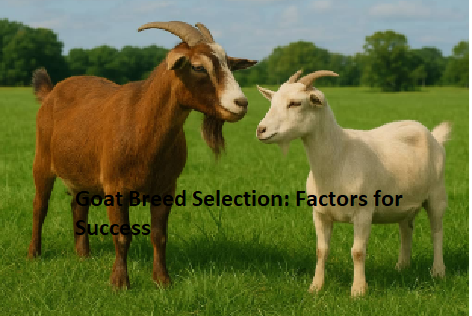
Making the right goat breed selection depends entirely on your specific goals, whether you are aiming for high-volume milk production, meat yield, or land management. Most beginners make the mistake of choosing an animal based on appearance before considering the environmental requirements or the labor intensity of the specific genetics. Understanding how your local climate, available fencing, and market access align with breed traits will ultimately determine the profitability and sustainability of your herd.
Matching Genetics to Your Production Goals
Successful goat breed selection starts with a clear definition of your primary output. If you intend to operate a commercial dairy, your focus should be on breeds like the Alpine or Saanen, which are renowned for consistent, high-volume milk yields. Conversely, meat production requires a different set of priorities, such as growth rates, parasite resistance, and structural soundness.
Dairy breeds prioritize the conversion of forage into milk solids rather than rapid muscle accumulation. A Saanen doe, for instance, can produce between 2,000 and 3,000 pounds of milk in a standard 305-day lactation cycle. If your goal is cheese production, you might opt for the Nubian, which offers a higher butterfat content, though typically at a lower total volume than the Swiss dairy breeds.
Meat-focused operations require breeds capable of thriving on pasture with minimal intervention. The Boer goat is the industry standard for meat production due to its heavy muscling and rapid weight gain. However, if you live in a high-rainfall area, the Boer may struggle with hoof health, making the Kiko or Spanish goat a more resilient alternative.
Evaluating Environmental Resilience
Your local climate dictates the biological limits of the goats you choose to keep. Hot, humid climates present significant challenges regarding internal parasites, which can decimate a herd that lacks natural immunity. Selecting a breed that has evolved or been bred in similar environmental conditions significantly reduces your reliance on chemical dewormers.
For producers in the American Southeast, parasite-resistant breeds like the Kiko are often the preferred choice. These animals were bred in New Zealand under minimal management conditions, favoring individuals that could maintain body condition despite heavy worm loads. Comparing this to a breed like the Angora, which requires a dry, temperate climate to keep its fleece clean and healthy, shows how geography limits your options.
Factors for Environmental Suitability
- Annual rainfall levels in your specific county or region.
- Average winter low temperatures and duration of cold spells.
- Types of browse and forage available on your specific acreage.
- Presence of predators that require more vigilant, protective breeds.
Housing requirements also vary by breed. Dairy goats generally require more sophisticated infrastructure, including milking parlors and clean, dry indoor shelter to prevent mastitis. Meat goats are often more rugged, though they still require protection from extreme wind and wet conditions to maintain their body heat during winter months.
Analyzing Feed Conversion and Efficiency
The cost of feed is the largest variable expense in any livestock operation, making feed conversion efficiency a critical metric in goat breed selection. You must calculate how much dry matter intake an animal requires to produce a pound of gain or a gallon of milk. Some heritage breeds are highly efficient at browsing brush, which can reduce your supplemental feed costs significantly.
The Spanish goat is widely regarded as a superior choice for clearing brush and managing weeds on marginal land. They are survivors that can thrive on scrub and woody plants that other breeds might ignore. If you are using goats specifically for land management, you might prioritize these “brush goats” over the high-input animals that require premium alfalfa or expensive grain rations.
Comparative Breed Performance Metrics
| Breed | Primary Use | Average Mature Weight (Lbs) | Key Characteristic |
|---|---|---|---|
| Saanen | Milk | 135 – 175 | High Volume |
| Boer | Meat | 190 – 260 | Rapid Growth |
| Kiko | Meat | 120 – 180 | Parasite Resistance |
| Nubian | Dual-Purpose | 135 – 175 | High Butterfat |
High-production dairy breeds are genetically programmed to prioritize milk synthesis over body maintenance. This means they often struggle to maintain weight if the quality of forage drops even slightly. You should consult the USDA Agricultural Research Service for data on livestock performance and nutritional requirements in your specific zone.
Infrastructure and Management Intensity
Goat breed selection is inextricably linked to the amount of time you can commit to daily chores. Dairy goats demand strict, twice-daily milking schedules, which creates a tether to the farm that many owners find difficult to sustain. If you cannot commit to this schedule, you are better off selecting a meat or fiber breed that only requires periodic health checks.
Fencing requirements also shift depending on the breed. Dairy breeds are often more curious and prone to testing fences, requiring high-tensile wire or woven wire installations. Smaller or more docile breeds may be contained by electric netting, which offers the flexibility of rotational grazing.
Labor intensity is not just about milking; it includes kidding season management. High-production dairy does may experience more complications during birth or require more assistance with nursing. Meat breeds are often selected specifically for their “mothering ability,” meaning they can deliver and raise healthy kids on pasture with very little human help.
Health and Veterinary Considerations
Every breed carries a specific set of genetic predispositions to certain health issues. By researching these before you purchase, you can avoid costly veterinary bills and minimize the risk of losing animals. For instance, white-skinned breeds like the Saanen are more susceptible to skin cancer and sunburn, necessitating shade structures or sunscreen applications in sunny regions.
Breeds with heavy, long hair like the Angora are prone to internal parasites because their coats trap moisture and heat. They also require regular shearing, which is a specialized skill that you must either learn or pay someone else to perform twice a year. If you are not prepared for the shearing cycle, the fiber production becomes a liability rather than an asset.
When selecting your foundation stock, look for breeders who perform testing for common diseases like Caseous Lymphadenitis (CL) and Caprine Arthritis Encephalitis (CAE). Buying from a clean herd is the most important step in protecting your investment. Do not assume that a high-priced animal from a show-winning herd is automatically healthy; always request documentation of health testing.
Evaluating Market Demand and Profitability
Your goat breed selection should ideally align with the market demand in your immediate vicinity. If you are located near a large urban center with a significant ethnic population, there is likely a high demand for specific weights and types of meat goats during religious holidays. Understanding these market cycles can help you time your breeding season for maximum profitability.
Milk production is a different model, requiring access to local creameries or the legal infrastructure to process and sell raw or pasteurized dairy products. Before investing in a dairy herd, research the cottage food laws in your state. Selling goat milk products often involves strict health department inspections that can add significant overhead to your business.
Fiber production is a niche market that relies heavily on quality control. Unless you are prepared to hand-spin, weave, or market your fiber to high-end fiber artists, you may find that the cost of shearing exceeds the market value of the raw fleece. Ensure you have a clear path to market before choosing a breed strictly for its fiber output.
Long-Term Herd Improvement Strategies
Once you have made your initial goat breed selection, the work shifts to genetic improvement. You should keep meticulous records of which does produce the best kids, which ones have the best temperament, and which ones remain the healthiest under your management style. Cull the animals that do not meet your performance standards, regardless of their pedigree.
Crossbreeding is a common strategy used by meat producers to capture “hybrid vigor,” or heterosis. By crossing a heavy-muscled Boer buck with a hardy, parasite-resistant Kiko doe, you can often produce offspring that inherit the best traits of both parents. This strategy allows you to optimize your herd for your specific environment while maintaining high growth rates.
Always keep the future in mind when selecting a buck. He represents half of your herd’s genetics and will influence the quality of your kids for years to come. Investing in a high-quality, performance-tested buck is the fastest way to improve your herd’s productivity, regardless of the breed you choose.
Frequently Asked Questions
What is the lowest maintenance breed for beginners?
The Kiko or the Spanish goat are widely considered the lowest maintenance options. They are hardy, excellent at foraging, and generally require less intervention for kidding and health maintenance compared to dairy breeds.
How can I tell what breed my goat is?
You can identify a breed by its physical characteristics, such as ear shape, coat texture, and size, but registration papers are the only way to be certain of the pedigree. If you are buying a commercial animal, look for the traits standard to that breed, but understand that crossbred goats are very common.
What is the best breed for small-scale dairy?
The Nigerian Dwarf is often recommended for small-scale dairy operations because of its manageable size and high-butterfat milk. They produce less volume than larger breeds, which is often an advantage for a family or a small household operation.
How do I know if a breed is right for my climate?
Look for the origin of the breed and see if it matches your local weather patterns. A breed developed in a dry, mountainous region will likely struggle in a hot, humid, swampy environment, so look for local breeders who have successfully raised the breed in your area for several years.
Is it possible to mix different breeds in one herd?
Yes, you can keep different breeds together, but you must be careful with nutritional management and breeding. If you have a dairy buck and a meat doe, you will get crossbred offspring that might not excel at either function, so it is usually best to keep your breeding groups separated by breed.
Final Considerations for Success
Making an informed goat breed selection is the foundation of a productive and enjoyable experience with livestock. By prioritizing your specific goals—whether that is milk, meat, fiber, or land management—you can avoid the common pitfalls that lead to burnout. Always remember that your environment is the final arbiter of which animals will thrive on your property.
Take the time to visit local farms, observe the animals in their working environment, and talk to experienced producers in your area. Building a network of mentors who understand your local challenges will provide more value than any book or online guide. Once you have selected your foundation stock, focus on consistent management and careful record-keeping to ensure the long-term success of your herd.
