

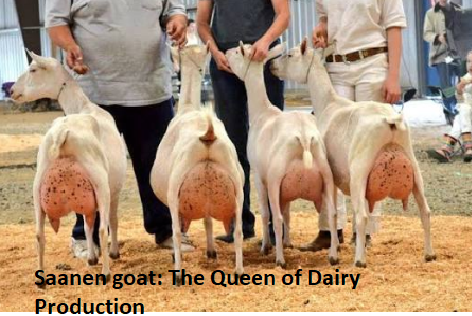
The Saanen goat stands as one of the most productive dairy animals in the world, renowned for its consistent milk output and docile temperament. Originating from the Saanen Valley in Switzerland, this breed has become a global staple for commercial dairies and small-scale homesteaders alike.
Understanding the specific needs and performance metrics of a Saanen goat helps breeders maximize their herd’s potential while ensuring animal welfare. Whether you are looking to start a small enterprise or improve your existing milk yield, this breed offers a clear path toward high-volume production.
Milk Production Capabilities
The defining characteristic of the Saanen goat is its exceptional ability to produce high volumes of milk. On average, a healthy, well-managed doe can yield between 800 and 1,200 kilograms of milk over a standard 305-day lactation period. This output is significantly higher than many other dairy breeds, earning the animal its reputation as the “Queen of Milk.” Because of this volume, these goats require high-quality forage and supplemental grains to maintain their body condition throughout the milking cycle.
Physical Characteristics and Breed Standards
Saanen goats are easily recognized by their solid white or light cream-colored coats, which are short and fine. They possess an alert, upright posture with ears that point forward, giving them a distinctively attentive appearance. The breed is typically medium to large in size, with does weighing roughly 60 to 70 kilograms and bucks often exceeding 80 kilograms. Their skin is generally pinkish, and their faces are straight or slightly dished, lacking the Roman nose profile found in some other dairy breeds.
Temperament and Management
One of the primary reasons farmers choose this breed is its remarkably calm and gentle nature. Saanen goats are known for being easy to handle, which simplifies tasks such as daily milking, hoof trimming, and health checks. They are not prone to aggression, making them an excellent choice for families or operations with multiple handlers. However, their docility does not mean they lack personality; they are often curious and form strong bonds with their primary caregivers.
Nutritional Requirements for High Yields
Maintaining the high milk output of a Saanen goat necessitates a strict nutritional regimen focused on energy and protein. Lactating does require access to high-quality alfalfa or legume hay, which provides the necessary calcium and protein for milk synthesis. You must also provide a balanced mineral supplement, specifically formulated for goats, to prevent deficiencies that can lead to metabolic issues like ketosis. Fresh, clean water must be available at all times, as milk is composed largely of water; a drop in intake will immediately reflect in the daily yield.
Comparison of Dairy Goat Performance
To understand where the Saanen goat fits into a broader production strategy, it is helpful to compare its output against other popular dairy breeds. While other goats might offer higher butterfat percentages, the sheer volume produced by this breed remains unmatched. The following table provides an overview of typical production characteristics for the most common dairy breeds.
| Breed | Average Daily Milk (Liters) | Butterfat Content |
|---|---|---|
| Saanen | 3.5 – 5.0 | 3.0% – 3.5% |
| Nubian | 2.0 – 3.5 | 4.5% – 5.0% |
| Alpine | 3.0 – 4.5 | 3.2% – 3.8% |
| Toggenburg | 2.5 – 4.0 | 3.0% – 3.5% |
Health Considerations and Common Issues
Despite their robust nature, these goats are susceptible to certain health challenges common to intensive dairy breeds. Parasite management is a critical aspect of herd health, as goats are highly sensitive to gastrointestinal worms. You should implement a regular fecal egg count program to determine the necessity of deworming rather than relying on blanket treatments. Additionally, mastitis is a constant risk in high-producing udders, requiring strict hygiene during the milking process and regular monitoring of udder health. For more detailed information on biosecurity and disease management, you can consult the American Dairy Goat Association for standardized best practices.
Breeding and Genetic Selection
Successful breeding programs for this breed focus on increasing production longevity and udder conformation. You should select bucks from dams with proven high-volume records to ensure that future generations maintain the breed’s reputation for productivity. It is equally important to evaluate the structural soundness of the animals, particularly their legs and feet, as they must support a large frame and a heavy udder. Avoid breeding animals with known genetic defects, such as wattles or ears that do not conform to the breed standard, if you intend to maintain pedigree status.
Essential Equipment for Dairy Operations
Setting up a facility for your herd requires specific infrastructure to ensure both human and animal safety. A clean, dedicated milking parlor is essential to maintain low somatic cell counts and ensure the quality of the milk. You will need a reliable milking machine for larger herds, though hand milking is feasible for smaller operations. Proper fencing is also critical; while these goats are generally calm, they are intelligent and capable of finding weaknesses in barriers if they are bored or underfed.
- Milking stand with a head catch for secure restraint
- Stainless steel milking pails or a vacuum-pump system
- Teat dip cups and approved antiseptic solutions for hygiene
- Digital scales to track individual daily production
- Hoof trimmers for routine maintenance every 6–8 weeks
- Mineral blocks or loose minerals specifically for small ruminants
Frequently Asked Questions
What are Saanen goats primarily used for?
They are primarily used for commercial and home-scale milk production due to their massive volume and consistent yield. Their milk is often processed into cheese, yogurt, and soap.
How do you pronounce the breed name?
The name is generally pronounced “ZAH-nen,” reflecting its Swiss-German roots. It refers to the Saanen Valley where the breed was originally developed.
Are these animals suitable for beginners?
Yes, they are considered one of the best breeds for beginners due to their docile temperament and ease of handling. They are forgiving animals that respond well to consistent, kind management.
Do they require a lot of space?
While they are large, they do not require vast acreages if managed properly in a semi-intensive system. They do, however, require clean, dry housing and a secure area to exercise.
Can this breed survive in hot climates?
They are originally from temperate climates and have white coats that reflect sunlight, which helps them handle heat better than dark-colored breeds. However, they still require adequate shade and ventilation during extreme summer temperatures.
Conclusion
Choosing a Saanen goat for your agricultural project provides a reliable foundation for high-quality dairy production. Their reputation for being the most productive milkers in the world is well-earned, provided you commit to the high standard of nutrition and care they require. By focusing on consistent health protocols and genetic selection, you can build a productive herd that serves your needs for many years. Whether you are entering the commercial market or simply seeking a reliable supply of fresh milk for your family, this breed remains an industry standard. Start by securing healthy foundation stock and establishing a sound management routine to ensure your success with these remarkable animals.
