

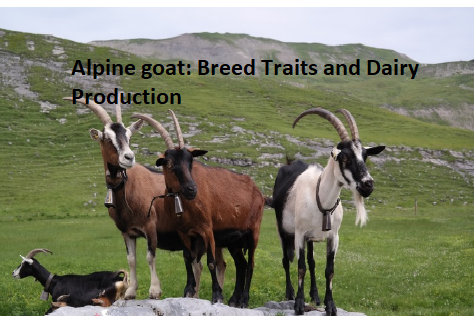
The Alpine goat stands out as one of the most productive dairy breeds in the world, prized by small-scale farmers and commercial operations alike for its consistent output. Originating from the French Alps, this breed has become a staple in modern agriculture due to its remarkable adaptability to varying climates and its steady temperament.
When evaluating an Alpine goat, the most critical factor for potential owners is its exceptional dairy performance. These animals are renowned for their ability to maintain high milk yields over long lactation cycles, often producing between 2,000 and 3,000 pounds of milk per year. This high volume, paired with a moderate butterfat content typically ranging from 3.0% to 3.5%, makes them an ideal choice for those focused on cheese production or fluid milk sales.
Origins and Breed Development
The history of the Alpine goat is rooted in the rugged terrain of the French Alps, where animals had to be both hardy and efficient to survive. Breeders in the region carefully selected for traits that allowed these goats to forage effectively on steep, rocky slopes while maintaining high milk production levels.
This selective breeding process eventually led to the stabilization of the breed standards we recognize today. The American Dairy Goat Association officially recognized the breed in the early 20th century, which helped solidify its reputation as a premier dairy animal. Their history is not just about survival; it is about the refinement of a biological machine designed to convert mountain forage into high-quality protein.
Physical Characteristics and Appearance
One of the most striking features of the Alpine goat is its lack of a single, uniform color pattern, which makes every individual distinct. Because they are a “no-disqualification” breed regarding coat color, you might find goats with solid colors, spotted patterns, or the classic “chamoisee” look.
Physically, these animals are defined by their alert, upright ears and a straight facial profile that gives them an intelligent, curious expression. They are medium to large in stature, with mature does typically weighing at least 135 pounds and bucks often exceeding 170 pounds. Their bone structure is lean and angular, which is a hallmark of high-producing dairy animals rather than those bred for meat.
Milk Quality and Yield Expectations
The primary reason farmers invest in this breed is the sheer consistency of their lactation. Unlike some smaller or more seasonal breeds, the Alpine goat is famous for its “long-lasting” production, meaning they don’t necessarily require a strict breeding cycle to keep milk flowing for extended periods.
Their milk is highly regarded for its clean, mild flavor, which is a significant advantage when marketing artisanal dairy products. Because the fat globules in goat milk are smaller than those in cow milk, it is often more easily digested by consumers, providing a competitive edge for small-scale dairies.
Comparative Dairy Performance
| Breed | Average Annual Yield (lbs) | Typical Butterfat % |
|---|---|---|
| Alpine | 2,500 | 3.2% |
| Nubian | 1,800 | 4.8% |
| Saanen | 2,600 | 3.1% |
| LaMancha | 2,100 | 3.9% |
Temperament and Handling
Managing an Alpine goat is generally considered a straightforward task, even for those new to livestock. They are known for being alert and active, which makes them easy to observe for health issues, but they are rarely aggressive toward their handlers.
Because they are highly curious, they do require secure fencing that can withstand a fair amount of exploration. They are social creatures that thrive in herds, so keeping a single goat is rarely recommended; they tend to be much calmer and more productive when they have companions to interact with throughout the day.
Nutritional Requirements for Production
To achieve the high production levels the breed is famous for, you must provide a balanced diet that includes both high-quality forage and supplemental grains. Because they are high-energy animals, they require access to clean, fresh water at all times to support their milk output.
High-quality alfalfa hay is often the gold standard for lactating does, as it provides the necessary protein and calcium levels required for sustained milking. For more information on maintaining herd health, you can consult the American Dairy Goat Association guidelines on breed standards and nutritional management.
- Provide free-choice high-quality hay at all times.
- Supplement with a balanced dairy ration during peak lactation.
- Ensure access to loose minerals, specifically copper and selenium, depending on your region.
- Maintain a consistent feeding schedule to minimize stress.
- Monitor body condition scores to prevent excessive weight loss after kidding.
Health and Maintenance Needs
The Alpine goat is generally robust, but like all dairy breeds, it requires preventative care to remain productive over many years. Regular hoof trimming is a non-negotiable aspect of their care, especially if they are kept on soft ground where their hooves do not naturally wear down.
Parasite management is another critical area where farmers must be proactive. Because they are grazers, they are susceptible to internal worms, particularly in humid climates, which necessitates a strategic deworming program based on fecal egg counts rather than arbitrary schedules.
Reproductive Cycles and Kidding
These goats are seasonal breeders, typically coming into heat as the days get shorter in the autumn months. This creates a natural cycle where most kidding occurs in the late winter or early spring, aligning with the start of the grazing season.
Producers often manage this cycle to ensure a steady supply of milk throughout the year by staggering the breeding dates of different does. A healthy doe will often produce twins or even triplets, which requires the farmer to be prepared for the increased nutritional demands of pregnancy and lactation.
Common Challenges in the Herd
Even with a healthy breed, you will face hurdles such as mastitis, which can quickly impact milk quality and production volumes. Keeping the milking parlor and the animals’ living quarters clean is the best defense against environmental bacteria.
Another challenge is the potential for nutritional imbalances, such as milk fever, which occurs when a doe cannot mobilize enough calcium for her milk production. Proper mineral supplementation and careful transition feeding before and after kidding are the standard methods to prevent these metabolic issues.
Frequently Asked Questions
What is the average lifespan of an Alpine goat?
In a well-managed dairy environment, these animals typically live between 8 and 12 years. Their productive lifespan in a commercial setting is often shorter, but they remain active and healthy well into their senior years with proper care.
Are they suitable for small urban farms?
While they are productive, their size and energy levels make them better suited for properties with enough room to forage. They require secure fencing and should not be kept in cramped urban quarters where they cannot move freely.
Do they need to be milked every day?
Yes, during their peak lactation period, these animals require consistent milking twice a day to maintain their health and production levels. Skipping milkings can lead to discomfort and a significant drop in future output.
Is their meat quality considered good?
While primarily bred for dairy, the wethers (castrated males) can produce lean, high-quality meat. However, they are not typically raised for this purpose compared to dedicated meat breeds like the Boer.
How cold-hardy are they?
They are quite adaptable and handle cold weather well, provided they have a dry, draft-free shelter. They are much more sensitive to dampness and humidity than they are to freezing temperatures.
Conclusion
Selecting an Alpine goat for your farm brings a reliable, high-producing animal into your operation that is well-suited for various climates. By focusing on proper nutrition, consistent handling, and proactive health management, you can maximize the dairy potential of these hardy animals. Whether you are aiming for artisanal cheese production or simply want a steady supply of high-quality milk for your family, this breed offers a proven path to success.
Their intelligence and steady temperament make them a pleasure to work with, provided you meet their fundamental needs. Start by sourcing quality stock from reputable breeders and you will find that the Alpine goat is a cornerstone of a successful small-scale dairy enterprise.
