

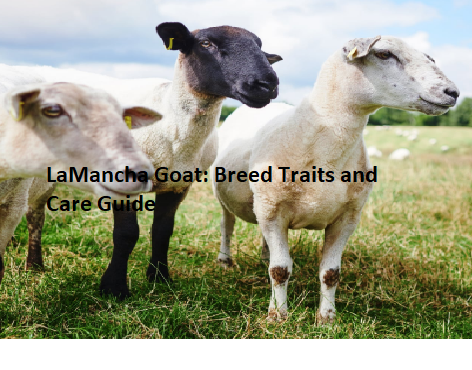
The LaMancha goat is a unique dairy breed instantly recognizable by its distinctively small or virtually absent external ears. Developed in the United States, this breed has gained a dedicated following among small-scale farmers and commercial dairies alike for its exceptional milk production and gentle temperament.
Understanding the specific requirements of this breed is essential for anyone considering adding these animals to their homestead or agricultural operation. This overview provides the technical details, care standards, and breed history necessary to successfully manage these productive dairy animals.
The Defining Characteristics of the LaMancha Goat
The most striking feature of the LaMancha goat is undoubtedly its ear structure, which is genetically distinct from all other dairy breeds. Breeders identify two specific types of ears: the “gopher” ear and the “elf” ear.
A gopher ear is essentially non-existent, often measuring only an inch in length with little to no cartilage. The elf ear is slightly longer, typically reaching a maximum of two inches, and may show some minor cartilage formation.
These ear types are not accidents or deformities; they are strictly defined by the American Dairy Goat Association breed standards. When selecting breeding stock, producers look for these specific features to ensure the animal conforms to breed purity. The lack of traditional ears does not impact the animal’s hearing, which remains just as acute as that of long-eared breeds.
Beyond their ears, these goats are known for their sturdy, straight-backed frames and excellent dairy conformation. They possess a calm, cooperative nature that makes them favorites for manual milking setups.
Their coat is typically short and fine, which helps them tolerate heat better than some thicker-coated breeds. A healthy adult doe usually stands at least 28 inches tall at the withers, while bucks are expected to be at least 30 inches tall.
Milk Production and Quality
The primary reason farmers choose the LaMancha goat is its outstanding milk production capability. These animals are prolific producers, often maintaining high yields throughout a long lactation cycle.
The milk itself is highly prized for its high butterfat content, which typically ranges between 3.9% and 4.5%. This density makes their milk ideal for crafting high-quality cheeses, yogurt, and butter.
Consistency is a hallmark of this breed, as many does produce between one and two gallons of milk daily during their peak. Unlike some high-production breeds that burn out quickly, these goats are known for their durability and sustained output over several years. Their calm demeanor also contributes to higher yields, as they are less prone to stress during the milking process.
When managing a herd, keeping accurate production records is critical for profitability. Farmers often track daily weight or volume to identify the most efficient milkers for future breeding programs. Because of the high protein and fat content, the milk is also exceptionally sweet and lacks the “goaty” flavor often associated with lower-quality milk from other breeds.
Breeding and Genetics
Success with the LaMancha goat requires a solid understanding of basic genetics, especially regarding the ear trait. Because the gopher ear is the preferred trait in the show ring, many breeders focus their efforts on maintaining that specific phenotype. It is important to note that breeding two gopher-eared parents does not guarantee offspring with the same ear type.
The genetics of the breed are complex, but the American Dairy Goat Association maintains rigorous registration standards to preserve the integrity of the lineage. Prospective owners should always verify the pedigree of any animal they intend to purchase. A well-documented history allows owners to predict potential milk production levels and temperament, which are both highly heritable traits.
When selecting a herd sire, focus on the dam’s production history and the buck’s overall conformation. A buck should exhibit strong dairy characteristics, such as a deep chest and a well-muscled hind end. Proper selection helps ensure that the offspring will be both productive and resilient.
Feeding and Nutritional Requirements
Providing a balanced diet is the cornerstone of maintaining a healthy and productive herd. These goats require high-quality forage, such as alfalfa or orchard grass hay, to support their metabolic needs. During the peak of lactation, does require a higher protein intake to sustain their milk production levels.
In addition to forage, a high-quality goat mineral supplement is essential to prevent deficiencies. Copper, selenium, and zinc are critical for immune function and overall vitality. Many farmers provide these minerals in a loose, free-choice form to ensure the goats can meet their individual needs throughout the day.
Water access is another non-negotiable aspect of their care. A lactating doe can consume several gallons of water per day, and restricted access will immediately impact milk output. Providing clean, fresh water at all times is the simplest way to improve the performance of your herd.
| Nutrient Category | Primary Source | Role in Health |
|---|---|---|
| Energy | High-quality hay/pasture | Maintains body condition |
| Protein | Alfalfa or grain mix | Supports milk production |
| Minerals | Loose salt/mineral mix | Supports immune function |
| Water | Clean, fresh supply | Regulates body temperature |
Common Health Challenges
Like all dairy animals, the LaMancha goat is susceptible to certain health issues that require proactive management. Parasite control is perhaps the most significant challenge for goat keepers, particularly in humid climates. Implementing a strategic deworming schedule based on FAMACHA scoring can help manage internal worm loads without contributing to chemical resistance.
Foot health is another critical area that requires regular attention. Hooves should be trimmed every six to eight weeks to prevent rot and structural issues. Neglected hooves can lead to lameness, which significantly reduces an animal’s ability to forage and its overall comfort level.
Respiratory issues can also occur, particularly if the housing is poorly ventilated or damp. Providing a dry, draft-free shelter that allows for adequate air circulation is essential for preventing pneumonia and other respiratory infections. Regular observation is the best tool for catching these issues early before they become severe.
* Consistent hoof trimming every two months
* Routine vaccination for tetanus and enterotoxemia
* Regular monitoring for internal parasites
* Provision of dry, draft-free sleeping quarters
* Access to clean, fresh drinking water at all times
Housing and Infrastructure Needs
Building appropriate housing for a LaMancha goat herd does not require expensive materials, but it does require thoughtful design. The structure must keep the animals dry and protected from the elements, as goats are notoriously averse to getting wet. A simple three-sided shed that faces away from the prevailing wind is often sufficient in mild climates.
Fencing is another crucial component of your infrastructure. Goats are intelligent and agile, often testing the limits of their enclosures. A woven wire fence at least 48 inches high is typically necessary to keep them secure and safe from local predators.
Inside the barn, providing elevated sleeping platforms can keep the goats off the cold, damp ground. These platforms also help keep the animals cleaner, which makes milking much easier. You can find detailed resources on building safe enclosures through the eXtension Foundation, which provides expert-reviewed agricultural information.
Handling and Temperament
The temperament of the LaMancha goat is one of its most endearing qualities, often described as affectionate and curious. They are social animals that thrive on human interaction and consistent routines. Regular handling from a young age ensures that the animals are comfortable during milking and medical checks.
Their intelligence makes them easy to train, but it also means they can become bored if not provided with enrichment. Simple items like wooden spools, sturdy ramps, or large rocks can provide the stimulation they need to stay happy. A happy goat is generally a more productive goat, so investing time in their social needs is a wise management strategy.
When introducing new members to the herd, always use a quarantine period to prevent the spread of disease. Gradual introductions allow the established hierarchy to adjust without unnecessary aggression. Patience during these transitions will save you significant stress in the long run.
Economic Considerations for Owners
For those looking to turn a profit, understanding the economics of goat dairying is essential. The primary revenue streams include selling raw or pasteurized milk, crafting artisan cheese, and selling breeding stock or kids. The market for goat milk products has grown steadily as more consumers seek out alternatives to cow milk.
Calculating the cost of production is vital for long-term viability. You must account for feed, veterinary care, registration fees, and infrastructure maintenance when setting prices for your products. Many successful operations find that value-added products, like aged cheeses or soaps, provide higher margins than selling raw milk alone.
Building a brand around your herd’s specific quality traits can help you command premium prices. Emphasizing the high butterfat content of the LaMancha goat can be a significant selling point for artisanal cheesemakers. Networking with other breeders and participating in regional agricultural events can also provide valuable market insights.
Frequently Asked Questions
Are LaMancha goats good to eat?
While primarily kept for dairy, they are a goat breed and can be used for meat production. Their growth rate is generally good, though they are not specifically bred for meat like the Boer goat.
Why don’t LaMancha goats have ears?
The unique ear structure is a genetic trait specific to the breed. It is not an injury or a birth defect, but rather a result of selective breeding that defines the standard for the breed.
How big do LaMancha goats get?
Adult does typically weigh between 130 and 150 pounds, while bucks can reach 160 pounds or more. Their height requirements are strictly regulated for show purposes.
Are they difficult to milk?
No, their calm temperament and the ease with which they can be handled often make them one of the easiest breeds to milk. Their udders are typically well-attached and easy to access, which simplifies the milking routine.
Can they live in cold climates?
They are quite adaptable and can handle cold weather if provided with a draft-free, dry shelter. Proper bedding is essential during winter months to keep them comfortable and healthy.
Conclusion
Selecting a LaMancha goat for your farm or homestead provides a reliable source of high-quality dairy while offering the companionship of a uniquely docile breed. Their success in a variety of climates and their impressive production efficiency make them a top choice for serious dairy enthusiasts. By focusing on proper nutrition, regular health maintenance, and consistent handling, you will be well-positioned to enjoy the many benefits this breed offers.
Investing the time to learn the specific needs of your animals ensures that your herd remains healthy and productive for years to come. If you are ready to start your journey, consider reaching out to local breed associations to connect with experienced breeders who can offer hands-on guidance and support.
