

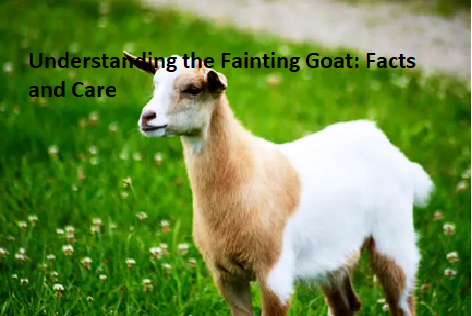
The fainting goat is a unique American breed known for its involuntary muscle stiffening when startled. While often associated with viral videos, these animals are actually a distinct breed with a rich history and specific care requirements that potential owners should understand before bringing one home.
The myotonic condition that defines a fainting goat is a hereditary genetic trait rather than a true faint. When the animal experiences a sudden fright or intense excitement, its muscles lock up for a period typically lasting between 5 and 20 seconds.
This reaction is caused by a condition called myotonia congenita, which prevents the muscles from relaxing immediately after contraction. Because the goat remains fully conscious and alert throughout the episode, it does not actually lose consciousness or experience a medical blackout.
The Science Behind the Myotonia
The physiological response in these goats involves the chloride channels in their muscle membranes. In a normal goat, electrical signals trigger muscle contraction and subsequent relaxation with ease.
In the fainting goat, the chloride channels do not function with the same efficiency, which delays the relaxation phase. This results in the characteristic stiffening of the limbs, causing the animal to fall over if it is standing on uneven ground or walking quickly.
It is a common misconception that the animal feels pain or distress during these episodes. Veterinary research suggests that the experience is similar to a human experiencing a cramp or a “charley horse” rather than a traumatic event.
Once the muscle fibers finally receive the signal to relax, the goat simply stands back up and continues its day as if nothing happened. They do not suffer from long-term neurological damage because of this genetic quirk.
Historical Origins of the Breed
The origins of the fainting goat trace back to the 1880s in Marshall County, Tennessee. A local farmer named John Tinsley reportedly brought a few of these unique animals to the area, though their exact ancestry remains a subject of historical debate. Some researchers believe they were a cross between various meat goat breeds, while others suggest they were a localized mutation that was selectively bred for their docile nature.
Because these goats do not run away when startled, they were historically easier to manage in small farm settings. Farmers found that they were less likely to jump fences or wander off compared to more skittish breeds.
This temperament, combined with their sturdy build, made them a practical choice for smallholders who needed a reliable meat or brush-clearing animal. Today, they are recognized by the Myotonic Goat Registry and are kept primarily as pets or for show.
Typical Costs and Market Value
Purchasing a fainting goat involves several variables that influence the final price. You can expect to pay anywhere from $200 to $600 for a healthy kid, depending on the pedigree and the reputation of the breeder. High-quality breeding stock with registered papers will naturally command a higher price than a goat intended solely as a backyard pet.
Budgeting for these animals requires considering more than just the initial purchase price. You must account for ongoing maintenance, including housing, feed, and routine veterinary care. The following table provides an estimated breakdown of the annual costs associated with keeping two goats in a domestic setting.
| Expense Category | Estimated Annual Cost |
|---|---|
| Quality Hay and Forage | $350 – $450 |
| Routine Vaccinations | $60 – $100 |
| Hoof Trimming Tools | $30 – $50 |
| Mineral Supplements | $40 – $70 |
Essential Care and Housing Requirements
Providing a safe environment is the most important aspect of owning a fainting goat. Because they are prone to falling, their enclosure must be free of steep drops, sharp rocks, or deep water features where they could become stuck during a stiffening episode. Flat, grassy paddocks are ideal for their safety and comfort.
Fencing should be sturdy and tall enough to prevent them from climbing, though they are generally less active jumpers than other breeds. Ensure that the fencing material does not have large gaps where a goat could get its head or legs caught. A dry, draft-free shelter is also mandatory to protect them from extreme weather conditions, as they can be susceptible to pneumonia if left in damp, cold environments.
Dietary Needs and Nutritional Balance
A balanced diet is the cornerstone of a healthy herd. These goats are ruminants that thrive on high-quality grass hay and clean, fresh water. Access to a mineral block designed specifically for goats is essential, as standard cattle minerals often lack the necessary copper levels required to maintain their health.
Avoid overfeeding grain, as it can lead to obesity and metabolic issues in animals that are not working on a farm. Instead, rely on browse, which includes shrubs, bushes, and weeds.
Goats are natural browsers and will help clear unwanted vegetation from your property if given the chance. Always consult with a local veterinarian to tailor a feeding plan based on your specific climate and the goat’s age.
Social Behavior and Herd Dynamics
Goats are inherently social creatures and should never be kept in total isolation. Keeping a single goat is considered cruel by most animal welfare standards, as they require the companionship of their own kind to remain calm and happy. A pair of goats is the minimum recommended group size for any backyard owner.
They often form strong bonds with their human handlers if socialized from a young age. Many owners find that their goats follow them around the yard, responding to their names much like a dog would. While they do have their “fainting” moments, they are generally curious, intelligent, and affectionate animals that enjoy human interaction and structured playtime.
Common Health Concerns
While the myotonic condition is not a disease, these goats are susceptible to the same health issues as any other caprine breed. Internal parasites, such as stomach worms, represent the most significant threat to their longevity. Regular fecal testing and a deworming schedule developed by a professional are necessary to prevent infestations.
Foot rot is another common issue, especially in wetter climates. Consistent hoof care, including trimming every 6 to 8 weeks, helps prevent bacterial growth and discomfort. You can learn more about managing these health requirements through resources like the University of Maryland Extension small ruminant guide, which provides evidence-based advice for herd management.
Training and Enrichment Activities
Training a goat is surprisingly effective because they are food-motivated and eager to please. You can teach them to walk on a lead, stand for hoof trimming, or even perform basic tricks with positive reinforcement. Using small treats like dried cranberries or specialized goat pellets works wonders during training sessions.
Enrichment is equally vital to keep their minds active. Providing climbing structures like sturdy wooden platforms, stumps, or large rocks allows them to explore their natural instincts to climb and survey their surroundings. A bored goat is more likely to become destructive or develop behavioral issues, so rotating their toys and changing their grazing areas frequently helps maintain their interest and physical condition.
Frequently Asked Questions
What exactly causes a goat to faint?
The fainting is caused by a genetic condition called myotonia congenita. It results in a temporary delay in muscle relaxation after a sudden stimulus, causing the animal to stiffen and fall over.
Is it painful for the goat to stiffen up?
No, there is no evidence that the event is painful for the animal. It is a temporary physiological reaction that does not involve loss of consciousness or long-term physical trauma.
How much space do I need for two goats?
A minimum of 1/4 to 1/2 an acre is recommended for two goats to have enough room to browse and exercise comfortably. The space must be well-fenced and free of hazards that could cause injury during a fall.
Can these goats live with other farm animals?
Yes, they generally get along well with horses, donkeys, and other non-aggressive livestock. However, you should monitor them during feeding times to ensure they are not being bullied by larger or more assertive animals.
Are they good pets for children?
They are often gentle and make good pets for older children who understand how to handle animals with care. Because of their size and tendency to fall, very small children should always be supervised when interacting with them.
Conclusion
The fainting goat is a fascinating breed that brings joy to many small farms and homesteads. While their unique reaction to excitement is their most famous trait, their true value lies in their gentle temperament and manageable size. By providing a safe environment with proper fencing and consistent veterinary care, you can enjoy these animals for many years to come.
Whether you are interested in them for their history, their utility in clearing brush, or simply as companions, preparation remains key. Research your local zoning laws before bringing a fainting goat onto your property to ensure you are compliant with all regulations. With the right commitment, you will find that these animals are a rewarding addition to any rural or semi-rural lifestyle.
