

Identifying the most profitable goat breed depends entirely on your local market, available infrastructure, and whether you intend to focus on dairy, meat, or fiber production. While many hobbyists choose goats for companionship or brush control, those seeking a return on investment must treat their herd as a commercial enterprise.
The Boer goat is widely considered the most profitable goat breed for meat production due to its rapid growth rates and high dressing percentage. However, if you have access to a sophisticated culinary market, dairy breeds like the Alpine or Saanen might offer higher margins through artisan cheese and fluid milk sales.
The Boer Goat: The Gold Standard for Meat
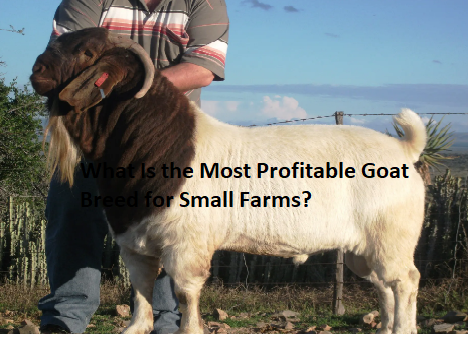
The Boer goat is the undisputed leader for meat production across most of the United States and international markets. Originating from South Africa, this breed was specifically selected for its ability to convert forage into muscle mass efficiently. Commercial producers prioritize Boers because they reach market weight faster than almost any other breed, often hitting 80 to 100 pounds in just a few months.
Their sturdy constitution and disease resistance make them a reliable choice for farmers who are just starting out. Unlike some fragile dairy breeds, Boers are hardy and capable of thriving in varied climates if they have adequate shelter. The high demand for their meat, particularly in ethnic markets that prize fresh, high-quality chevon, ensures a consistent cash flow.
Dairy Goats and the Artisan Cheese Market
If you are looking for the most profitable goat breed in the dairy sector, the Saanen and Alpine breeds are the top contenders. Saanens are often called the “Holstein of the goat world” because of their impressive milk volume. They are capable of producing one to three gallons of milk per day during their peak lactation cycle.
Alpines are equally prized for their hardiness and consistent production levels throughout the year. The profitability of these animals is tied to your ability to process their milk into high-value products like chèvre, feta, or aged hard cheeses. Selling raw milk is often restricted by state regulations, so investing in a creamery or a licensed kitchen is usually necessary to unlock the full financial potential of these breeds.
Fiber Breeds: Niche but Lucrative
Angora and Cashmere goats serve a different segment of the agricultural market by producing high-quality fiber. While they are not as common as meat or dairy breeds, they can be highly lucrative if you target the luxury textile industry. The value of their fleece is determined by its fineness, length, and lack of contamination.
Managing these breeds requires a higher level of technical skill regarding animal husbandry and grooming. You must keep their coats clean and free of burrs to ensure the fiber retains its market value. While the labor input is higher, the price per pound for premium kid mohair or high-grade cashmere can significantly outperform meat prices.
Comparing Production Metrics
To understand why one breed might be more profitable than another, it is helpful to look at the primary economic drivers for each category. Meat goats are sold by weight, dairy goats are sold by volume, and fiber goats are sold by the quality of their clip.
| Breed Category | Primary Revenue Source | Market Strategy | Estimated ROI Speed |
|---|---|---|---|
| Boer (Meat) | Live weight or carcass | High-volume sales | Fast (4-6 months) |
| Saanen (Dairy) | Milk and cheese | Value-added products | Moderate (Daily cash) |
| Angora (Fiber) | Raw fleece/yarn | Artisan/Luxury market | Slow (Annual harvest) |
Operational Costs and Overhead
Profitability is not just about revenue; it is about managing the inputs that eat into your margins. Feed costs often account for 60% to 70% of total operating expenses on a small goat farm. Selecting a breed that thrives on your specific pasture quality can drastically reduce your dependency on expensive grain supplements.
Housing and fencing requirements also differ by breed. Dairy goats require a clean, sanitary milking parlor that meets health department standards, which is a significant upfront capital expense.
Meat goats generally require less infrastructure but still need secure fencing to prevent predation and keep the herd contained. You should consult the USDA National Agricultural Statistics Service to analyze local census data and current market pricing trends in your specific region.
Marketing Your Goat Products
Your choice of breed matters little if you do not have a defined sales channel for your output. For meat producers, developing relationships with local butchers or direct-to-consumer buyers at farmers’ markets is essential. Many farmers find that selling “on the hoof” to ethnic communities during specific religious holidays provides the highest price per animal.
Dairy farmers must focus on branding their farm and creating a story around their products. Artisan cheese is a premium product, and customers are often willing to pay a high price for farm-stead goods that are produced sustainably. If you focus on fiber, you must build a network of hand-spinners and weavers who value the specific characteristics of your herd’s fleece.
Managing Herd Health for Maximum Returns
Disease outbreaks are the fastest way to destroy the profitability of any goat enterprise. Parasite management, particularly the control of the barber pole worm, is the single greatest challenge for goat farmers in humid environments. Establishing a strict deworming schedule and practicing rotational grazing can save you thousands of dollars in veterinary bills.
Keeping accurate records on every doe is non-negotiable for a profitable operation. You should track birth weights, weaning weights, milk production per lactation, and any health interventions. If a specific doe consistently produces low-quality offspring or low milk volume, she must be culled from the herd to maintain your overall profit margins.
Future Trends in the Goat Industry
The demand for goat meat in the United States has been steadily increasing over the last two decades. As demographics shift and ethnic markets grow, the competition for high-quality, locally raised meat is rising. This trend suggests that the most profitable goat breed for the next decade will likely be one that balances fast growth with a high carcass yield.
Simultaneously, the “farm-to-table” movement continues to support the growth of small-scale dairy operations. Consumers are increasingly interested in the health benefits of goat milk, which is often easier to digest than cow milk. Investing in breeds that offer a dual-purpose potential—such as Kiko goats, which are meat-oriented but also hardy and good mothers—could offer a hedge against market volatility.
Frequently Asked Questions
How much space do I need for a profitable herd?
You generally need about one acre of land for every six to eight goats, depending on the quality of your forage. If you are keeping them in dry lot conditions, you will need more space to ensure they have room to move and to prevent the buildup of parasites.
Is it better to start with kids or adults?
Starting with proven, mature does is usually more profitable because you can see their production history and temperament immediately. Buying kids is cheaper upfront, but you have to wait at least a year before you see any return on your investment, and you take a risk on their future performance.
How often should I rotate my pastures?
You should move goats to fresh pasture every three to seven days during the growing season. This prevents them from grazing too close to the ground, where parasite larvae are most concentrated, and keeps the forage in a high-growth vegetative state.
What is the most expensive part of starting a goat farm?
Fencing is almost always the highest initial cost for a new goat farmer. Goats are notorious for escaping, so you need high-tensile woven wire fencing that is at least 48 inches high to keep them in and predators out.
Can I mix meat and dairy breeds?
You can, but it is generally not recommended if you are trying to maximize profit. Maintaining two separate systems—one for milking and one for meat production—doubles your equipment needs, labor requirements, and record-keeping complexity.
Conclusion
Choosing the most profitable goat breed requires you to match the animal’s natural strengths with your specific business goals and local market opportunities. Whether you find success in the fast growth rates of the Boer or the high-volume milk production of the Saanen, the key to profitability remains consistent management. You must prioritize animal health, control your input costs, and secure reliable sales channels to ensure your farm remains viable over the long term.
Start small, track your data carefully, and scale your herd only when your production metrics justify the expansion. Success in this industry is built on patience and the ability to adapt to the changing needs of your customers.
