

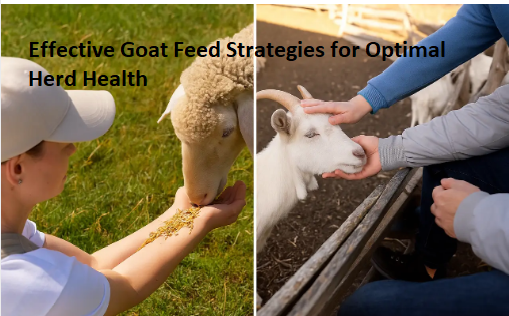
Choosing the right goat feed is the most critical factor in maintaining a productive and healthy herd. Understanding the specific nutritional requirements of your animals ensures they grow properly, produce high-quality milk, and remain resistant to common diseases.
Selecting an appropriate diet requires balancing forage, supplemental grains, minerals, and clean water. If you get these proportions wrong, you risk metabolic issues like urinary calculi or pregnancy toxemia. This guide breaks down the science of feeding goats to help you make informed decisions for your farm.
Nutritional Requirements for Healthy Goats
Goats are ruminants with a complex four-compartment stomach designed for browsing rather than just grazing. They require a high-fiber diet consisting primarily of forage, such as pasture grass, weeds, and hay. Fiber makes up about 70% to 80% of a healthy goat’s daily intake to ensure proper rumen function.
Protein is the second most critical component, especially for growing kids and lactating does. You should aim for a crude protein level between 12% and 16% depending on the animal’s life stage. Energy requirements also fluctuate, with cold weather or heavy milk production necessitating more calorie-dense options.
Minerals are often overlooked but are essential for metabolic processes and skeletal development. Goats specifically need a balanced ratio of calcium to phosphorus, typically 2:1, to prevent bladder stones. Always provide a loose mineral mix specifically formulated for goats rather than sheep, as sheep-specific minerals can be toxic due to copper levels.
The Role of Forage and Hay
Forage is the foundation of any sound nutritional program. Goats are natural browsers, meaning they prefer eating leaves, shrubs, and brush over short grass. If your pasture lacks variety, you must compensate with high-quality hay to maintain energy levels.
Alfalfa is widely considered the gold standard for dairy goats because of its high calcium and protein content. Grass hay, such as orchard grass or timothy, works well for dry does or bucks who do not need the extra protein boost. Avoid feeding dusty or moldy hay, as it can cause respiratory issues and digestive upset.
You can assess your forage quality by checking for leafiness and lack of seed heads. Hay that is cut early in the season generally holds more nutrients than late-cut stalks. If you rely on pasture, rotate your goats through different paddocks to prevent overgrazing and reduce the internal parasite load.
Supplementing with Grains and Concentrates
Many owners believe they must provide grain daily, but this is often unnecessary for pets or dry animals. Grain should be viewed as a tool to support heavy lactation, rapid growth, or weight gain during winter. Overfeeding concentrates leads to obesity and significant health complications.
When you do feed grain, choose a texture that is easy for the goat to digest. Textured feeds, which include whole or rolled grains, are often more palatable than pelleted forms. Always introduce new grain sources gradually over a week to prevent rumen acidosis.
Check the labels on commercial mixes to ensure they don’t contain urea, which goats cannot utilize effectively. Look for a mix that provides a balance of energy and fiber. If you are mixing your own, oats and barley are excellent base ingredients for most herds.
Understanding Mineral and Vitamin Needs
Goats have very specific mineral requirements that vary by region and soil type. Copper, selenium, and zinc are the most common deficiencies found in grazing goats. You should provide a loose mineral feeder that is accessible to the herd at all times.
Some owners prefer to use mineral blocks, but these can be difficult for goats to consume in sufficient quantities. Because goats have rough tongues, they often don’t get enough material from a hard block. A loose, granular mix is significantly more effective for ensuring they meet their daily intake goals.
Vitamin A, D, and E are also vital for immune support. While these are usually present in green forage, they degrade quickly in stored hay. If your goats are kept indoors or on dry lots for long periods, consider adding a vitamin supplement to their water or feed.
Water Consumption and Hydration
Water is the most important nutrient, yet it is frequently the most neglected aspect of goat care. A lactating doe can consume up to 3 to 5 gallons of water per day depending on the temperature and milk yield. Dehydration leads to reduced feed intake and decreased milk production almost immediately.
Cleanliness is paramount, as goats are notoriously picky about their water sources. If the trough is dirty or contains algae, they will drink significantly less. Scrub your water containers weekly to prevent the buildup of bacteria and biofilm.
In the winter, water temperature matters more than many realize. Goats are reluctant to drink freezing water, which can lead to impaction colic. Using a tank heater to keep the water temperature above 45 degrees Fahrenheit encourages consistent consumption during cold months.
Comparing Dietary Needs by Life Stage
Different goats within your herd require different nutritional strategies. A high-protein diet that helps a growing kid will cause a sedentary buck to become overweight. You must group your animals by their nutritional needs whenever possible.
| Goat Life Stage | Primary Focus | Protein Requirement |
|---|---|---|
| Lactating Doe | High Energy & Calcium | 16% – 18% |
| Growing Kid | Protein & Minerals | 16% |
| Dry Doe | Maintenance | 12% |
| Mature Buck | Fiber & Maintenance | 10% – 12% |
Adjust these percentages based on the body condition score of each animal. If a goat is losing weight, increase the calorie density of their ration. If they are becoming too round, pull back on the concentrates and focus on quality hay.
Foods to Avoid in the Goat Diet
While goats are famous for eating anything, they are actually sensitive animals with delicate digestive systems. Many common household items or garden plants can be fatal. Never allow your herd access to ornamental plants like azaleas, rhododendrons, or yew bushes.
Avoid feeding large amounts of kitchen scraps, especially those high in sugar or starch. Bread, potatoes, and onions can cause significant digestive distress. Potatoes, in particular, contain solanine, which is toxic to most ruminants if ingested in large quantities.
Be cautious with commercial feeds designed for other livestock, such as cattle or horses. These feeds often contain additives or medication levels that are unsafe for goats.
Always stick to products specifically labeled for caprine use to ensure safety. You can learn more about safe grazing practices through the Extension Foundation resources on small ruminant nutrition.
Common Questions About Feeding Goats
What is the best thing to feed a goat?
The best diet for any goat is high-quality forage, such as clean grass or alfalfa hay, supplemented with a loose mineral mix. This mimics their natural browsing behavior and provides the necessary fiber for rumen health. Grains should only be used as a supplement for specific life stages like lactation or growth.
Do goats need grain every day?
No, most adult goats do not require grain daily if they have access to quality pasture or hay. Grain is a high-energy concentrate intended for animals with high metabolic demands, such as pregnant or nursing does. Feeding grain to inactive goats often leads to obesity and associated health problems.
How can I tell if my goat is getting enough nutrients?
The best indicator is the body condition score. You should be able to feel the ribs and spine, but they should be covered by a thin layer of flesh rather than protruding sharply. A healthy coat, clear eyes, and consistent milk production are also excellent signs that your current feeding program is working.
Why is my goat refusing to eat its feed?
Sudden changes in feed, moldy hay, or dirty water are the most common reasons for refusal. However, it can also be a sign of illness or a heavy parasite load. If your goat stops eating, check their temperature and look for other signs of distress like lethargy or teeth grinding.
Is it safe to let goats eat weeds in the yard?
Yes, goats are excellent at clearing brush and weeds, which they often prefer over grass. However, ensure the area has not been treated with pesticides or herbicides recently. Also, double-check that no toxic ornamental plants are present in the area before turning them out to browse.
Conclusion
Managing your goat feed strategy requires a balance of observation and science. By focusing on high-quality forage as the primary source of fiber, you provide the essential foundation for a healthy digestive system. Supplementing with minerals and controlled amounts of grain ensures that each goat meets its specific metabolic needs throughout the year.
Always remember that consistency is key to avoiding digestive upsets. Any changes to the diet should be introduced gradually to allow the rumen flora to adapt. Keep a close watch on your herd’s body condition and adjust your rations accordingly.
With a thoughtful approach to nutrition, you will see the results in the vitality, growth, and overall productivity of your goats. Take the time to monitor their intake daily, and you will build a resilient and thriving herd.
