

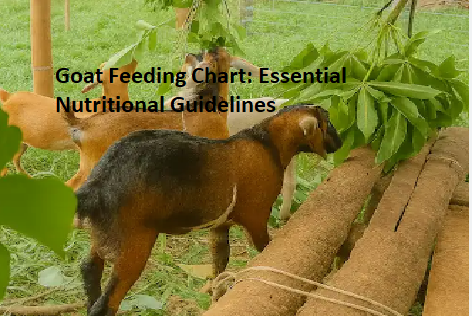
Managing your livestock’s diet effectively requires a reliable goat feeding chart to ensure every animal receives the correct balance of forage, energy, and minerals. Understanding these requirements prevents common metabolic issues while promoting steady growth and optimal milk production. By tracking intake based on weight and life stage, you create a sustainable system that keeps your herd healthy throughout the changing seasons.
Daily Intake Requirements
Most adult goats require approximately 2% to 4% of their body weight in dry matter intake daily.
A standard 150-pound goat generally consumes between 3 and 6 pounds of forage every single day. If you are providing supplemental grain, this amount must be carefully calculated to avoid acidosis or obesity. Always prioritize high-quality hay or pasture as the foundation of your feeding strategy.
The specific amount of feed depends heavily on the goat’s current physiological state. A dry, non-lactating doe needs significantly less energy than a high-producing dairy goat in peak lactation. Use the following table as a general reference for daily dry matter requirements based on activity levels.
| Goat Category | Daily Dry Matter Intake (% of Body Weight) |
|---|---|
| Maintenance (Dry Doe/Buck) | 2.0% – 2.5% |
| Late Gestation | 3.0% – 3.5% |
| Early Lactation | 3.5% – 4.5% |
| Growing Kids | 3.0% – 4.0% |
Forage: The Foundation of Diet
Forage should represent the vast majority of your goat’s diet, ideally consisting of grass hay, legume hay, or browse. Goats are natural browsers, meaning they prefer to eat leaves, shrubs, and weeds over simple grass. High-quality alfalfa is an excellent source of protein and calcium for lactating does and growing kids. However, be cautious with alfalfa for wethers, as the high calcium content can contribute to urinary calculi.
If you are grazing your animals, ensure the pasture is free of toxic plants like rhododendron or wild cherry. Monitor the height of the grass to prevent overgrazing, which often leads to parasite issues. Rotational grazing is the gold standard for maintaining pasture health and ensuring consistent nutritional intake.
Aim to move goats to fresh paddocks before they graze the plants down to the soil.
The Role of Supplemental Grains
Grain is not a mandatory part of every goat’s diet, but it is necessary for high-production scenarios. You should only offer grain when forage quality is insufficient or when the goat’s energy demands exceed what fiber can provide.
Never exceed 1 pound of grain per 100 pounds of body weight in a single feeding. Rapid consumption of high-starch grains can lead to bloat or enterotoxemia.
Always choose a feed specifically formulated for goats rather than general livestock feed. Sheep-specific minerals can be toxic to goats, and cattle feed often lacks the necessary copper levels. Check the label for a balanced copper-to-molybdenum ratio.
If you notice your goats getting fat, reduce the grain immediately and increase their exercise or forage access.
Mineral and Vitamin Supplementation
Goats require a specialized loose mineral mix rather than a salt block. Salt blocks are often too hard for goats to get adequate intake, leading to mineral deficiencies.
Place the mineral feeder in a dry, covered area to prevent clumping and waste. Ensure they have access to this mix 24 hours a day, as they will self-regulate based on their body’s immediate needs.
Specific deficiencies, particularly in selenium and copper, are common in many regions. If your area is known for soil-based deficiencies, you may need a specialized bolus or an injectable supplement. Consult with a local veterinarian to perform a blood panel if you suspect your herd is lacking specific micronutrients.
Proper mineral balance is a direct factor in reproductive success and immune system resilience.
Water Requirements for Health
Water is the most important nutrient in your goat feeding chart, yet it is often the most overlooked. A lactating doe can drink up to 3 to 5 gallons of water per day depending on the temperature.
If the water is dirty or unpalatable, the goat will reduce its intake, which subsequently causes a drop in feed consumption. Clean your water troughs at least twice a week to prevent the buildup of algae and bacteria.
In the winter, heated water buckets are a vital investment for northern climates. Goats are reluctant to drink ice-cold water, and dehydration in winter can lead to severe impaction colic. Ensure that every pen or pasture has a reliable, accessible water source that remains unfrozen.
A goat that is well-hydrated will maintain a better body condition score throughout the coldest months.
Feeding Schedules and Consistency
Goats are creatures of habit and thrive on a consistent feeding routine. If you provide grain, feed it at the same time every morning and evening.
Sudden changes in the type of hay or grain can upset the delicate balance of the rumen. If you must change their feed, transition them slowly over a period of seven to ten days.
Observe your goats during feeding times to identify any animals that are being bullied away from the trough. If you have a large herd, ensure there is enough linear space for all goats to eat simultaneously. This prevents the weaker animals from missing out on the grain portion of their diet.
Proper spacing reduces stress and ensures that your herd remains uniform in growth.
Common Feeding Mistakes to Avoid
One of the most frequent errors is overfeeding grain, which turns a healthy goat into a metabolic liability. Another mistake is feeding moldy hay, which can cause listeriosis, a deadly neurological condition.
If hay has been stored in a damp barn, inspect it thoroughly before tossing it to the herd. Never feed lawn clippings, as they can ferment rapidly and cause fatal bloat in a matter of hours.
You should also be mindful of the physical form of your feed. Pelleted feed is generally better than loose sweet feed because it prevents selective eating. When goats can pick out the “good” parts of a mix, they don’t get the balanced nutrients intended by the manufacturer.
Stick to a high-quality pellet to ensure every mouthful provides a complete nutritional profile.
Managing Different Life Stages
Feeding a buck requires a different approach than feeding a doe that is currently nursing triplets. Bucks generally need less protein and energy once they reach maturity.
Conversely, a doe in late gestation needs a higher level of nutrition to support the rapid growth of her kids. You can find detailed research on these specific requirements through the University of Maryland Extension, which offers extensive resources on small ruminant management.
* Kids (0-3 months): Focus on high-quality colostrum and access to creep feed.
* Yearlings: Require steady growth rations to reach breeding weight.
* Lactating Does: Need high-protein forage and supplemental energy.
* Dry Does: Maintain on good forage with minimal or no grain.
* Bucks: Monitor body condition closely to prevent obesity.
Frequently Asked Questions How much grain should I feed my goat daily?
Most goats do not need grain if they have access to high-quality forage. If you are milking or finishing them, limit grain to no more than 0.5 to 1 pound per 100 pounds of body weight.
Why is my goat refusing to eat hay?
A goat might refuse hay if it is moldy, dusty, or has been contaminated by urine. They are very sensitive to smell and will reject forage that has been stepped on or fouled.
Can I feed my goats kitchen scraps?
Avoid most kitchen scraps, as they can cause digestive upset.
You can safely feed small amounts of vegetable trimmings, but never give them onions, chocolate, or nightshade plants like potatoes and tomatoes.
How do I know if my goat is too thin?
Use the body condition scoring system to feel the spine and ribs. If the spine feels sharp and the ribs are easily visible, your goat is likely underweight and needs more energy-dense forage.
Is it necessary to supplement copper?
Copper is essential for goats, but it can be toxic in high doses. Always use a mineral mix specifically designed for goats to ensure the ratio is safe for their unique metabolism.
Closing Thoughts
Maintaining a consistent approach to your herd’s nutrition is the most effective way to ensure longevity and productivity.
By following a structured goat feeding chart, you remove the guesswork from your daily chores and provide your animals with exactly what they need to thrive. Remember that every goat is an individual, so keep a close eye on body condition and adjust your rations as the seasons shift.
Proper management of feed, water, and minerals creates a stable environment that supports healthy growth, strong immune systems, and successful kidding seasons. Keep your records updated and don’t hesitate to consult with a veterinarian if you notice unexpected changes in your goats’ health or appetite.
