

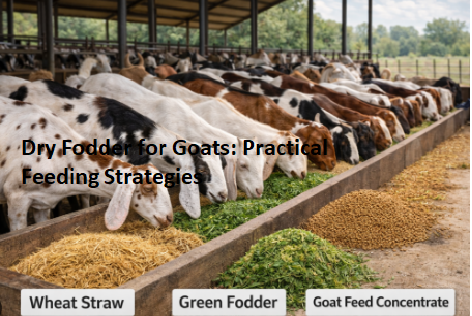
Providing adequate dry fodder for goats is essential for maintaining digestive health and ensuring consistent weight gain throughout the year. While fresh pasture is often ideal, reliance on preserved roughage becomes a necessity during winter months or periods of drought. Understanding the specific nutritional requirements of your herd will help you select the most effective sources of dry feed to keep your animals thriving.
The primary requirement for a healthy adult goat is consuming approximately 2% to 4% of its body weight in dry matter daily. For a standard 150-pound goat, this equates to roughly 3 to 6 pounds of dry feed per day.
This intake must balance fiber, protein, and energy to prevent metabolic issues like acidosis or bloat. If you are managing a dairy herd or growing kids, these requirements shift toward higher protein concentrations to support milk production and skeletal development.
Nutritional Composition of Common Forages
Dry fodder for goats typically consists of various hay types, which serve as the backbone of the diet when grazing is unavailable. Alfalfa hay is frequently cited as the gold standard because of its high protein content and calcium levels. It provides the necessary building blocks for muscle tissue and milk synthesis, making it highly valuable for lactating does.
Grass hays, such as Timothy or orchard grass, offer a different nutritional profile that is often better suited for dry does or bucks. These hays provide the essential long-stem fiber required to keep the rumen functioning correctly without the excess protein found in legumes. Overfeeding alfalfa to non-lactating goats can lead to urinary calculi, particularly in males, making grass hay a safer, more balanced choice for maintenance.
| Fodder Type | Crude Protein (%) | Primary Use |
|---|---|---|
| Alfalfa Hay | 15% – 18% | Lactating does, growing kids |
| Timothy Hay | 8% – 10% | Maintenance, dry does, bucks |
| Oat Straw | 4% – 6% | Fiber filler, bedding |
| Clover Hay | 12% – 14% | Energy-dense supplement |
Managing Fiber Content and Rumen Health
Goats are ruminants, meaning they rely on a complex fermentation process to break down plant material. Dry fodder must contain sufficient “scratch factor”—the physical structure of the fiber—to stimulate the rumen lining and promote consistent cud chewing. When you feed fine, dusty, or overly processed hay, goats may experience reduced saliva production, which can lead to a drop in rumen pH.
Always test your hay for quality before committing to large purchases. You are looking for a bright green color, a pleasant, sweet smell, and a lack of mold or excessive dust.
Moldy hay can cause severe respiratory issues and may contain mycotoxins that are toxic to goats. For more detailed guidance on forage analysis, you can consult the Penn State Extension resources on goat nutrition to ensure your herd’s specific needs are met.
Seasonal Feeding Adjustments
The nutritional demands placed on your herd change significantly with the seasons. During the winter, metabolic demands increase as goats use more energy just to maintain their body temperature. You should increase the total volume of dry fodder provided during cold snaps to account for this higher energy burn.
Summer, conversely, might see a decrease in hay consumption if your goats have access to quality browse or pasture. However, relying solely on pasture can be risky if the grass is sparse or of poor quality. Supplementing with a small amount of dry hay even during the growing season can help stabilize the rumen and prevent the sudden dietary changes that often lead to digestive upset.
Storage and Preservation Techniques
Proper storage of dry fodder is just as important as the quality of the hay you purchase. Moisture is the enemy of all stored roughage, as it encourages the growth of mold and bacteria. Store your hay in a well-ventilated, dry barn or shed, ideally on wooden pallets to allow for airflow underneath the bales.
If you must store hay outside, use a tarp or a waterproof cover that allows for some ventilation. Covering the sides completely can trap humidity, which creates a greenhouse effect that degrades the hay quality rapidly. Always rotate your inventory by using older bales first to ensure you are not leaving feed to sit for multiple seasons.
The Role of Supplements
While high-quality dry fodder for goats provides the bulk of their energy, it rarely meets all mineral requirements. Goats are notorious for being sensitive to mineral imbalances, particularly regarding copper, selenium, and zinc levels. You must provide a loose, goat-specific mineral mix at all times to prevent deficiencies that manifest as poor coat quality or reproductive failure.
Never assume that a standard cattle or sheep mineral is sufficient, as these can contain levels of copper that are toxic to sheep or insufficient for goat health. Monitor your herd for signs of mineral deficiency, such as “fish tail” hair loss or lethargy. A consistent intake of high-quality mineral supplements will maximize the benefits of the forage you are feeding.
Avoiding Common Feeding Mistakes
One of the most frequent errors is feeding goats hay that has been contaminated with weeds or poisonous plants. Even if the hay looks clean, small amounts of toxic weeds can accumulate in the rumen and cause long-term health issues. Always inspect a bale before breaking it open and, if you see unusual seed heads or strange-looking leaves, set it aside.
Another mistake is providing too much grain alongside poor-quality dry fodder. Owners often try to compensate for low-quality hay by dumping extra grain into the feeder. This practice is dangerous because it can cause the goat to stop eating the necessary fiber, leading to a cascade of digestive problems including acidosis and laminitis.
Budgeting for Feed Costs
Calculating the cost of dry fodder requires looking at more than just the price per bale. You must factor in waste, which can be significant if you do not use a proper hay feeder. Goats are naturally picky eaters and will trample perfectly good hay if it is left on the ground, leading to up to 30% waste.
Investing in a wall-mounted or raised feeder will pay for itself within a few months by reducing this waste. Keep a log of how many bales you use per week to help estimate your winter costs ahead of time. Purchasing your hay directly from local farmers during the harvest season is usually more economical than buying it from feed stores in the middle of winter.
Frequently Asked Questions
How much dry matter does a goat need per day?
A goat generally requires between 2% and 4% of its body weight in dry matter daily. For an average 150-pound goat, this typically translates to 3 to 6 pounds of hay.
Which fodder is best for goats?
Alfalfa is widely considered the best fodder for lactating does due to its high protein and mineral content. For maintenance animals, a high-quality grass hay is usually preferred to prevent weight gain and mineral imbalances.
What should not be fed to goats?
Avoid feeding goats anything moldy, dusty, or contaminated with toxic weeds like nightshade or wilted cherry leaves. You should also steer clear of lawn clippings, which can ferment rapidly and cause bloat.
How do I know if my hay is good quality?
High-quality hay should be soft to the touch, bright green, and smell fresh rather than musty or sour. Avoid bales that feel heavy or damp, as these are likely to harbor mold.
Can I feed my goats straw instead of hay?
Straw is primarily a source of fiber and lacks the necessary protein and energy for a goat’s primary diet. It can be used as a supplement or for bedding, but it should not replace hay as the main source of nutrition.
Final Considerations for Herd Health
Selecting and managing the right dry fodder for goats is a balancing act that requires regular observation. By focusing on high-quality fiber sources and providing consistent mineral access, you can maintain a healthy herd throughout the year. Remember that your specific management style, whether you are raising dairy animals or meat goats, will dictate the exact nutritional profile you need to prioritize.
Stay vigilant about storage conditions to prevent spoilage and invest in feeders that minimize waste to keep your operation sustainable. Consistent, high-quality nutrition is the most effective way to prevent illness and ensure your animals remain productive.
If you notice any sudden changes in appetite or behavior, review your feeding program immediately to identify potential issues before they escalate. Consistent care and attention to the quality of your dry feed will pay off in the long run with a thriving, resilient herd.
