

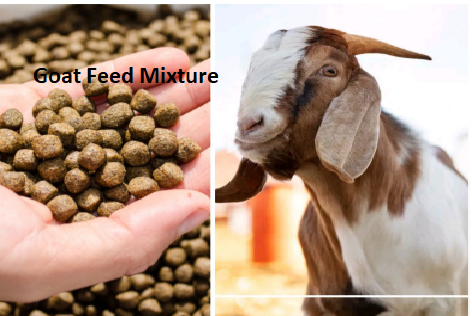
Providing a balanced goat feed mixture is the foundation of herd health, productivity, and long-term vitality. Whether you are raising dairy goats or managing a meat herd, understanding the specific nutritional requirements of your animals ensures they thrive rather than just survive.
You will learn exactly how to balance protein, fiber, and energy levels to meet the biological needs of your goats. This information will help you optimize your feeding strategy, minimize waste, and improve your overall agricultural results.
Core Nutritional Requirements for Goats
Goats are ruminants, meaning their digestive system is designed to process high-fiber forage. A proper goat feed mixture must prioritize this physiological need before adding any concentrated grains or supplements.
The primary component of any diet should be high-quality hay or pasture, representing at least 70% to 80% of their total daily intake. Forage provides the necessary scratch factor that keeps the rumen functioning correctly and prevents acid buildup.
Protein is the second most critical variable in your formulation. Growing kids and lactating does require significantly higher protein levels, often between 14% and 18%, to support tissue growth and milk production.
Energy, usually supplied through carbohydrates in grains, fuels their high metabolism and activity levels. If you feed too much grain, you risk causing acidosis or urinary calculi, especially in wethers.
The Basic Grain Mix Formulation
When you decide to supplement forage with a grain-based goat feed mixture, you need a balanced approach. Many successful producers start with a base of oats or barley, which are safer than corn due to their higher fiber content.
A common, reliable recipe for a general-purpose ration includes 50% oats, 30% barley, and 20% wheat bran. This combination provides a steady release of energy without spiking the blood sugar levels of the animals.
You must also incorporate a trace mineral salt block or loose mineral supplement specifically designed for goats. Copper is essential for goats, but you must ensure the mineral mix does not contain high levels of iron, which can inhibit copper absorption.
Always introduce new grain mixtures gradually over a period of 7 to 10 days. Sudden changes in diet can lead to digestive upset, bloat, or even more severe metabolic issues that require veterinary intervention.
Calculating Protein and Energy Ratios
Precision is necessary when mixing feed for high-performance animals. You can use a simple Pearson Square method to calculate the exact percentage of protein in your goat feed mixture.
For example, if you have a 10% protein grain base and a 20% protein soybean meal supplement, you can blend them to reach a target of 16%. This mathematical approach prevents the overfeeding of expensive protein sources.
Keep in mind that goats are selective eaters. If you provide a mixture of loose grains, they will often pick out the tastiest items and leave the rest, resulting in an unbalanced diet.
Pelleted feeds solve this problem by combining all ingredients into a single uniform bite. However, homemade mixes are often more cost-effective if you have access to local grain sources and a small hammer mill.
Mineral and Vitamin Supplementation
A goat feed mixture is incomplete without the right mineral profile. Goats have a higher requirement for copper than sheep, which makes it vital to buy feed labeled specifically for caprine species.
Deficiencies often manifest as rough coats, poor growth rates, or reproductive failure. You should offer a free-choice mineral supplement to allow goats to self-regulate based on their individual needs.
Vitamins A, D, and E are critical for overall immune function and bone development. While high-quality pasture provides these naturally, animals kept in confinement during winter months often require a synthetic boost.
Consult the eXtension goat management resources for region-specific advice on soil mineral deficiencies. This helps you understand if you need to add specific additives like selenium or iodine to your local feed base.
Comparing Common Feed Ingredients
Choosing the right base for your mixture depends on availability and cost. The following table compares common energy sources used in commercial and homemade rations.
| Ingredient | Energy Level | Fiber Content | Best Use Case |
|---|---|---|---|
| Whole Oats | Moderate | High | General maintenance |
| Cracked Corn | High | Low | Winter weight gain |
| Wheat Bran | Low | Moderate | Digestive health |
| Soybean Meal | N/A (Protein) | Low | Growth and lactation |
Each ingredient serves a specific purpose in the digestive cycle. Corn is excellent for keeping body condition up during cold weather, but it must be used sparingly to avoid obesity.
Managing Feed Waste and Storage
Storage is a frequently overlooked aspect of maintaining a quality goat feed mixture. Grains must be kept in airtight, rodent-proof containers to prevent mold growth and contamination.
Moldy feed is dangerous for goats and can lead to listeriosis, a serious neurological condition. If you notice any clumping or an off-smell in your feed bin, discard it immediately rather than risking the herd.
Feeder design also dictates how much money you lose to waste. Goats are notorious for stepping in their feed or tossing it out of troughs to find the “best” pieces.
Use wall-mounted feeders with vertical slats to discourage them from standing in the grain. This simple change can reduce feed waste by as much as 15% to 20% annually.
Seasonal Adjustments to Rations
Your goat feed mixture should not remain static throughout the year. During the spring flush, when pastures are lush and high in protein, you may need to reduce grain supplements significantly.
Conversely, during the breeding season or late pregnancy, the nutritional demand skyrockets. Does carrying twins or triplets need high-energy support to prevent pregnancy toxemia, also known as ketosis.
Monitor body condition scores every two weeks during the winter. If the ribs are becoming too prominent, increase the energy density of the feed by adding a small amount of vegetable oil or black oil sunflower seeds.
Always adjust the feeding rate based on the age and production status of the individual animal. A dry doe needs far less energy than a high-producing dairy doe currently in her peak lactation phase.
Common Mistakes in Feed Formulation
One major error is assuming that all livestock feed is interchangeable. Feeding cattle or horse feed to your goats can lead to fatal mineral imbalances, particularly regarding copper levels.
Another common mistake is providing too much bypass protein or energy without enough structural fiber. This creates a “lazy” rumen that fails to break down forage, leading to lower overall milk production.
Never rely solely on visual inspection when formulating a complex goat feed mixture. Keep a written log of the ingredients and ratios you use so you can troubleshoot if health issues arise.
Finally, ensure clean water is available at all times. Digestion is a water-intensive process, and a goat that does not drink enough will quickly stop eating, regardless of how perfect the feed mixture is.
Frequently Asked Questions
What is the best way to determine if my goat feed mixture is working?
The best indicators are the body condition score, coat quality, and milk production levels. If your goats are maintaining a healthy weight and show high energy levels, your current mixture is likely well-balanced for their needs.
Can I use kitchen scraps in my goat feed mixture?
You can provide small amounts of vegetable scraps, but avoid onions, garlic, and anything moldy. Scraps should never replace more than 5% of the total diet, as they lack the consistent nutritional profile required for ruminant health.
How often should I change the ratio of my goat feed mixture?
You should adjust the ratio based on life stages, such as moving from maintenance to lactation or from growth to breeding. Do not change the feed composition daily, as the rumen microbes need time to adapt to new ingredients.
Is it cheaper to buy commercial feed or mix my own?
Mixing your own is usually cheaper if you buy grains in bulk and have the equipment to grind them. However, if you only have a few goats, the convenience and consistent mineral balance of a high-quality commercial pelleted feed often outweigh the cost savings of DIY.
What are the signs of a nutritional deficiency in my herd?
Lethargy, hair loss, brittle hooves, and a failure to thrive are common warning signs. If you notice these symptoms, consult with a local veterinarian to perform a blood panel, as this is the only way to confirm a specific mineral deficiency.
Conclusion
Developing a proper goat feed mixture requires balancing the biological necessities of the animal with the practical realities of your farm. By focusing on high-quality forage, appropriate protein levels, and consistent mineral supplementation, you provide the building blocks for a healthy and productive herd. Remember that observation is your greatest tool; watch how your goats respond to every change you make to their diet.
Small, incremental adjustments are always safer than drastic shifts in feeding strategy. If you remain consistent and prioritize the rumen health of your animals, you will see the results in their growth and overall vigor. Start by evaluating your current forage quality before deciding how much supplemental grain your specific goats actually require.
