

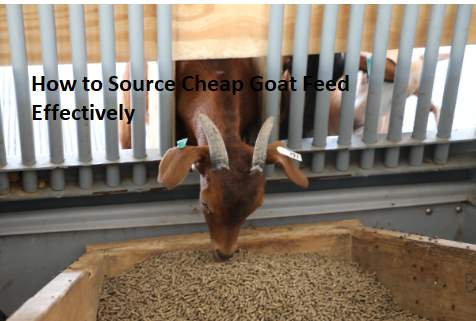
Managing your livestock expenses often starts with identifying cheap goat feed options that do not compromise the health or productivity of your herd. By prioritizing high-quality forage and utilizing local agricultural byproducts, producers can significantly lower their monthly overhead without sacrificing the nutritional integrity required for proper growth and milk production. Understanding the balance between cost-effectiveness and animal welfare is the key to maintaining a sustainable operation.
This article explores practical strategies for reducing dietary costs through bulk purchasing, seasonal grazing management, and the integration of alternative feed sources that keep your goats healthy while keeping your budget firmly under control.
Evaluating Daily Feed Costs
The reality of keeping goats on a budget involves calculating your true cost per head per day. Most commercial bagged grain rations cost between $0.40 and $0.75 per pound, which quickly adds up when feeding a medium-sized herd. If you are relying exclusively on processed pellets, you are likely overspending on convenience rather than raw nutritional value.
By switching to a forage-first model, you can reduce these daily expenditures by 30% to 50%. Investing in high-quality hay and supplement blocks often proves to be a more stable financial strategy than chasing retail discounts on premium grain mixes that goats may not even require in large quantities.
Maximizing Pasture and Browse
The cheapest source of nutrition for any ruminant is the vegetation they harvest themselves. Goats are natural browsers, meaning they prefer brush, weeds, and woody plants over standard pasture grasses.
By rotating your herd through varied terrain, you capitalize on free, high-fiber nutrition that would otherwise go to waste. Implementing a intensive rotational grazing system allows plants to recover while ensuring your goats consistently have access to fresh, nutrient-dense growth. This management style eliminates the need for expensive hay during the peak growing season and significantly lowers your reliance on stored winter supplies.
Strategic Bulk Purchasing
Buying feed in small quantities from local pet supply stores is the fastest way to inflate your operational costs.
Most feed mills and agricultural cooperatives offer significant discounts for orders exceeding 500 to 1,000 pounds at a time. If you lack the storage space for large quantities, consider forming a buying group with other local goat owners to split the costs of a bulk delivery. When you purchase in bulk, you are not just saving on the price per unit; you are also reducing the frequency of travel, which lowers your fuel and time expenditure.
Always ensure your storage area is dry and rodent-proof to prevent spoilage, as losing even a small percentage of your feed to moisture or pests negates the savings gained from bulk buying.
Utilizing Agricultural Byproducts
Many local farms and processing plants produce byproducts that serve as excellent, low-cost dietary additions for goats. Spent brewers’ grain, for example, is a protein-rich resource often available for free or at a nominal cost from local microbreweries. Similarly, vegetable scraps from local farmers’ markets or excess produce from grocery distributors can provide essential vitamins and minerals.
Before introducing these items, consult the Penn State Extension resources on goat nutrition to ensure the feed is safe and balanced for your specific breed. Always introduce new byproducts slowly to avoid digestive upset, and ensure they are free from mold or chemical contamination.
Nutritional Comparison Table
Understanding the value of different feed sources helps you make informed decisions when balancing your budget. The following table illustrates the relative cost and energy density of common feed options for goats.
| Feed Source | Relative Cost | Energy Density | Usage Recommendation |
|---|---|---|---|
| Pasture/Browse | Very Low | Medium | Primary source |
| Grass Hay | Low | Medium | Winter/supplemental |
| Brewers’ Grain | Very Low | High | Limited supplement |
| Commercial Pellets | High | Very High | Lactating/Growth only |
Winter Forage Management
Maintaining a herd through the winter months is often the most expensive part of the year. Instead of relying solely on expensive alfalfa, look for local producers of grass hay or mixed-legume bales that offer better value. Storing your hay properly under a shed or in a barn prevents the 15% to 20% loss that occurs from outdoor exposure to rain and snow. You can also supplement hay with affordable fiber sources like oat straw, provided you monitor the herd’s body condition score to ensure they are maintaining adequate weight. Preparing your winter inventory in late summer when prices are lowest is a standard practice for successful, budget-conscious goat farmers.
Essential Mineral Supplementation
While you should look to cut costs on bulk feed, never skimp on a high-quality loose mineral mix. Goats have specific requirements for copper, selenium, and zinc that are rarely met by forage alone, regardless of how cheap the feed is. A deficiencies-related veterinary bill will quickly erase any savings you achieved by buying inexpensive grain. Provide a free-choice, goat-specific mineral block or loose mix, and ensure it is kept dry in a protected feeder. This small, consistent expense acts as a form of insurance, keeping your herd healthy and productive while preventing long-term metabolic issues that are difficult and costly to treat.
Common Feed Additives and Sources
Beyond standard hay and grain, there are several supplemental items that can round out a goat’s diet without breaking the bank. These additions provide variety and ensure that your goats receive a spectrum of nutrients without needing to buy expensive, pre-mixed luxury supplements.
- Black oil sunflower seeds: Excellent source of fat and protein for coat health, often available in bulk.
- Beet pulp: A highly digestible fiber source that helps maintain hydration and rumen function.
- Tree trimmings: Fresh clippings from non-toxic trees like willow or maple provide essential minerals and entertainment.
- Garden waste: Carrot tops, broccoli stalks, and kale provide vitamins during the off-season.
- Corn fodder: Stalks left over from harvest can be grazed or chopped for late-season fiber.
Managing Herd Size and Efficiency
Sometimes the most effective way to manage feed costs is to adjust the size of your herd to match your available resources. Overstocking a property leads to overgrazing, which forces you to purchase more hay and grain to compensate for the lack of natural forage. Keeping only the number of goats that your land can support sustainably ensures that you aren’t paying for expensive supplemental feed year-round. Culling unproductive animals or focusing on breeding stock that thrives on lower-input diets can significantly improve your bottom line over time. Efficiency in animal management is just as important as the price of the feed itself.
Frequently Asked Questions
What is the cheapest way to feed goats?
The absolute cheapest way to feed goats is through managed rotational grazing on high-quality pasture and brush. By allowing the goats to harvest their own food, you eliminate the costs of harvesting, storing, and transporting hay or grain.
How can I make my own goat feed?
You can create your own feed by mixing whole grains like oats or barley with local agricultural byproducts. Always balance the mix based on the goat’s life stage, such as lactation or growth, and ensure you include a proper mineral supplement to prevent nutritional gaps.
What should I do if I run out of feed?
If you run out of feed, prioritize fiber by providing as much clean, dry grass hay as possible. Avoid sudden, drastic changes in diet, as these can cause severe rumen issues, and contact local farmers or feed stores immediately to arrange for a delivery of high-quality forage.
What is the best thing to feed goats?
The best diet for a goat is one centered on high-quality forage, such as pasture or hay, supplemented with the necessary minerals for your region. While grain can be used for energy during high-demand periods like pregnancy or milking, it should never be the majority of their daily intake.
How do I know if my goats are getting enough nutrition?
Monitor your goats’ body condition scores regularly by feeling along the spine and ribs. If they are losing weight or showing signs of a dull coat, they likely need more energy or protein, and you should adjust their diet or consult a veterinarian to check for internal parasites.
Achieving Long-Term Sustainability
Reducing your reliance on expensive inputs is a process of ongoing refinement rather than a single event. By focusing on high-quality, locally sourced forage and minimizing waste through better storage and management, you can keep your goats thriving on a modest budget. Remember that the goal of finding cheap goat feed is to support animal health, not just to lower a spreadsheet number. As you become more adept at identifying low-cost, high-nutrition sources, you will find that your herd remains healthy, active, and productive throughout the year. Stay observant of how your goats respond to dietary changes, and do not hesitate to adjust your strategy as seasons shift. Consistent management remains the most reliable path to success in goat husbandry.
