

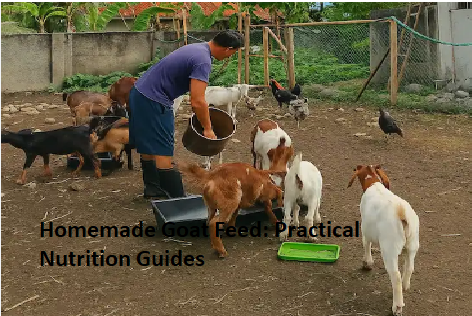
Managing a small herd requires a solid understanding of ruminant nutrition, and many owners find that creating homemade goat feed allows for better control over quality and cost. By sourcing individual grains and supplements, you can avoid the high markups associated with commercial pre-mixed bags. This approach also lets you tailor the diet to the specific needs of your animals, whether they are dry does, milking goats, or growing kids.
The most important fact to understand is that your goats require a precise balance of energy, protein, and minerals to remain healthy. A standard homemade goat feed ration for a lactating doe typically consists of 60% oats, 30% barley or corn, and 10% protein supplement, such as soybean meal or black oil sunflower seeds. You must also provide high-quality forage, as grain should never constitute more than 20% of their total daily intake.
Foundations of Ruminant Nutrition
Goats are browsers, not grazers, meaning they prefer to eat leaves, shrubs, and weeds over short grass. Their digestive system relies on a complex microbial fermentation process within the rumen, which is essentially a large internal vat. When you introduce grain, you are providing a high-energy fuel that can quickly change the pH level of that environment.
If you feed too much grain or introduce it too rapidly, you risk triggering acidosis. This condition occurs when the rumen becomes overly acidic, potentially leading to bloat or even death in severe cases. Always introduce new feed components slowly over a period of 10 to 14 days to allow the rumen flora to adapt.
Sourcing Quality Ingredients
When you decide to mix your own rations, you must identify reliable sources for whole or crimped grains. Buying in bulk from local mills or agricultural cooperatives is often the most cost-effective method for small-scale farmers. Ensure the grains are clean, free of mold, and stored in airtight, rodent-proof containers to maintain nutritional integrity.
Oats are generally considered the safest grain for goats because they are high in fiber and less likely to cause digestive upset. Barley and corn provide more energy but require careful monitoring of the total caloric load. You should avoid feeding fine, dusty grain, as it can cause respiratory issues and is difficult for goats to chew properly.
The Role of Minerals and Supplements
A common mistake in DIY feeding programs is neglecting the mineral profile, which is just as important as the protein content. Goats require a specific ratio of calcium to phosphorus, typically 2:1, to prevent urinary calculi, especially in wethers and bucks. You cannot rely on grain alone to meet these requirements; you must provide a free-choice loose mineral supplement.
Copper is another critical element for goats, though it is toxic to sheep. Ensure the mineral mix you provide is specifically formulated for goats, as it will contain the necessary copper levels that sheep-safe minerals lack. You should also offer baking soda in a separate container, as it helps goats regulate their own rumen pH naturally.
Calculating Protein Requirements
Protein needs fluctuate depending on the lifecycle stage of your goats. A dry doe or a mature buck requires roughly 10% to 12% crude protein, while a lactating doe may need as much as 16% to support milk production. Growing kids also require a higher protein intake, often around 16% to 18%, to support muscle and bone development.
You can adjust the protein content of your homemade goat feed by increasing the proportion of legumes like alfalfa pellets or adding oilseeds. Black oil sunflower seeds are a popular choice among homesteaders because they provide both protein and healthy fats. These fats help improve coat condition and provide extra energy during cold winter months.
Comparing Feed Components
To help you manage your inventory, consider how different ingredients contribute to the overall nutritional profile of your herd’s diet. The following table illustrates the general characteristics of common feed components used in home-mixed rations.
| Ingredient | Primary Benefit | Energy Level |
|---|---|---|
| Whole Oats | High Fiber | Moderate |
| Cracked Corn | High Energy | Very High |
| Barley | Digestibility | High |
| Soybean Meal | Protein Source | N/A |
| Black Oil Sunflower Seeds | Fat/Protein | High |
Managing Forage and Hay Intake
Grain should only be a supplement, not the primary source of nutrition for your goats. The bulk of their diet must consist of high-quality hay or pasture to ensure proper rumen function and long-term health. If you are interested in the scientific standards for animal requirements, the National Academies of Sciences provides extensive data on the specific needs of small ruminants.
If your goats are on lush pasture, they may not require any grain at all during the growing season. Grain is most useful during the winter, during late pregnancy, or when a doe is in peak lactation. Overfeeding grain to sedentary goats leads to obesity, which can cause fertility issues and joint stress.
Common Formulation Pitfalls
Many beginners struggle with the “magic mix” mentality, searching for a single recipe that works for every goat in the herd. Because individual metabolism and activity levels vary, you must observe your goats closely. If a goat is gaining too much weight, cut back on the energy-dense grains like corn.
Another common error is failing to keep the feed fresh. Once grains are cracked or rolled, they begin to oxidize and lose nutritional value. Try to mix only what you need for a week or two at a time rather than prepping months in advance.
Essential Supplies for Success
If you are just getting started with mixing your own rations, you will need a few basic pieces of equipment. Having the right tools ensures that your mixing is consistent and that your storage remains pest-free.
- A reliable digital scale for weighing ingredients by weight, not volume.
- Heavy-duty plastic bins with locking lids for moisture-proof storage.
- A dedicated mixing container, such as a clean wheelbarrow or large feed tub.
- A scoop with a known volume for consistent daily portions.
- A notebook or digital log to track which recipes work best for your specific goats.
Frequently Asked Questions
Is it cheaper to mix my own feed?
Yes, mixing your own feed is usually more cost-effective if you buy grains in bulk bags of 50 pounds or more. You eliminate the markup for the labor and branding associated with commercial bagged feeds, though you must account for the time spent sourcing and mixing.
Can I feed my goats chicken scratch?
You should avoid using chicken scratch as a primary feed for goats. It often contains high levels of corn and may include medications or additives that are not appropriate for ruminants, leading to potential health issues over time.
How do I know if my goat is getting enough protein?
Monitor your goats for signs of poor coat condition, low milk production, or slow growth rates in kids. If these issues persist despite good hay, you may need to increase the percentage of protein-rich ingredients like alfalfa or oilseeds in their daily mix.
Why is baking soda important in the pen?
Baking soda acts as a natural buffer for the goat’s rumen. If they consume too much grain or eat something that causes indigestion, they will often seek out the baking soda to help neutralize the excess acid in their digestive tract.
Should I crush or roll the grains?
Goats have strong teeth and can handle whole grains effectively in most cases. However, rolling or crimping the grain can increase digestibility by roughly 10% to 15%, which may be beneficial for older goats or those with dental issues.
Conclusion
Developing a homemade goat feed program is a rewarding way to take full responsibility for your herd’s health and performance. By focusing on high-quality forage and supplementing with carefully balanced grains, you provide your animals with the best possible foundation for growth and production. Remember that nutrition is a dynamic process, and your ratios should evolve based on the age, activity level, and environmental conditions of your goats.
Always monitor your animals for changes in body condition score and adjust your rations accordingly. Taking the time to understand these nutritional basics will lead to a more resilient and productive herd, making your efforts in the barn both practical and sustainable.
