

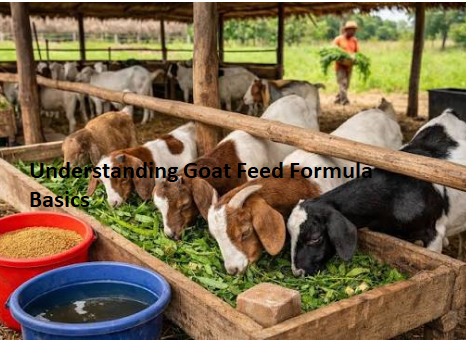
Managing a proper goat feed formula is essential for maintaining herd health, maximizing milk production, and ensuring efficient weight gain. Whether you are raising dairy goats or meat breeds, the nutritional requirements shift based on the animal’s life stage and physiological state. By balancing energy, protein, fiber, and minerals, you can create a diet that supports longevity and productivity.
This article explains the core components of these nutritional mixes, how to calculate requirements, and the specific ratios necessary for different types of goats. You will learn how to transition between feed types and avoid common nutritional pitfalls that often lead to health issues in small ruminant operations.
Core Nutritional Requirements
The foundation of any successful goat feed formula relies on four pillars: energy, protein, fiber, and essential minerals. Goats are ruminants, meaning their digestive systems are designed to process large amounts of fibrous plant material through microbial fermentation. If you ignore the fiber requirements, you risk inducing acidosis or other metabolic disorders.
Energy is typically provided through carbohydrates found in grains like corn, oats, or barley. Protein sources, such as soybean meal or alfalfa, are crucial for muscle development and milk synthesis. Always balance these inputs to match the specific breed and activity level of your animals.
A common mistake is treating goats like small cows or sheep. Goats have a higher metabolic rate and specific mineral needs, particularly regarding copper and selenium. You must provide a balanced mineral supplement, often in loose form, to prevent deficiencies.
A standard ratio for a balanced ration often targets 12% to 16% crude protein depending on the goat’s age. Lactating does require significantly higher energy densities than dry does or wethers. Understanding these baseline percentages allows you to adjust your feed mix based on the specific body condition score of your herd members.
The Role of Forage and Roughage
Forage should always make up the bulk of a goat’s diet, ideally accounting for at least 60% to 70% of their total dry matter intake. High-quality hay, such as orchard grass or alfalfa, provides the necessary long-stem fiber for rumen health. If you rely solely on grain, you will likely encounter digestive issues and potentially fatal bloat.
Grazing on diverse pastures allows goats to browse, which is their natural feeding behavior. This variety helps balance their nutrient intake naturally, provided the pasture is well-managed and free of toxic plants.
When pasture is unavailable, you must supplement with high-quality hay to maintain the necessary fiber levels. Legume hays like alfalfa are excellent for high-producing dairy goats because they provide high calcium and protein levels. Grass hays are generally better for dry does or maintenance animals to prevent obesity.
Always test your hay if possible, as nutritional content varies wildly between cuttings and fields. By knowing the exact nutrient profile of your forage, you can tailor your grain-based goat feed formula to fill the specific gaps in their diet.
Calculating Protein and Energy Ratios
Balancing protein and energy is the most technical part of developing a feed mix. Energy is often measured in Total Digestible Nutrients (TDN) or Net Energy for Maintenance (NEm). Growing kids require a higher protein-to-energy ratio to support skeletal and muscle growth.
Conversely, mature bucks in the off-season need less protein and energy to maintain their body weight without becoming overweight. Over-feeding energy to non-productive goats leads to health complications like urinary calculi.
To calculate your requirements, use the weight of the goat as your primary metric. A general rule of thumb is that a goat will consume 3% to 4% of its body weight in dry matter daily. If you are mixing your own feed, you must account for the nutrient density of every ingredient added to the mix.
For example, corn is high in energy but low in protein, while soybean meal is a concentrated protein source. You can use a Pearson Square calculation to determine the exact proportions needed to reach your target protein percentage.
Essential Mineral Supplementation
Goats are notoriously sensitive to mineral imbalances, and they require a specific profile to thrive. Unlike sheep, goats have a higher tolerance for copper, but they still require it for proper enzyme function and coat health. Selenium and Vitamin E are also critical, especially in regions where the soil is deficient.
A loose mineral mix designed specifically for goats is superior to a block, as blocks can wear down teeth and don’t provide consistent intake. Always ensure the mineral mix is available free-choice at all times.
| Nutrient | Role in Goat Health | Common Source |
|---|---|---|
| Calcium | Bone growth and milk production | Alfalfa hay |
| Phosphorus | Energy metabolism and fertility | Dicalcium phosphate |
| Copper | Pigmentation and immune support | Trace mineral salts |
| Magnesium | Nervous system and muscle function | Magnesium oxide |
Monitoring mineral intake is as important as providing it. If your goats are consuming the mineral mix too rapidly, they may be suffering from a deficiency that needs to be addressed through other feed changes. Alternatively, if they ignore it, ensure the mix is fresh and protected from moisture.
Consult the Extension Services for Sheep and Goats for regional guidelines regarding soil-specific mineral deficiencies. Proper supplementation prevents common issues like “white muscle disease” in kids and poor reproductive performance in does.
Grain-Based Feed Formulas for Production
When you need to support high levels of milk production or rapid weight gain, grains become a necessary part of the diet. A simple mix for a lactating doe might include a blend of oats, barley, and a small amount of soybean meal. Oats provide excellent energy with enough fiber to keep the rumen stable.
Barley is a denser energy source but must be introduced slowly to avoid sudden pH shifts in the rumen. Avoid feeding large quantities of wheat, as it is highly fermentable and prone to causing grain overload.
The preparation of these grains matters significantly for digestibility. Crimped or rolled grains are generally better utilized by goats than whole, hard kernels. Feeding whole corn, for example, often results in significant waste as it passes through the digestive tract undigested.
If you are mixing your own feed, keep the particles relatively large to encourage chewing and saliva production. Saliva is a natural buffer that helps maintain the correct rumen pH, which is vital when feeding concentrates.
Transitioning and Feeding Schedules
Sudden changes in diet are the leading cause of digestive distress in goats. If you are switching to a new goat feed formula or introducing grain, do so over a period of at least two weeks. Start with a very small amount and gradually increase the portion while monitoring the animals for signs of scouring or lethargy.
This slow introduction allows the rumen microbes to adapt to the new substrate. Failure to manage this transition can lead to enterotoxemia, a rapid and often fatal condition.
Feeding schedules should be consistent to keep the rumen environment stable. Split the daily grain ration into two feedings, morning and evening, to prevent large fluctuations in energy intake. Always provide access to clean, fresh water, as water intake is directly linked to feed intake.
If a goat stops drinking, it will quickly stop eating, leading to a rapid decline in health. Clean your water troughs regularly to ensure the animals are not avoiding water due to algae or debris.
Common Mistakes in Ration Formulation
One of the most frequent errors is assuming that all goats in a herd have the same needs. A dry doe in the middle of her gestation cycle has very different requirements than a doe nursing triplets. Grouping animals by their production stage allows you to feed them according to their actual needs.
Feeding your entire herd the same high-protein ration is both wasteful and potentially unhealthy for the animals that don’t need the extra density. Over-conditioned goats, especially bucks, are at high risk for health issues.
Another common mistake is neglecting the importance of water quality and volume. A lactating goat may drink several gallons of water per day, and a restricted water supply will immediately limit her milk production. Additionally, some owners fail to account for the mineral content of their water source.
If your well water is high in iron or sulfur, it may interfere with the absorption of other minerals. Testing your water is a low-cost step that can save significant money on unnecessary mineral supplements.
Managing Feed Costs and Efficiency
Controlling costs while maintaining quality is the hallmark of a successful operation. Buying grain in bulk and mixing it on-site is almost always more economical than purchasing pre-bagged commercial mixes. However, you must have a reliable source of high-quality ingredients and a way to store them to prevent mold and rodent contamination.
Moldy feed is extremely dangerous for goats and can cause severe illness or abortions. Invest in proper storage bins to keep your raw ingredients dry and pest-free.
Consider the cost-to-benefit ratio of every ingredient you include. While high-protein supplements are necessary for production, they are also the most expensive components of the mix. Use them strategically rather than as a general filler.
Tracking the body condition scores of your animals over time will tell you if your current strategy is working or if you are over-feeding. Regular observation is far more valuable than blindly following a generic recipe.
Frequently Asked Questions
How much grain should a goat eat per day?
A general rule is to feed no more than 0.5 to 1 pound of grain per day for an average-sized dairy goat, depending on her milk production. Meat goats or dry does often require no grain at all if the forage quality is high.
Can I feed my goats chicken feed?
No, you should avoid feeding chicken feed to goats. Chicken feed often contains medications or additives that are toxic to goats, and it is not formulated with the correct fiber and mineral balance for ruminants.
What are the signs of a poor diet?
Common signs include a dull or rough coat, poor body condition, frequent diarrhea, or a noticeable drop in milk production. In severe cases, you may see stunted growth in kids or reproductive failure in does.
Is it necessary to add molasses to the mix?
Molasses is often added to improve palatability and reduce dust, but it is not nutritionally required. If you use it, be aware that it adds significant sugar, which can lead to obesity if fed in excess.
How often should I test my hay?
You should test your hay at least once per cutting, or whenever you switch to a new batch. Hay quality changes significantly based on the weather during harvest and the maturity of the grass at the time of cutting.
Conclusion
Developing an effective goat feed formula requires a balance of science and observation. By prioritizing high-quality forage and providing a mineral program tailored to your local soil, you establish a strong baseline for herd health. Always monitor your goats’ body condition and adjust your grain portions based on their specific life stage rather than using a one-size-fits-all approach.
Remember that the goal is to support the animal’s natural rumen function, not to replace it with excessive concentrates. If you notice health fluctuations, look first to your forage quality and water source before making radical changes to your grain mix. Consistent management and careful record-keeping will lead to a productive, healthy herd over the long term.
