

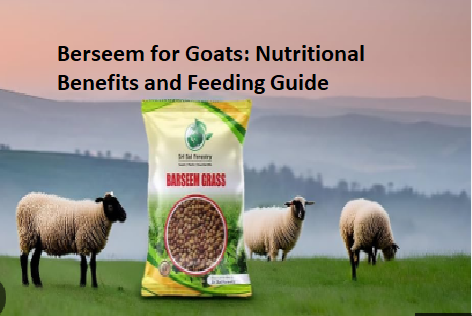
Feeding berseem for goats provides a highly palatable and nutrient-dense forage option that supports rapid weight gain and milk production. Known botanically as Trifolium alexandrinum, this annual legume thrives in cooler climates and offers a high protein content that is essential for maintaining herd health. Many livestock owners turn to this crop because it is easy to digest and minimizes the risk of digestive upsets commonly associated with more aggressive legumes like alfalfa.
When you introduce berseem for goats, you are providing a forage that typically contains 15% to 22% crude protein depending on the stage of growth. This high protein level makes it an excellent choice for lactating does and growing kids that require extra nutrients for development.
Because of its soft texture and high leaf-to-stem ratio, goats find it highly palatable compared to coarser grasses. It is often used as a winter or spring crop in regions where temperatures remain moderate.
Nutritional Composition and Digestibility
The primary appeal of using berseem for goats lies in its superior digestibility profile. Unlike some fibrous grasses that pass through the rumen slowly, this clover is broken down efficiently by microbial fermentation. This allows your animals to consume more forage in a single day, which directly translates to improved growth rates.
Research indicates that the total digestible nutrients (TDN) in berseem often hover between 60% and 70%. This energy density is crucial for maintaining body condition during the late stages of pregnancy or the peak of lactation. When goats have access to high-quality forage, they require less supplemental grain, which helps keep your feed costs manageable.
You should aim to harvest or graze this legume during the late vegetative or early flowering stage. Allowing the plant to mature too far results in a significant drop in protein and an increase in lignin. Lignin is a structural component that goats cannot digest, meaning older plants provide less actual nutrition despite filling the animal’s stomach.
Comparison with Other Forage Legumes
Choosing the right legume for your herd requires balancing cost, availability, and nutritional output. While alfalfa is the gold standard for many, it can be expensive and difficult to establish in certain soil types. Berseem clover offers a specialized alternative that works well in heavy, moist soils where other legumes might struggle.
| Feature | Berseem Clover | Alfalfa | Oat Hay |
|---|---|---|---|
| Crude Protein | 15% – 22% | 17% – 24% | 8% – 12% |
| Water Requirement | High | Moderate | Low |
| Growth Cycle | Annual | Perennial | Annual |
| Bloat Risk | Low | High |
The table above illustrates why many producers choose to integrate multiple forage types. While alfalfa provides a higher ceiling for protein, the lower bloat risk associated with berseem makes it safer for rotational grazing. You can effectively manage a diverse pasture by mixing these legumes to balance the nutritional intake of your animals.
Managing Bloat Risks in Goats
One of the most significant concerns for any goat owner is bloat, which occurs when gas becomes trapped in the rumen. While berseem is generally considered a “non-bloating” legume, caution is still necessary when turning hungry animals out onto lush, young stands. The rapid fermentation of sugars in fresh forage can still lead to issues if the rumen flora is not adapted.
To mitigate these risks, always ensure that your goats are not overly hungry when they first enter a new paddock. Provide a source of dry hay or straw to fill their rumens with fiber before they begin grazing on succulent clover. This practice creates a “buffer” that slows down the rate of fermentation and prevents the rapid buildup of gas.
You should also monitor your herd closely during the first few days of a new grazing cycle. If you notice any signs of discomfort, such as frequent bleating, restlessness, or a distended left flank, remove the animals immediately. Most producers find that once the herd is adapted to the change in diet, they can graze berseem safely throughout the season.
Agronomic Requirements for Growth
If you plan to grow your own forage, understanding the soil requirements is essential for a successful yield. Berseem clover is remarkably tolerant of waterlogged soils, making it an ideal choice for low-lying areas that might drown out other crops. It prefers a pH between 6.0 and 7.5 to maximize nutrient uptake and nitrogen fixation.
Planting should occur in the fall or late winter, depending on your local climate zone. You can broadcast the seed or use a drill for more uniform coverage. Ensure that the seeds are inoculated with the correct strain of Rhizobium bacteria to ensure the plants can fix nitrogen from the air.
Once established, this crop is a heavy producer that can withstand multiple cuttings. If you are harvesting it for hay, aim to cut it when the plants are about 10 to 12 inches tall. This timing ensures the best balance between volume and nutritional quality for your goats.
Strategies for Rotational Grazing
Implementing a rotational grazing system is the most effective way to maximize the lifespan of your berseem. By moving your goats frequently, you prevent overgrazing and allow the plants to recover their root reserves. This practice also helps break the life cycle of internal parasites that often plague goat herds.
Divide your pasture into smaller paddocks using temporary electric fencing. Move the herd every 3 to 5 days depending on the density of the forage and the number of animals. This intensity encourages the goats to eat the plants evenly rather than selectively picking the most tender leaves and ignoring the stems.
Always leave a residual height of about 3 to 4 inches after grazing. This stubble is vital for the plant to photosynthesize and regrow quickly for the next cycle. If you graze too low, you effectively kill the plant, forcing you to reseed the entire area sooner than necessary.
Integrating Berseem into a Balanced Diet
While berseem is an exceptional source of protein, it should not be the sole component of a goat’s diet. Goats are browsers by nature and require a variety of plants to meet their full nutritional requirements. A diet consisting only of legumes can sometimes lead to an excess of protein, which the animal simply excretes as urea.
Supplementing with high-fiber grass hay or allowing the goats to browse on woody shrubs provides necessary structural carbohydrates. This balance keeps the rumen functioning correctly and ensures the goats get a full spectrum of vitamins and minerals. You can consult the Pennsylvania State University Extension resources for detailed information on balancing rations for various production stages.
Consider the following list of essential components for a healthy goat diet alongside clover:
-
- Clean, fresh water available at all times to support digestion.
-
- Free-choice loose minerals specifically formulated for goats, containing copper.
-
- Access to woody browse or trees to satisfy their natural foraging behavior.
-
- High-quality grass hay to maintain rumen pH levels.
-
- Limited grain supplementation for high-producing does during peak lactation.
Handling and Storage of Hay
If you decide to harvest your crop as hay, the process requires precision to maintain quality. Because the leaves of berseem are delicate, they can shatter easily during the drying process. You want to avoid excessive mechanical handling, which can leave you with nothing but stems in the bale.
Ideally, use a tedder only when necessary and bale the hay while there is still a small amount of moisture to keep the leaves attached. Once baled, store the hay in a dry, well-ventilated barn to prevent mold growth. Moldy hay is toxic to goats and can lead to respiratory issues or severe illness, so never feed it to your herd.
If you are buying hay, inspect the bales for color and smell. High-quality berseem hay should have a green tint and a sweet, fresh aroma. If it smells musty or looks dusty, it has likely been rained on or stored incorrectly, and it will not provide the nutritional value your animals need.
Frequently Asked Questions
Can goats eat berseem clover every day?
Yes, goats can consume this forage daily as part of a balanced diet. However, it should be introduced gradually to allow the rumen microbes time to adjust to the high protein content. Ensure they also have access to dry fiber sources to prevent digestive upset.
Is there a specific time of day best for grazing?
Grazing in the late morning is often recommended after the dew has dried. Wet forage can sometimes contribute to bloat or other digestive issues in sensitive animals. If you must graze early, ensure the goats have had access to dry hay overnight.
Does berseem cause milk taint?
Like many legumes, consuming large quantities of fresh clover can occasionally affect the flavor of milk. If you are milking your goats, monitor the taste of the milk closely. Most producers find that a mixed pasture diet eliminates any noticeable flavor changes.
How long does a stand last?
Berseem is an annual plant, meaning it will complete its life cycle in one season. You will need to reseed the area if you want to maintain a constant supply of this specific forage. Some producers allow a portion of the stand to go to seed to encourage natural reseeding for the following year.
Can kids eat berseem?
Yes, young kids can begin nibbling on soft, fresh clover as they start to wean. It provides the high protein needed for rapid skeletal and muscle growth. Just keep a close eye on them to ensure they aren’t overindulging before their digestive systems are fully developed.
Conclusion
Incorporating berseem for goats is a strategic move for any producer looking to improve herd performance while managing input costs. Its combination of high protein, excellent digestibility, and relative safety makes it a standout choice for those grazing in suitable climates. By focusing on proper management techniques—such as rotational grazing and gradual introduction—you can significantly improve the health and productivity of your animals.
Remember that nutrition is the foundation of a successful livestock operation. While this forage provides a powerful boost, it works best when combined with a diverse diet and clean water.
Take the time to observe your herd’s response to the forage and adjust your grazing schedule to suit their specific needs. With careful planning, you will see the benefits in the vitality of your goats and the quality of your production.
