

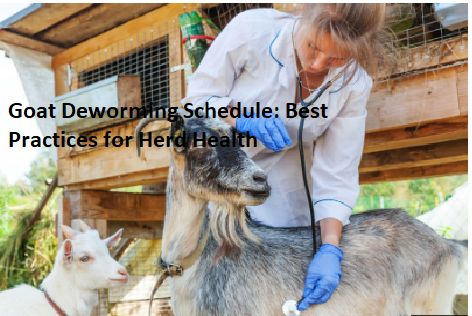
Establishing a consistent goat deworming schedule is the most effective way to manage internal parasites like Haemonchus contortus, commonly known as the barber pole worm. Rather than following a rigid calendar, modern veterinary science suggests a targeted approach based on the FAMACHA system to prevent drug resistance. You should prioritize fecal egg counts and clinical observations over blanket treatments to ensure your herd remains productive and healthy throughout the year.
Direct Answers to Deworming Frequency
There is no universal number of days that applies to every herd, but a common mistake is treating goats too frequently. You should never deworm on a set monthly basis because this practice rapidly accelerates the development of resistant parasite populations.
Instead, base your intervention on the FAMACHA score, which involves checking the color of the lower eyelid mucous membranes. If the membranes appear pale or white, the goat likely requires immediate treatment for anemia caused by blood-feeding worms.
Understanding Parasite Resistance
Parasite resistance occurs when the worms that survive a deworming dose pass their resistant genes to the next generation. Over time, common products like Ivermectin or Fenbendazole lose their effectiveness entirely on specific farms.
You can mitigate this by practicing “refugia,” which means leaving a portion of your herd untreated to maintain a population of susceptible parasites on the pasture. This strategy dilutes the resistant genes and extends the lifespan of your available deworming medications.
The Role of FAMACHA Scoring
The FAMACHA system is the gold standard for managing a goat deworming schedule because it identifies individual animals that are suffering from clinical parasitism. You inspect the inner eyelid of each goat and compare the color against a standardized color chart.
A score of 1 indicates a healthy, non-anemic animal, while a score of 4 or 5 indicates severe anemia requiring urgent medical intervention. By focusing only on these vulnerable goats, you naturally reduce the frequency of chemical usage.
Fecal Egg Counting Techniques
Fecal egg counts provide the quantitative data necessary to determine if a specific goat actually needs a deworming agent. You collect fresh manure samples and use a McMaster slide to count the number of eggs per gram (EPG).
If the count is below 500 EPG, many healthy adult goats do not require treatment, even if they are shedding some eggs. Regular testing allows you to identify “resilient” goats that stay healthy despite a moderate parasite load, which are the individuals you should breed to improve herd immunity.
Common Deworming Products and Classes
There are three primary classes of dewormers, and rotating them is often misunderstood by novice owners. You should not rotate products every time you deworm, as this can actually encourage multi-drug resistance.
Instead, stick to one class until it is no longer effective, then switch to a different chemical family entirely. Always verify the weight of your goat before dosing to avoid under-dosing, which is a primary driver of resistance.
- Benzimidazoles (e.g., Fenbendazole) – Effective against many worms but resistance is widespread.
- Macrocyclic Lactones (e.g., Ivermectin, Moxidectin) – Powerful, but dosage must be precise to be effective.
- Nicotinic Agonists (e.g., Levamisole) – Often used as a last resort in severe, resistant cases.
- Combination Therapy – Using two classes simultaneously can sometimes kill resistant worms that one alone cannot.
Comparing Treatment Strategies
Understanding how different management styles impact your bottom line and animal health is crucial for long-term success. The following table illustrates the difference between traditional calendar-based methods and the modern, evidence-based approach.
| Strategy | Frequency | Resistance Risk | Labor Intensity |
|---|---|---|---|
| Calendar-Based | Fixed Intervals | Extremely High | Low |
| FAMACHA/EPG | As Needed | Low | High |
| Rotational Grazing | Continuous | Low | Medium |
Pasture Management and Nutrition
Your grazing strategy is just as important as any medication in maintaining a successful goat deworming schedule. Parasite larvae typically live in the bottom two to four inches of grass, so keeping goats on taller forage drastically reduces their exposure.
You should implement a rotational grazing plan that allows pastures to rest for at least 30 to 45 days between rotations. This resting period allows the larvae to die off in the environment before the goats return to that specific paddock.
Nutritional Support for Immunity
Goats in high physical condition are significantly better at managing a moderate parasite load than those suffering from nutritional deficiencies. Provide free-choice access to high-quality mineral supplements, specifically those containing copper, which is essential for immune function in small ruminants.
Protein is also critical; studies have shown that goats fed a high-protein diet show improved resilience to Haemonchus infections. For further reading on managing health, refer to the WormBoss guidelines, which offer extensive resources on integrated parasite management.
Managing Kids and Yearlings
Young goats are the most susceptible members of the herd because they have not yet developed an acquired immunity to internal parasites. You should monitor kids much more closely than mature does or bucks, as their FAMACHA scores can drop rapidly within a matter of days.
If you notice a “bottle jaw”—a swelling under the jaw—this is a sign of extreme anemia and protein loss. Treat these animals immediately and consider keeping them in a cleaner, dry area away from heavily grazed pasture during their first season.
Environmental Factors and Climate
The survival of parasite larvae in the environment is heavily dependent on moisture and temperature. In hot, humid climates, the cycle from egg to infective larva happens in as little as 4 to 6 days.
In cooler or drier regions, the cycle slows down, providing a natural window where you may not need to deworm as often. You must adjust your management intensity based on your local weather patterns, especially during the peak spring and summer rainy seasons.
Addressing Common Questions
How long should I wait between doses of dewormer?
If a treatment is effective, you should not need to repeat it for a significant period unless the animal is re-exposed to a high-larval environment. If you feel you must repeat a dose, wait at least 14 days to see if the FAMACHA score improves, as immediate follow-up dosing often leads to toxic buildup and resistance.
What is the best way to deworm a goat?
The most effective way is to use an oral drench, ensuring the nozzle is placed over the back of the tongue to prevent the liquid from entering the rumen too quickly. If the medication enters the rumen immediately, it may be diluted or broken down before it can reach the abomasum where the worms reside. Always use a calibrated syringe for accuracy.
Can you give a goat too much dewormer?
Yes, overdosing can lead to toxicity, particularly with products like Moxidectin, which has a narrow margin of safety in small goats. Always weigh your animal using a scale rather than guessing, as humans consistently underestimate the weight of goats by 20 to 30 pounds.
Does deworming kill all the worms at once?
No, no dewormer is 100 percent effective against every stage of the parasite’s life cycle. Some larvae may be encysted in the stomach wall, meaning they are temporarily protected from the medication and will emerge later. This is why a single dose is rarely a permanent solution for a heavily infected animal.
How do I know if the dewormer is working?
You can perform a fecal egg count reduction test (FECRT) by taking a sample before treatment and another 10 to 14 days after treatment. If the egg count has not dropped by at least 95 percent, the parasite population on your farm is likely resistant to that specific drug.
Conclusion
Maintaining a healthy herd requires moving away from the idea that a goat deworming schedule is a rigid set of calendar dates. By integrating the FAMACHA system, performing regular fecal egg counts, and focusing on high-quality nutrition, you can significantly reduce your reliance on chemical interventions. These practices not only protect your animals from the dangers of drug-resistant parasites but also save you money on unnecessary medications.
Start by establishing a baseline for your herd today and observe how your goats respond to improved management. Engaging with your local veterinarian to develop a farm-specific plan will ensure your long-term success in keeping your goats thriving and productive.
