

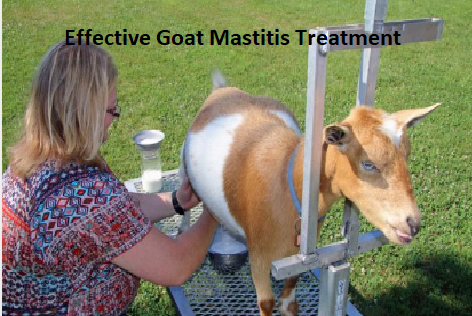
Managing goat mastitis treatment effectively requires quick identification and a disciplined approach to animal health. This inflammatory condition of the udder, typically caused by bacterial infection, can rapidly reduce milk production and compromise the wellbeing of your herd. By recognizing the early warning signs and implementing a structured intervention plan, you can protect your dairy production and ensure long-term animal vitality.
Understanding the specific pathogens involved and selecting the appropriate therapy are the most critical steps in stopping the spread of infection. This article provides the essential framework for diagnosing, treating, and preventing udder inflammation in your dairy goats.
Primary Treatment Protocols
The standard approach for goat mastitis treatment involves a combination of systemic antibiotics and intramammary infusions. You must first identify the causative organism to choose the most effective medicine, as different bacteria respond to different compounds.
Penicillin and its derivatives are commonly used, though resistance levels vary across different farm environments. Veterinarians often recommend a five-to-seven-day course of therapy to ensure the infection is fully eradicated from the udder tissue.
Intramammary infusions are administered directly into the teat canal after the udder has been thoroughly milked out. This delivers the medication directly to the site of the infection, providing a higher concentration of the drug where it is needed most.
Always clean the teat end with an alcohol swab before insertion to prevent introducing new bacteria during the treatment process. Failure to maintain strict hygiene during these procedures often leads to secondary infections that complicate the recovery.
Systemic antibiotics, often administered via intramuscular injection, are necessary when the infection has become systemic or if the goat is showing signs of fever. Procaine penicillin G is a frequent choice, but you must consult your local veterinarian to establish the correct dosage based on the weight of the animal. Never stop the treatment early, even if the milk appears to return to normal, as this encourages the development of antibiotic-resistant bacterial strains.
Recognizing Clinical Symptoms
Early detection is the most significant factor in successful recovery outcomes. Observe your goats daily during milking for any changes in the consistency, color, or smell of the milk.
A healthy udder should be soft and pliable, while an infected one often feels hot, swollen, or unusually firm to the touch. You may notice small clots, flakes, or blood in the milk, which are definitive signs that you need to begin an immediate intervention.
Behavioral changes in the goat also serve as indicators of discomfort or systemic illness. A goat with mastitis might lag behind the herd, display a reduced appetite, or show signs of lethargy.
In severe cases, the animal may hold one leg up or shift its weight frequently to avoid putting pressure on the painful udder. If the udder appears asymmetrical, with one side significantly larger or harder than the other, perform a physical examination to check for localized heat or pain.
Using a California Mastitis Test (CMT) kit is a reliable way to confirm the presence of somatic cells in the milk. This simple, inexpensive tool can help you identify subclinical mastitis before the symptoms become obvious to the naked eye.
By performing these tests regularly, you can isolate affected animals before they contaminate the rest of your milking string. Consistent monitoring is the cornerstone of managing udder health in any herd size.
Common Pathogens and Causes
Understanding the bacterial culprits behind udder inflammation helps in selecting the right course of action. The most common bacteria involved include Staphylococcus aureus, Streptococcus agalactiae, and various coliform bacteria like E. coli. Staphylococcus aureus is notoriously difficult to clear and often leads to chronic, recurring cases that may necessitate culling the animal. Coliform infections usually originate from bedding or muddy environmental conditions, often causing more acute, systemic illness.
Environmental hygiene plays a massive role in the prevalence of these pathogens. Goats that lie in wet, dirty, or poorly ventilated stalls are at a significantly higher risk of bacterial exposure.
The teat canal remains slightly open for a period after milking, making it a direct entryway for environmental bacteria if the goat lies down in contaminated bedding. Maintaining clean, dry, and well-drained living quarters is as important as any medication you might administer.
The following table summarizes the key differences in how various mastitis types present in a herd:
| Pathogen Type | Common Source | Severity Level |
|---|---|---|
| Staphylococcus aureus | Infected udders/equipment | High (Chronic) |
| Streptococcus spp. | Udder skin/teat ends | Moderate |
| Coliform (E. coli) | Manure/Bedding/Water | High (Acute) |
| Mycoplasma | Respiratory/Systemic spread | Very High |
Environmental Management Strategies
Preventing mastitis starts long before you need to reach for a syringe or antibiotic bottle. You should implement a rigorous sanitation schedule for your milking parlor and equipment.
Ensure that all milking machines are properly maintained, as fluctuating vacuum pressures can damage teat tissue and increase the risk of infection. Always use a post-milking teat dip that has been specifically formulated for dairy goats to seal the teat canal and kill residual bacteria.
Bedding management is another critical area that requires your attention. Straw or wood shavings should be replaced frequently to prevent the accumulation of moisture and manure.
If you notice your goats frequently lying in their own waste, it is a sign that your stocking density might be too high or your cleaning frequency needs to increase. Providing a clean, elevated resting surface can significantly reduce the bacterial load on the udder skin.
Water quality and nutrition also influence the immune response of your herd. Ensure that your goats have access to clean, fresh water at all times to avoid dehydration, which can stress the immune system.
A balanced diet, supplemented with appropriate minerals like selenium and Vitamin E, helps maintain strong udder tissue integrity. For further technical details on animal health, you can review resources provided by the United States Department of Agriculture regarding livestock disease control.
The Role of Milking Hygiene
Your milking routine serves as the first line of defense against the introduction of pathogens. Always milk the healthy animals first and save the goats with known mastitis for the very end of the session.
This prevents the transfer of bacteria from infected teats to healthy ones via your hands or the milking equipment. Wear nitrile gloves during the entire process and change them or sanitize them between each goat.
Pre-milking teat dips are highly effective at reducing the number of bacteria on the surface of the udder. Allow the dip to sit for at least 30 seconds before wiping it off with a clean, single-use paper towel.
Never use a communal towel or cloth to dry the teats, as this is a primary vector for spreading mastitis within a herd. If you are hand milking, ensure your fingernails are kept short and clean to avoid causing micro-cuts on the delicate teat skin.
Post-milking care is equally important for long-term udder health. Apply a high-quality barrier teat dip immediately after the milking unit is removed or you have finished hand milking.
This dip acts as a protective layer, preventing bacteria from colonizing the open teat canal while the animal returns to the barn. Keep the goats standing for at least 30 minutes after milking by providing fresh feed in the troughs, which keeps them from lying down immediately.
When to Consider Culling
Sometimes, despite your best efforts at goat mastitis treatment, the infection remains persistent or incurable. Chronic Staphylococcus aureus infections, for example, often result in deep-seated abscesses within the udder tissue that antibiotics cannot reach.
When an animal becomes a repeat offender, it serves as a reservoir of infection that constantly threatens the health of the rest of your herd. Culling these individuals is often the most responsible economic and health-related decision.
Evaluate the cost of ongoing treatment versus the value of the goat’s production. If you find yourself treating the same goat for mastitis multiple times in a single lactation, the damage to the udder tissue is likely permanent.
Scar tissue formation, known as fibrosis, reduces milk-secreting capacity and makes the udder more susceptible to future infections. Calculate the cost of medications, veterinary visits, and discarded milk to determine if the animal is still viable for your operation.
Keep detailed health records for every animal in your herd to track these trends over time. A simple logbook or spreadsheet will show you which goats are prone to recurring issues.
By removing chronically infected animals, you decrease the overall bacterial pressure in your environment. This proactive approach protects the investment you have made in your healthy, productive goats and ensures a more sustainable dairy operation.
Supportive Therapy for Recovery
While antibiotics address the bacterial infection, supportive care helps the goat recover more quickly. Anti-inflammatory medications, such as flunixin meglumine, are often used to reduce pain and fever during the acute phase of mastitis.
These drugs help the goat feel better, encouraging them to continue eating and drinking, which is vital for maintaining their strength. Always follow the withdrawal period guidelines specified by your veterinarian when using these or any other medications.
Frequent milking is another form of supportive therapy that is often overlooked. If the udder is severely congested, milking the affected quarter every few hours can help flush out toxins and bacteria.
This physical removal of contaminated milk reduces the internal pressure and allows the immune system to focus on clearing the remaining infection. Be careful to dispose of this milk properly, as it should never be fed to kids or other animals due to the high bacterial count.
Topical treatments, such as menthol-based udder creams, can provide soothing relief for a hot and swollen udder. These creams increase blood flow to the area, which can help bring more white blood cells to the site of the infection.
However, these are strictly adjunctive treatments and should never replace the use of appropriate antibiotics. Use them to manage the symptoms while the primary medication does the work of killing the bacteria.
Common Questions
How do I treat mastitis at home?
Treatment at home involves isolating the sick goat, stripping the infected quarter frequently to remove bacteria, and administering prescribed antibiotics. You must ensure strict sanitation to avoid spreading the infection to other goats. Always consult with a veterinarian to obtain the correct medication and dosage, as home treatment without professional guidance can lead to ineffective results and antibiotic resistance.
What is the best medicine for mastitis?
There is no single “best” medicine because different bacteria require different treatments. A veterinarian can perform a milk culture to identify the specific pathogen, which allows for the selection of the most effective antibiotic. Common choices include intramammary infusions of penicillin or cephalosporins, but these only work if the specific bacteria are susceptible to them.
How do I know if my goat has mastitis?
Look for physical changes in the udder, such as heat, swelling, hardness, or pain when touched. The milk will often appear abnormal, containing flakes, clots, pus, or blood. The goat may also show systemic symptoms like fever, lethargy, decreased appetite, or a noticeable drop in milk production.
Can a goat recover from mastitis?
Yes, many goats recover fully if the condition is caught in the early stages and treated promptly. However, chronic cases involving deep tissue damage or resistant bacteria may result in permanent udder damage. Success depends on the type of bacteria, the speed of intervention, and the consistency of the treatment plan.
What causes mastitis in goats?
Mastitis is primarily caused by bacterial infections entering through the teat canal. Poor environmental conditions, such as wet or dirty bedding, are the most common contributors. Other factors include improper milking hygiene, damaged teat tissue, and a compromised immune system in the goat.
Final Perspectives on Udder Health
Maintaining a healthy herd requires constant vigilance and a commitment to high standards of sanitation. By focusing on the fundamentals of goat mastitis treatment—early detection, appropriate medication, and environmental control—you can minimize the impact of this disease on your dairy production. Remember that your goal is not just to treat the infection, but to prevent it from gaining a foothold in the first place.
Consistency is your greatest asset in managing these risks. Keep your equipment clean, monitor your milk quality, and work closely with your veterinarian to develop a protocol that fits your specific farm.
When you prioritize the health of your animals through these structured practices, you ensure the long-term viability and productivity of your herd. Feel free to reach out to local agricultural extension offices if you need help setting up a testing schedule or refining your milking procedures for better results.
