

Maintaining the health of your herd begins with understanding the standard physiological markers of a healthy animal. A goat temperature normal range typically falls between 101.5°F and 103.5°F, though slight variations occur based on age, breed, and environmental conditions. Monitoring these vital signs allows you to detect illness long before obvious symptoms like lethargy or loss of appetite appear.
By familiarizing yourself with these specific thresholds, you can provide proactive care and better communicate with your veterinarian during potential health crises. This article provides the essential data you need to assess your goats accurately and respond to fluctuations with confidence.
Defining the Standard Goat Temperature Normal Range
The standard goat temperature normal range is generally accepted by veterinary professionals to be between 101.5°F and 103.5°F (38.6°C to 39.7°C). If you find your animal is within this window, they are likely maintaining a stable internal environment.
While individual goats may have a baseline that sits slightly toward the higher or lower end of this spectrum, consistency is the key indicator of health. Sudden spikes above 103.5°F often indicate an active infection or inflammatory response, while readings below 101.5°F could signal shock, hypothermia, or extreme exhaustion.
You should always perform temperature checks using a digital rectal thermometer for the most accurate results. Ear thermometers designed for humans or other small animals are notoriously unreliable for goats due to the structure of the ear canal and the presence of wax.
Always use a generous amount of water-based lubricant to ensure the animal remains comfortable during the procedure. A stressed goat will naturally have a slightly elevated temperature, so try to keep the animal as calm as possible before taking the reading.
Factors Influencing Normal Temperature Variations
Several external and internal factors can cause a healthy goat to drift slightly outside the typical range. Ambient temperature plays a significant role; on extremely hot summer days, a goat’s temperature may naturally climb toward 104°F as they struggle to dissipate heat.
Conversely, during harsh winter conditions, a resting goat might show a reading on the lower end of the spectrum. It is vital to consider the environment before assuming your goat is suffering from a fever.
Physical activity is another major contributor to temporary temperature changes. A goat that has just finished running through the pasture or playing with herd mates will have a higher metabolic rate, leading to an elevated body temperature.
Always allow a goat to rest in a shaded, quiet area for at least 30 minutes before taking a reading if you suspect they have been overexerting themselves. This period of rest ensures that the number you record reflects their true resting state rather than a reaction to recent exertion.
Differences Based on Life Stage and Breed
Age is a critical factor when interpreting the goat temperature normal range, as kids often exhibit different baseline readings than mature adults. Newborns and kids have a higher metabolic rate, which can sometimes result in temperatures that sit slightly higher, often up to 104°F, without indicating illness.
As they grow and their thermoregulation systems mature, their baseline typically settles into the adult range. Monitoring the trends of your specific kids is more valuable than comparing them to a rigid, one-size-fits-all number.
Breed characteristics also influence how goats handle heat and cold, which in turn affects their resting temperature. Heavily muscled meat breeds may generate more internal heat, while smaller dairy breeds might show different sensitivities to environmental fluctuations.
You can find detailed veterinary guidance on these physiological differences through the Merck Veterinary Manual, which provides comprehensive data on livestock health management. Keeping a log of your individual goats’ baseline temperatures during their healthy periods will serve as your best reference point for future health assessments.
Identifying Signs of Fever and Hypothermia
Recognizing when a reading is truly abnormal requires looking at the goat’s behavior alongside the thermometer data. A fever is usually characterized by a temperature exceeding 104°F, often accompanied by other clinical signs.
You might notice the goat standing away from the herd, grinding its teeth, or exhibiting rapid, shallow breathing. A fever is a systemic response to an underlying issue, such as an infection, pneumonia, or a parasitic load, and should be treated as a signal that the animal requires medical attention.
Hypothermia is equally dangerous and can occur when an animal’s temperature drops below 101°F. This is most common in newborn kids exposed to cold, wet weather or in sick adults that have stopped eating and moving.
A cold, lethargic goat needs immediate intervention, such as moving them to a warm, dry environment and potentially providing warm electrolytes. If you cannot get the temperature back into the normal range within a reasonable timeframe, contact a veterinarian immediately to prevent organ failure.
The Role of Proper Equipment and Technique
Using the right tools is non-negotiable when checking a goat’s health. You should invest in a dedicated digital thermometer that is easy to read and features a fast response time.
Avoid glass mercury thermometers, as they are fragile and pose a significant safety risk if they break during the procedure. A plastic-cased digital unit is durable enough for barn use and provides a clear, numerical display that leaves no room for interpretation.
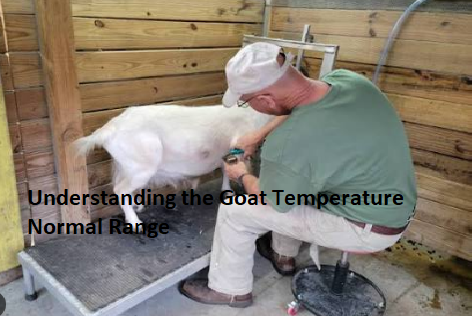
Technique is equally important to ensure the safety of both the handler and the goat. Secure the animal firmly, perhaps using a stanchion or by having a helper hold the goat’s collar and head. Gently lift the tail, apply the lubricant, and insert the thermometer about one inch into the rectum.
Never force the instrument, as this can cause injury to the delicate rectal tissue. Once the thermometer beeps, remove it carefully, record the number in your health log, and clean the device thoroughly with disinfectant.
Data Comparison Table for Health Assessment
To better understand how different conditions affect your herd, you can use the following table as a quick reference guide. Keep in mind that these categories are general indicators, and individual goats may vary slightly based on their health history.
| Condition State | Temperature Range (°F) | Common Behavioral Signs |
|---|---|---|
| Normal (Adult) | 101.5°F – 103.5°F | Alert, eating, chewing cud |
| Mild Fever | 103.6°F – 104.5°F | Reduced appetite, slight lethargy |
| High Fever | Above 104.5°F | Depression, nasal discharge, shivering |
| Hypothermia | Below 101.0°F | Extreme weakness, cold extremities |
Creating a Preventative Health Routine
Integrating regular temperature checks into your routine will make you much more effective at spotting health issues early. You do not need to take every goat’s temperature daily, but you should perform spot checks on any animal that seems “off” or is acting unusually quiet.
If you notice a drop in milk production or a change in cud-chewing habits, that is the time to reach for your thermometer. Being proactive allows you to address minor infections before they escalate into life-threatening emergencies.
Consider maintaining a simple record-keeping system for your herd. A small notebook or a digital spreadsheet can track the following information:
-
- Date and time of the reading
-
- Specific goat identification number
-
- Recorded temperature
-
- Observed symptoms or behavioral notes
-
- Any administered treatments or medications
This data becomes invaluable when you need to consult a professional.
Providing a vet with a history of temperature fluctuations is far more helpful than simply stating that the goat “seems sick.” It allows them to see the progression of the condition and make a much more accurate diagnosis.
Frequently Asked Questions
Is it normal for my goat to have a temperature of 104°F on a hot day?
It can be, but you should treat it with caution. If the ambient temperature is very high, the goat’s body temperature may rise as they struggle to cool down. Move them to a shaded, breezy area, provide cool water, and check them again in an hour to see if the reading has returned to the normal range.
How do I know if a fever is caused by an infection?
Fever is the body’s natural immune response to pathogens like bacteria or viruses. While the thermometer confirms the fever, you should look for other symptoms like coughing, nasal discharge, diarrhea, or swelling. A fever accompanied by these signs almost always points to an underlying infection that requires veterinary intervention.
What should I do if my goat’s temperature is below 101°F?
Low body temperature is a sign of system failure or severe environmental stress. You must warm the animal immediately using blankets, a heat lamp, or by moving them to a climate-controlled room. If the goat is also unable to stand or swallow, seek emergency veterinary care, as they may require IV fluids and aggressive warming.
Can I use a human ear thermometer for my goat?
No, human ear thermometers are not accurate for goats. The anatomy of a goat’s ear is different, and the presence of hair and wax will cause the sensor to give incorrect readings. Always use a digital rectal thermometer for the most reliable, actionable data.
How often should I check my goats’ temperatures?
You do not need to check healthy goats regularly, as this causes unnecessary stress. Reserve temperature checks for instances where you notice a change in behavior, such as a loss of appetite, isolation from the herd, or physical signs of illness. Familiarizing yourself with their “normal” when they are healthy will make it easier to identify when they are sick.
Managing Herd Health Through Vigilance
Understanding the goat temperature normal range is one of the most effective tools in your animal husbandry kit. By knowing what constitutes a healthy baseline and how to accurately interpret deviations, you transform from a passive observer into an active participant in your animals’ well-being. Remember that temperature is only one piece of the puzzle; always consider the goat’s behavior, appetite, and environment when making health decisions.
Consistent record-keeping and a calm, methodical approach to monitoring will help you maintain a productive and healthy herd for years to come. When in doubt, prioritize professional veterinary advice to ensure the best possible outcome for your animals.
