

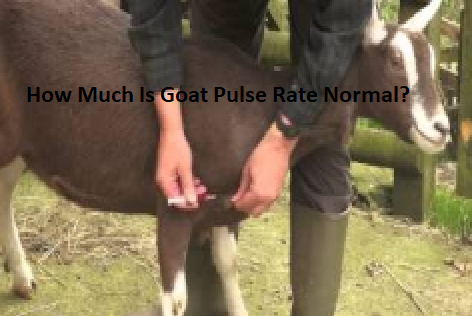
Understanding whether a goat pulse rate normal range is being met serves as a primary indicator of your animal’s overall health. When you monitor these vital signs regularly, you gain a baseline that helps you identify potential illnesses before they become severe. This information is essential for anyone responsible for the day-to-day care of caprine herds.
For an adult goat, the standard resting heart rate typically falls between 70 and 90 beats per minute. While these figures are widely accepted by veterinary professionals, individual variations occur based on age, stress, and activity levels. A healthy animal should display a steady, rhythmic heartbeat that returns to this range within minutes of exercise.
Determining the Standard Resting Heart Rate
The baseline for a healthy adult goat is generally cited as 70 to 90 beats per minute. This range represents the cardiovascular efficiency required to maintain metabolic functions while the animal is at rest. If your goat is lying down or standing quietly in a stall, you should expect to see numbers within this window.
Age plays a significant role in where your goat falls on this spectrum. Kids, or baby goats, often exhibit a faster heart rate than mature adults due to their smaller heart size and higher metabolic demand. It is common to see a kid’s resting pulse reach up to 100 or even 120 beats per minute without indicating a health crisis.
Environmental factors also influence these numbers significantly. Extreme heat can cause a goat to pant and increase its heart rate as it attempts to regulate body temperature. Conversely, a goat that is frightened by a predator or a loud noise will naturally experience a temporary spike in pulse.
Techniques for Accurate Pulse Measurement
To check a pulse on a goat effectively, you must know where to place your fingers. The most reliable site for palpation is the femoral artery, located on the inside of the rear leg near the groin area. You can also attempt to feel the heart beating directly against the chest wall, just behind the left elbow.
Use your index and middle fingers to apply gentle pressure, as using your thumb may cause you to feel your own pulse instead. Count the number of beats you feel over a period of 15 seconds, then multiply that number by four. This calculation provides you with the beats per minute required for an accurate assessment.
Consistency in your measurement technique is vital for tracking changes over time. Always try to check your goats when they are calm, such as during morning feeding or while they are resting in the shade. If you are struggling to find a pulse, you may need to adjust the amount of pressure you are applying to the skin.
Factors Influencing Heart Rate Variability
Several external and internal variables can shift a goat’s heart rate outside of the standard range. Stress is perhaps the most common cause of a temporary elevation in pulse. Veterinary visits, transport, or the introduction of a new herd member can cause an animal to remain in a state of high alert.
Physical exertion is another obvious factor that shifts the pulse rate. After a period of running or climbing, a goat’s heart rate will naturally climb well above the resting baseline. You should observe the animal for a few minutes after the activity ends to see if the heart rate begins to descend.
Dehydration and electrolyte imbalances can also lead to cardiac irregularities. Goats that do not have access to fresh water or proper mineral licks may experience heart rate fluctuations. Poor hydration forces the heart to work harder to pump thicker, less fluid blood throughout the body.
Comparing Vital Signs Across Livestock
Understanding how caprine vitals compare to other common farm animals helps provide context for your observations. While a goat pulse rate normal range is fairly specific, other species have different physiological requirements. The following table provides a general comparison of resting heart rates for common livestock species.
| Animal Species | Average Resting Heart Rate (BPM) |
|---|---|
| Goat (Adult) | 70–90 |
| Sheep (Adult) | 70–80 |
| Cow (Adult) | 40–80 |
| Horse (Adult) | 30–45 |
As the data shows, goats and sheep share similar cardiovascular requirements. Cows and horses, being much larger, possess hearts that beat significantly slower to move blood through their larger frames. Recognizing these differences is helpful if you manage a mixed-species homestead.
Identifying Signs of Cardiovascular Distress
When a goat’s pulse consistently stays outside the expected range, you must investigate the underlying cause. A pulse that is consistently high at rest, known as tachycardia, may indicate pain, fever, or severe infection. If you notice this, check the animal’s temperature and look for other symptoms.
A heart rate that is too low, or bradycardia, is less common but can be just as concerning. This may point to issues such as severe hypothermia, toxic ingestion, or metabolic collapse. In either scenario, you should consult with a veterinarian to rule out serious underlying pathology.
Other physical signs of distress include shallow or rapid breathing, lethargy, and a loss of appetite. If you observe these symptoms alongside an abnormal heart rate, the animal requires immediate attention. Keeping detailed health logs for your herd can help you identify these trends before they become life-threatening.
Importance of Routine Health Monitoring
Establishing a routine for checking vital signs allows you to become familiar with your goat’s personal baseline. Some healthy goats may naturally sit at the lower end of the spectrum, while others are consistently higher. Knowing what is normal for your specific animal is more useful than relying solely on general averages.
Regular monitoring also makes your goats more comfortable with handling. When you perform health checks as part of a daily or weekly routine, the animals are less likely to panic. A calm goat provides a much more accurate pulse reading than one that is stressed by human contact.
You should consider keeping a simple health record for each goat in your herd. This log should include notes on heart rate, respiratory rate, and temperature. Over time, you will build a dataset that helps you spot subtle changes in health that you might otherwise miss.
Key Indicators of General Caprine Health
In addition to monitoring the pulse, you should pay attention to other indicators of vitality. A healthy goat should have bright, clear eyes and a clean, glossy coat. They should also be active, chewing their cud regularly and interacting with the rest of the herd.
Common vital signs that go hand-in-hand with pulse rate include:
-
- Respiratory rate, which should be between 15 and 30 breaths per minute.
-
- Rectal temperature, which typically ranges from 101.5°F to 103.5°F.
-
- Mucous membrane color, which should be pink and moist rather than pale or blue.
-
- Rumen motility, which should involve 1 to 2 contractions per minute.
If you notice a deviation in any of these areas, it is wise to re-evaluate the animal’s overall condition. For more information on assessing general livestock health, you can visit the Merck Veterinary Manual for professional guidance. Combining these observations gives you a complete picture of your goat’s current state.
Addressing Seasonal Health Challenges
Goats often face different physiological challenges depending on the time of year. During the winter months, your animals may expend more energy simply staying warm. This increased metabolic activity can sometimes lead to slightly higher heart rates as they burn calories to maintain body heat.
Summer presents the opposite challenge, as heat stress becomes a major concern. High humidity and direct sun can overwhelm a goat’s cooling mechanisms. If your goats are constantly panting, their heart rate will likely be elevated as the body works to dissipate heat.
Providing adequate shelter and shade is the best way to prevent seasonal health issues. Ensure your goats have access to dry bedding in the winter and cool, well-ventilated areas in the summer. Managing the environment is the most proactive step you can take to keep their vital signs stable.
FAQ: Common Questions on Goat Health
Is a pulse of 120 beats per minute always a sign of illness?
Not necessarily. While 120 beats per minute is high for a resting adult, it is common in kids or in goats that have recently been active or stressed. If the pulse remains at 120 while the goat is lying down and calm, it may indicate a fever or pain.
Where is the best place to check a goat’s pulse?
The femoral artery on the inside of the upper rear leg is the most accessible spot. You can also feel for the heartbeat on the left side of the chest, just behind the elbow. Practice finding these spots when the goat is calm so you are ready during an emergency.
What is the normal respiratory rate for a goat?
A healthy adult goat typically breathes between 15 and 30 times per minute while at rest. Like the heart rate, this can fluctuate based on ambient temperature and activity levels. Always count the breaths by watching the rise and fall of the chest over a full minute.
Do different breeds have different normal heart rates?
While breed size can influence metabolic needs, the general cardiovascular range remains consistent across most goat breeds. You should focus more on the individual goat’s established baseline than on breed-specific charts. A healthy pygmy goat and a healthy Boer goat should both generally fall within the standard range.
How do I know if my goat is in pain?
Goats are stoic animals and often hide signs of pain until it is quite severe. Indicators include grinding teeth, standing with a hunched back, isolating themselves from the herd, or an elevated heart rate. If you see these signs, it is time to consult a veterinarian.
Maintaining Long-Term Herd Wellness
The goal of monitoring your goat pulse rate normal range is to ensure the long-term vitality of your animals. By keeping regular records and observing your herd closely, you create a safer environment for them. You will notice problems early, which often makes treatment easier and more effective.
Remember that you are the first line of defense for your animals. Your ability to detect a change in their vital signs can be the difference between a minor issue and a major health crisis.
Stay diligent, keep your records, and don’t hesitate to seek professional help when you are unsure about what you are seeing. Your attention to these small details is what makes you a successful and responsible goat owner.
