

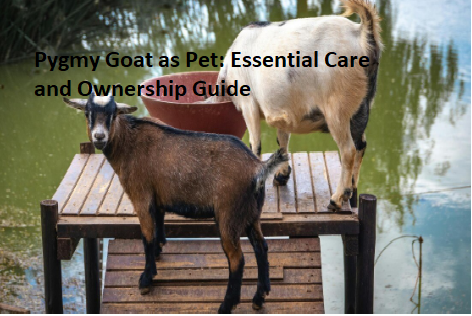
Choosing a pygmy goat as pet is a significant commitment that goes far beyond the appeal of their small stature and playful personality. These animals are herd creatures that require specific housing, social structures, and dietary management to thrive in a domestic environment.
Understanding the daily realities of their care—from local zoning laws to specialized veterinary needs—is the first step toward a successful relationship with these intelligent caprines. By preparing for their long-term health requirements and social needs, you can ensure your home provides a safe and stimulating environment for these unique, highly social animals.
The Reality of Keeping a Pygmy Goat as Pet
Pygmy goats are not suitable for indoor living and should never be treated as house pets in the traditional sense. While they are affectionate and bond deeply with their owners, their biological needs require an outdoor living space that includes a sturdy, weather-proof barn or shed.
They are ruminants, meaning they need constant access to forage, hay, and clean water, which is impossible to manage inside a standard home. Furthermore, goats are not house-trainable; they will defecate and urinate wherever they happen to be, making indoor containment a sanitary nightmare for any owner.
Most people who successfully maintain a pygmy goat as pet live on property zoned for livestock or agricultural use. You must check your local municipal codes or homeowners association bylaws before bringing them home, as many suburban areas strictly prohibit keeping hooved animals.
If you live in an area that permits them, you need at least a small pasture with secure, high-quality fencing. Goats are notorious escape artists and can easily clear a standard four-foot fence if they are bored or hungry.
Socialization and Herd Dynamics
The most critical rule of goat ownership is that you must never keep a single goat. These animals are strictly herd-oriented and suffer from severe psychological distress, depression, and health problems when isolated.
A solitary pygmy goat will often become destructive, loud, and aggressive as it attempts to find or call for other goats. You should always adopt at least two goats, preferably a pair that is already bonded, to ensure they have the companionship they instinctively crave.
When you bring a pygmy goat as pet into your life, you are becoming a member of their social structure. They are highly intelligent, curious, and capable of learning their names, following their owners, and performing simple tricks.
However, they can also be stubborn and pushy if they are not trained with consistent boundaries from a young age. Early socialization with humans helps prevent them from becoming overly “head-butty,” a common behavior where they use their horns or heads to assert dominance.
Financial Breakdown of Ownership
The initial purchase price for a goat is often the smallest part of the total investment. While you might find a kid for $150 to $300, the recurring costs for feed, medical care, and infrastructure quickly add up.
You must account for the cost of quality hay, mineral supplements, and routine vaccinations to keep your animals healthy. Below is a breakdown of the typical annual expenses associated with maintaining a healthy, happy pair of pygmy goats.
| Expense Category | Estimated Annual Cost |
|---|---|
| Quality Grass Hay | $400 – $600 |
| Routine Veterinary Care | $150 – $300 |
| Minerals and Supplements | $100 – $150 |
| Bedding and Straw | $200 – $300 |
| Emergency Fund | $300+ |
Housing and Environmental Requirements
Your goats require a dry, draft-free shelter that protects them from extreme heat, rain, and snow. Goats despise getting wet and will often refuse to leave their barn during a light drizzle, so the structure must be large enough for them to pace and play comfortably.
A standard rule of thumb is at least 15 to 20 square feet of interior space per goat. The floor should be covered in a clean, absorbent material like wood shavings or straw, which must be cleaned out regularly to prevent hoof rot and parasite buildup.
Beyond the shelter, the outdoor space must be equipped with enrichment features to keep the animals mentally stimulated. Pygmy goats love to climb and jump, so providing sturdy platforms, stumps, or wooden spools is essential for their physical health.
If you do not provide these, they will likely turn your garden furniture, vehicles, or siding into their personal jungle gym. Secure fencing is non-negotiable; heavy-duty welded wire or livestock panels are usually the only materials strong enough to withstand their persistent curiosity.
Nutritional Needs and Dietary Management
Feeding a pygmy goat as pet involves more than just tossing them table scraps or lawn clippings. Their digestive systems are highly sensitive to sudden changes in diet, which can lead to life-threatening conditions like bloat or urinary calculi.
The foundation of their diet should be high-quality grass hay, such as Timothy or orchard grass, available 24/7. Avoid feeding them excessive amounts of “rich” alfalfa hay, which can lead to obesity and mineral imbalances in sedentary pets.
Clean water is perhaps the most overlooked aspect of goat nutrition. Goats are notoriously picky about their water quality and will refuse to drink from a trough that has become fouled with dirt or debris.
You must scrub and refill their water buckets daily to ensure they stay hydrated, especially during the hot summer months. For more information on maintaining healthy livestock, you can consult the United States Department of Agriculture Animal and Plant Health Inspection Service for guidelines on best practices.
* Always provide a loose mineral mix specifically formulated for goats.
* Avoid feeding them toxic plants like azaleas, rhododendrons, and foxgloves.
* Limit grain intake to small, supplemental amounts for training or health needs.
* Ensure they have constant access to a salt block or mineral feeder.
Veterinary Care and Health Maintenance
Finding a veterinarian who treats “small ruminants” is a task you must complete before you purchase your goats. Many small-animal clinics that focus exclusively on cats and dogs will not have the experience or equipment to treat a goat.
You need a vet who understands the specific parasite loads, vaccination schedules, and metabolic diseases that affect caprines. Regular deworming protocols are essential, as goats are highly susceptible to internal parasites that can cause anemia and rapid weight loss.
Hoof trimming is another mandatory chore that you will need to learn or hire a professional to perform. A goat’s hooves grow continuously, similar to human fingernails, and will become painful and deformed if left untrimmed.
Most owners find that trimming every 6 to 8 weeks keeps the hooves in good condition and prevents lameness. You should also keep a basic medical kit on hand that includes a thermometer, antiseptic spray, and electrolytes for times of illness.
Common Challenges for New Owners
One of the most frequent surprises for new owners is the sheer volume of noise and activity a pygmy goat brings to a property. They are vocal creatures that will bleat loudly when they are hungry, lonely, or simply excited to see you.
If your neighbors are sensitive to noise, this can lead to significant friction, especially if the goats are left alone for long periods. Additionally, their curiosity often leads them to eat landscaping, flowers, and even tree bark, which can destroy a well-maintained garden in a matter of days.
Managing their behavior requires a firm but gentle hand, as they are smart enough to manipulate their owners for treats. If you allow them to jump on you when they are small, they will continue to do so when they are fully grown, which can be dangerous for children or elderly visitors.
Setting clear boundaries early—such as refusing to hand-feed them treats from your palm—prevents aggressive “pushy” behaviors. Consistency among all family members is the only way to maintain a respectful and safe relationship with your goats.
Frequently Asked Questions
Are pygmy goats good house pets?
No, pygmy goats are not suitable for house pets. They cannot be house-trained, they require constant access to grazing, and their social needs are best met in an outdoor herd environment with proper shelter.
How much do pygmy goats cost?
The initial purchase price typically ranges from $150 to $300 per animal. However, you must also budget for initial housing, fencing, and ongoing monthly costs for hay, minerals, and veterinary care, which can easily exceed $1,000 per year.
Can pygmy goats be left alone?
No, you should never keep a single pygmy goat. They are herd animals that experience severe stress and health issues when isolated, so they must be kept in groups of at least two or more.
Do pygmy goats bond with humans?
Yes, they are very social and intelligent animals. With consistent interaction and positive reinforcement, they can learn their names, follow their owners, and become very affectionate companions.
What do I do if my goat eats my garden?
Goats are natural browsers and will eat almost any plant they can reach. The only effective way to protect your garden is to install high-quality, goat-proof fencing that separates their grazing area from your ornamental plants and trees.
Taking the Next Steps
Bringing a pygmy goat as pet into your home is a rewarding experience for those who are prepared for the work involved. These animals offer a unique blend of personality, curiosity, and charm that few other pets can match. Before you commit, visit a local farm or a reputable breeder to spend time with the animals in their natural environment.
This hands-on experience will help you decide if you are ready to handle the daily feeding, cleaning, and social requirements of these energetic creatures. If you find you have the space, the resources, and the patience for their quirks, you will likely find that the joy of keeping goats far outweighs the effort. Start by securing your property and finding a local veterinarian, and you will be well on your way to a successful start.
