

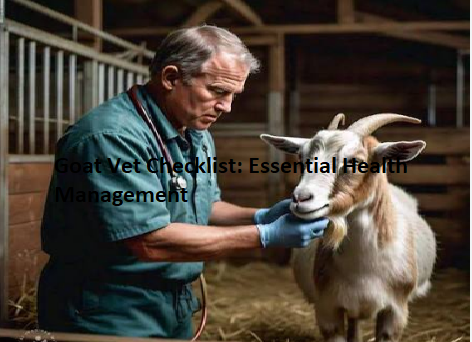
Maintaining the health of your herd requires a systematic approach, and using a reliable goat vet checklist is the most effective way to ensure no critical detail is overlooked. By tracking vaccinations, parasite control, and routine physical exams, you can catch health issues before they become life-threatening emergencies.
The primary items to include on your goat vet checklist are a current record of CD&T vaccinations, a deworming schedule based on FAMACHA scores, and a log of hoof trimming dates. You should also maintain a digital or paper file containing your veterinarian’s emergency contact information, the last dates of testing for CL, CAE, and Johne’s disease, and a list of all medications administered to each animal. Keeping these records in one place allows for quick decision-making when you suspect an illness.
Routine Preventive Health Measures
Preventive care is the cornerstone of successful goat management. You should aim to schedule a farm visit with your veterinarian at least twice a year to perform a general wellness exam on the entire herd. During these visits, the vet can assess body condition scores, check for signs of chronic illness, and review your internal parasite management strategy.
Vaccinations are non-negotiable for a healthy herd. Most owners follow a standard protocol for Clostridium perfringens types C and D, combined with Tetanus, commonly known as the CD&T vaccine.
Kids typically receive their first dose at 4 to 8 weeks of age, followed by a booster four weeks later. Adult goats require an annual booster to maintain immunity against these common, often fatal, soil-borne bacteria.
Internal Parasite Management Strategies
Parasites, particularly the barber pole worm (Haemonchus contortus), represent the number one health threat to small ruminants in many regions. Your goat vet checklist must include a structured plan for monitoring fecal egg counts and utilizing the FAMACHA system. This method involves checking the color of the lower eyelid’s mucous membranes to determine the level of anemia.
Never deworm your entire herd at once without evidence of a high parasite burden. Over-reliance on chemical dewormers has led to widespread drug resistance, making some products ineffective on many farms.
Instead, perform targeted selective treatment, which means you only treat the specific animals that show clinical signs of infestation. This approach preserves the efficacy of your medications for when they are truly needed.
Reproductive Health and Breeding Care
If you are breeding goats, your veterinary checklist should expand to include pre-breeding and pre-kidding health assessments. A buck should undergo a breeding soundness exam to ensure his fertility and physical ability to mate. For does, you must track their nutritional status to prevent pregnancy toxemia, a metabolic disorder that occurs in late gestation.
You should consult your veterinarian about the timing of routine pregnancy checks, which can often be performed via ultrasound as early as 30 to 45 days after breeding. Maintaining a clean kidding environment is another essential task, as neonatal deaths are often linked to contaminated birthing areas. Having a kidding kit ready with sterile supplies, iodine for umbilical cords, and colostrum replacer is a standard practice for responsible breeders.
Recognizing Signs of Illness Early
Goats are prey animals and are experts at hiding signs of pain or discomfort until they are quite ill. Developing a keen eye for subtle behavioral changes is essential for any owner. A sick goat may separate itself from the herd, stop chewing its cud, or show a noticeable decrease in appetite.
Always keep a thermometer on hand to check for a fever, as this is often the first indicator of an infection. A normal temperature for a goat ranges from 101.5°F to 103.5°F.
If you notice a temperature outside this range, or if the animal shows signs of respiratory distress, diarrhea, or unusual lethargy, consult your professional immediately. You can find more detailed information on clinical signs and diagnostic resources at the Merck Veterinary Manual, which serves as a standard reference for livestock health.
Essential Medical Records and Documentation
Every goat on your property should have a dedicated health file. This file acts as a history book, allowing you and your vet to see patterns in illness or response to treatment over time. Your records should include the following data points for every individual animal:
- Unique identification (ear tag, tattoo, or microchip)
- Full vaccination history with dates and batch numbers
- Dates and dosages of all administered dewormers
- Reproductive history, including breeding dates and kidding complications
- Results of any blood tests for CAE, CL, or Johne’s disease
- Record of any surgeries, injuries, or chronic condition treatments
Comparing Common Goat Health Issues
Understanding the difference between common ailments helps in communicating effectively with your veterinarian. Being able to describe symptoms accurately allows your vet to provide better guidance over the phone before they even arrive on the farm.
| Health Condition | Primary Symptom | Common Treatment |
|---|---|---|
| Coccidiosis | Diarrhea/Weight loss | Amprolium or Sulfas |
| Foot Rot | Lameness/Foul odor | Hoof trimming/Antibiotics |
| Bloat | Distended abdomen | Antacids or tubing |
| Pneumonia | Coughing/Fever | Antibiotics/Supportive care |
Managing Herd Biosecurity
Biosecurity is the practice of preventing the introduction of disease onto your farm. Every new goat entering your property should be quarantined for at least 30 days.
During this time, they should not have nose-to-nose contact with your established herd. This is the perfect time to perform blood tests for common, contagious diseases that do not show immediate symptoms.
During quarantine, you should also observe the animal for any signs of external parasites like lice or mites. If found, treat these promptly to avoid spreading them to your healthy goats. Establishing this protocol is the single best way to protect the long-term investment you have made in your livestock.
Frequently Asked Questions
How often should I check my goats for parasites?
You should perform a FAMACHA check on your goats every two weeks during the peak grazing season. In high-risk areas, monthly fecal egg counts are recommended to monitor the parasite load in the pasture and the efficacy of your management strategy.
What is the number one cause of death in goats?
While it varies by region and management, complications from internal parasites like barber pole worms are consistently cited as a leading cause of death. Other significant factors include respiratory diseases such as pneumonia and metabolic issues related to poor nutrition.
Do I need a vet to check my goat before breeding?
While not strictly required by law, having a vet perform a breeding soundness exam on your buck is highly recommended. It ensures the male is physically capable and fertile, which saves time and prevents wasted breeding seasons.
What are three signs of a sick goat?
The three most common signs include a change in appetite, isolation from the rest of the herd, and a lack of rumination. If a goat is not chewing its cud or refuses to eat, it is likely experiencing a health emergency that requires immediate attention.
What equipment is essential for a goat medical kit?
Your kit should include a digital thermometer, lubricant for rectal temperatures, a stethoscope for listening to gut sounds, antiseptic spray for wounds, and basic syringes or needles. You should also keep a supply of electrolytes and a high-quality colostrum replacer on hand for emergencies.
Final Management Recommendations
Managing a healthy herd is a continuous process of observation and record-keeping. By consistently using a goat vet checklist, you transform your approach from reactive to proactive, which significantly improves the longevity and productivity of your animals. Always prioritize the relationship with your local veterinarian, as their professional guidance is the most valuable asset you have when dealing with complex health issues.
Start by organizing your current records today, and you will find that managing your herd becomes a much more manageable and rewarding experience. Regular updates to your documentation ensure that you are prepared for whatever challenges arise throughout the year.
