

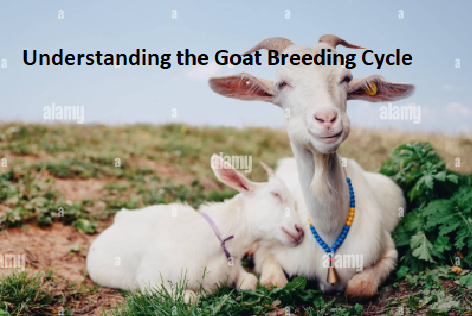
Understanding the goat breeding cycle is essential for any producer aiming to manage herd productivity and ensure animal welfare. By tracking the physiological rhythms of your does and bucks, you can better predict kidding windows and optimize nutritional support throughout the year. This cycle dictates everything from seasonal hormone fluctuations to the specific management tasks required during gestation and lactation.
Mastering these biological patterns allows for more efficient farm operations and healthier outcomes for your animals. Whether you are managing a small homestead herd or a larger commercial operation, recognizing the subtle signs of estrus and understanding the timeline of pregnancy is the foundation of successful livestock management.
The average goat breeding cycle typically spans a 21-day window, during which a doe will be in standing heat for roughly 12 to 36 hours. Most goats are seasonal breeders, meaning they respond to decreasing daylight hours in the autumn months to trigger ovulation. While some breeds, such as the Nubian or Kinder, may exhibit signs of heat year-round, the vast majority of goats follow this photoperiodic shift.
If conception occurs, the gestation period lasts approximately 150 days. This means that if you introduce your buck in September, you can expect the first arrivals in early February.
Seasonal Influences on Breeding
Most goat breeds are considered short-day breeders. As the days grow shorter during the late summer and early autumn, the pineal gland in the brain begins to produce more melatonin.
This hormonal shift signals the reproductive system to begin cycling. You will notice increased activity in both bucks and does as the transition into the breeding season begins.
In temperate climates, the peak of this activity usually occurs between August and January. If you attempt to breed outside of this window, you may find that the doe does not ovulate or the buck’s sperm quality is significantly lower.
Some producers use light manipulation in barns to trick goats into cycling earlier in the season. By keeping lights on for 16 hours a day and then abruptly cutting them back, you can sometimes force a shift in the cycle.
However, relying on natural seasonal cues is generally more successful for beginners. It aligns the kidding period with the natural flush of spring grass, which is the most nutritious time for a doe to begin producing milk. Managing your herd to match this natural cycle reduces the need for expensive stored feed during the early stages of lactation.
Identifying Signs of Estrus
Recognizing when a doe is in heat is the most critical skill for a goat keeper. A doe in estrus will often become restless, vocalize more frequently, and seek out the buck if he is nearby.
You might observe her tail wagging persistently, a behavior known as “flagging.” Her vulva may appear slightly swollen or red, and you might notice a thin, clear discharge.
The most reliable indicator is the “standing heat” response. When a buck is present, a doe in heat will stand still and allow him to mount her.
If she is not yet ready, she will often move away or act aggressively toward the buck. It is helpful to keep a record of these dates in a notebook or on a digital calendar to predict her next cycle.
If you do not have a buck on the property, you can use a “teaser” buck or simply watch for the behavioral changes mentioned above. Some producers use marking harnesses on their bucks to leave a colored wax mark on the doe’s back. This provides clear, visual evidence of successful mounting that you might miss if you are not watching the pen 24 hours a day.
Gestation Milestones and Care
Once conception is confirmed, the gestation period officially begins. This phase lasts an average of 145 to 155 days, depending on the breed and the number of kids carried.
During the first trimester, nutritional requirements remain relatively stable, but you must ensure the doe is in a good body condition score. Avoid sudden changes in diet or environment during this time to prevent stress-induced abortion.
As the pregnancy enters the second and third trimesters, the nutritional demands increase significantly. The developing fetuses grow rapidly in the final six weeks, which requires a boost in protein and energy intake.
Providing high-quality alfalfa or legume hay helps meet these requirements without overloading the digestive system. You should also ensure that high-quality mineral supplements are always available.
Monitoring body condition is vital throughout the pregnancy. A doe that is too thin may struggle during birth, while one that is too fat can face complications like pregnancy toxemia.
You can consult the eXtension goat resources for detailed guidance on nutritional requirements for pregnant does. Keeping a watchful eye on her movement and appetite will help you spot early signs of distress.
Managing the Buck’s Role
The buck is just as important as the doe in the breeding cycle. He should be kept in good physical shape, as the breeding season is physically demanding.
A single mature buck can comfortably handle 30 to 50 does during a single season. If you have a larger herd, you may need to rotate bucks or use artificial insemination to ensure all does are covered.
You must perform a breeding soundness exam before introducing the buck to the herd. This includes checking his feet, teeth, and general body condition, as well as ensuring he is free of infectious diseases. A buck with a sore foot or a parasite load will have little interest in breeding, which can lead to a missed cycle for your entire group of does.
Keep in mind that bucks can be aggressive during the rut. They often exhibit “flehmen” behavior, curling their upper lip to detect pheromones in the air.
They may also urinate on their own faces and front legs to attract females. This behavior is completely normal, though it can be quite pungent for the human caretaker.
Factors Affecting Fertility Rates
Several variables influence how successful your breeding season will be. Age is a primary factor; a doe usually reaches sexual maturity between 5 and 7 months, but waiting until she has reached 70% of her mature body weight is safer for her long-term health. Breeding a doe that is too young or too small can lead to difficult births and stunted growth.
Nutrition is the second major factor. A process known as “flushing” involves increasing the energy intake of does about 3 weeks before the breeding season starts.
This can lead to a higher rate of ovulation and, consequently, a higher rate of twinning. Leaner does respond better to flushing than those that are already over-conditioned.
Environmental stressors also play a role. Extreme heat, excessive rain, or a lack of secure shelter can disrupt the hormonal balance of the herd.
Goats are sensitive animals and prefer a consistent, quiet environment. If you are moving them to new pastures or introducing new animals, try to do so well before the breeding season begins.
Record Keeping and Data
Success in goat breeding is rarely accidental. It requires meticulous record keeping.
You should maintain a folder for every doe that includes her birth date, previous kidding history, and any health issues she has faced. Tracking the exact date of breeding is the only way to accurately estimate the due date.
| Stage of Cycle | Typical Duration | Primary Focus |
|---|---|---|
| Estrus (Heat) | 12–36 Hours | Observation and breeding |
| Estrous Cycle | 18–22 Days | Tracking for repeat cycles |
| Gestation | 145–155 Days | Nutrition and health monitoring |
| Lactation | 3–6 Months | Milk production and kid growth |
Using a breeding chart or a simple spreadsheet helps you prepare for the busy kidding season. You can organize your tasks by preparing kidding stalls, gathering supplies like iodine and towels, and ensuring you have colostrum replacer on hand. When you know exactly when a doe was bred, you are never caught off guard by a birth in the middle of the night.
Common Challenges for Breeders
Even with the best planning, complications can arise. Some does may cycle silently, meaning they show no outward signs of heat.
If you have a group of does that have not conceived, consider introducing a buck or a wether that has been treated with hormones to jumpstart their cycle. This is often called the “buck effect.”
Another common issue is the “repeat breeder,” a doe that repeatedly fails to conceive despite being bred at the correct time. This can be caused by sub-clinical infections, hormonal imbalances, or even nutritional deficiencies. If a doe fails to conceive after three cycles, it is often best to cull her from the breeding program to avoid wasting resources.
Finally, always be prepared for reproductive health issues like pseudopregnancy, often called “cloudburst.” In this scenario, the doe shows all the signs of pregnancy but is not actually carrying kids.
She may eventually pass a large amount of fluid, but no kid will appear. This is a frustrating but relatively common occurrence in dairy goat breeds.
Breeding for Specific Objectives
Your goals for the herd will dictate your breeding strategy. If you are raising meat goats, you want to select for growth rates, frame size, and twinning ability.
If you are focusing on dairy, you need to prioritize udder conformation, milk volume, and butterfat content. The breeding cycle is the perfect time to evaluate whether a specific doe still fits these objectives.
* Cull does that are consistently poor mothers.
* Keep replacements from your most productive lines.
* Rotate bucks every two to three years to prevent inbreeding.
* Maintain strict vaccination schedules for the entire herd.
* Monitor parasite loads during the high-stress period of late pregnancy.
By being intentional about which animals you breed, you improve the overall quality of your herd over time. Never keep a buck that shows temperament issues or poor physical traits, as he will pass those characteristics to every kid he sires. The cumulative effect of these small decisions is what defines the success of your operation.
Frequently Asked Questions
How many times can a goat give birth in a year?
Most goats give birth once per year. While some highly productive breeds or those under specialized management might kid more frequently, the standard is a 12-month interval to allow the doe time to recover and regain body condition.
What is the best month to start breeding?
In the Northern Hemisphere, late August through October is the standard window. This aligns with the natural photoperiod shift, ensuring higher conception rates and a spring kidding season when weather and forage conditions are optimal.
Can a three-month-old goat become pregnant?
Yes, it is biologically possible for a young doe to conceive at three months if she is exposed to an active buck. However, this is highly discouraged because the doe is not physically mature enough to support a pregnancy or give birth safely.
How many times does a male goat mate in one day?
A healthy, mature buck is capable of mating multiple times a day during the peak of the season. However, he should be monitored to ensure he does not become exhausted or lose too much weight, especially if he is servicing a large group of does.
What should I do if a doe does not show heat?
First, ensure she is in good health and has access to adequate minerals. If she is healthy, the introduction of a buck, even across a fence line, can often trigger the hormonal response needed to start her cycle.
Refining Your Breeding Strategy
Mastering the goat breeding cycle is a journey of observation and adjustment. By respecting the natural seasonal rhythms of your herd and providing the necessary nutritional and environmental support, you position yourself for successful kidding seasons year after year. Focus on accurate record-keeping, careful selection of breeding stock, and proactive health management to minimize risks.
As you gain experience, you will become more adept at spotting the subtle behavioral shifts that precede estrus and the physical changes that mark the progression of pregnancy. Consistent attention to these details will ultimately result in a healthier, more productive, and more resilient herd. If you remain patient and diligent, your efforts to manage the goat breeding cycle will pay off in the form of healthy, thriving kids and a stable, sustainable farming operation.
