

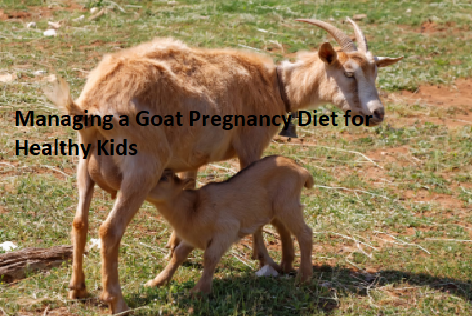
Managing a healthy goat pregnancy diet is the foundation for successful kidding and long-term herd health. Proper nutrition during the gestation period, which typically lasts about 150 days, ensures that the doe maintains her body condition while supporting the rapid development of one or more kids.
Producers often wonder exactly how much to adjust feeding regimes as the pregnancy progresses. During the first two trimesters, the nutritional requirements of a pregnant goat are remarkably similar to those of a non-pregnant doe.
The real shift in your goat pregnancy diet occurs during the final six weeks of gestation. This is when the majority of fetal growth happens, and the doe’s internal space for rumen capacity begins to decrease due to the size of the kids.
Nutritional Shifts During Gestation
For the first three months of pregnancy, you should maintain a steady, high-quality forage-based diet. Most does remain in good health on high-quality pasture or hay, provided they have access to a balanced loose mineral supplement. Overfeeding during this early stage can lead to excessive fat deposition, which complicates the birthing process later on.
The final trimester requires a targeted increase in energy density. Because the growing fetuses take up significant room in the abdomen, the doe cannot consume as much bulky forage as she normally would. You must compensate for this reduced volume by offering more nutrient-dense feed, such as high-quality alfalfa or a modest amount of grain.
Monitor the body condition score of your does regularly to ensure they aren’t losing too much weight. A score of 2.5 to 3.5 on a 5-point scale is generally considered ideal for a pregnant doe. If you notice a doe dropping below a 2, she needs immediate supplemental energy to support both her own health and the kids.
The Role of Protein and Energy
Protein is essential for the development of fetal tissues and the production of colostrum. Alfalfa hay is an excellent choice for a goat pregnancy diet because it provides both high protein levels and significant calcium. If you cannot source alfalfa, you may need to supplement with a higher-protein grain mix to reach the required levels.
Energy requirements spike during the last month of pregnancy. If the doe does not receive enough energy, she risks developing pregnancy toxemia, also known as ketosis. This metabolic condition occurs when the doe burns body fat too rapidly, leading to the accumulation of toxic ketones in the bloodstream.
You should aim to provide a diet that supports steady weight gain without causing obesity. Sudden changes in the diet can disrupt rumen microbes, so any introduction of concentrates or new types of hay should happen gradually over several days. Consistency in feeding times and types of feed helps keep the digestive system stable.
Essential Minerals and Vitamins
Minerals are often overlooked in the goat pregnancy diet, yet they are crucial for bone formation in kids. Calcium and phosphorus must be provided in the correct ratio, typically 2:1. An imbalance can lead to milk fever or other metabolic issues immediately after kidding.
Selenium and Vitamin E are particularly important for muscle development and preventing white muscle disease in newborns. In many regions, the soil is deficient in selenium, making it necessary to provide a high-quality, goat-specific mineral mix. Always use a loose mineral supplement rather than a block, as goats struggle to get enough intake from licking hard surfaces.
Copper is another vital trace element for goats, but it must be managed carefully. While goats have a higher copper tolerance than sheep, you should still ensure your mineral mix is formulated for goats to prevent toxicity. A proper mineral program ensures that the doe has the reserves needed for healthy milk production.
Calculating Feed Requirements
Determining the exact weight of feed depends on the doe’s size and the number of kids she is carrying. A doe carrying triplets will have significantly higher nutritional demands than one carrying a single kid. You can often determine the number of kids via ultrasound at around 40 to 60 days of gestation.
Use the following table as a general guideline for adjusting feeding levels during the final trimester. Note that these are estimations based on a standard 150-pound doe and should be adjusted based on the quality of your hay.
| Stage of Pregnancy | Energy Requirement | Recommended Supplementation |
|---|---|---|
| Months 1-3 | Maintenance | High-quality forage + free-choice minerals |
| Month 4 | Moderate Increase | Increase alfalfa or add 0.5 lbs grain daily |
| Month 5 | High Increase | 1-2 lbs grain daily + unrestricted alfalfa |
Always weigh your grain portions rather than measuring by volume. Using a scoop is notoriously inaccurate, and overfeeding grain can lead to acidosis or urinary calculi in some cases. Precision ensures you are meeting the doe’s needs without wasting resources or risking health problems.
Managing Water and Fiber Intake
Water is the most critical nutrient and is frequently ignored in the context of a goat pregnancy diet. A pregnant doe requires significantly more water to support amniotic fluid production and increased metabolic activity. Ensure that clean, fresh water is available at all times, as dehydration can cause the doe to stop eating, which triggers metabolic stress.
Fiber remains the backbone of the digestive system, even when grain is added to the diet. At least 50% to 70% of the diet should consist of long-stem forage. This fiber keeps the rumen functioning correctly and prevents the digestive upsets that can occur if a goat eats too much concentrate.
If you are using silage or haylage, be extra cautious about mold. Pregnant goats are highly sensitive to mycotoxins, which can lead to abortion or birth defects. Always inspect every bale of hay or bag of feed for signs of spoilage before offering it to the herd.
Recognizing Signs of Nutritional Stress
Even with a perfect goat pregnancy diet, environmental factors or sub-clinical health issues can cause stress. Watch for signs such as lethargy, a dull coat, or a sudden decrease in appetite. If a doe begins to grind her teeth or walk with a stiff gait, she may be experiencing the early stages of ketosis.
Keep a close eye on the herd during the final two weeks of gestation. If a doe appears sluggish, consider checking her temperature or consulting a veterinarian to rule out infections. Sometimes, the stress of the pregnancy itself is enough to suppress the immune system, making the doe more susceptible to parasites or respiratory issues.
Regular deworming programs are vital, as a heavy parasite load robs the doe of essential nutrients. Use a fecal egg count test to determine if deworming is necessary rather than treating blindly. Reducing the parasite burden ensures that every calorie consumed goes toward the doe and her kids.
Common Mistakes to Avoid
One common mistake is providing too much grain too early in the pregnancy. This leads to fat does, which are prone to dystocia, or difficult births. When a doe is too fat, the birth canal becomes restricted by internal fat deposits, often resulting in the need for human intervention.
Another error is failing to transition the diet after birth. The nutritional needs of a lactating doe are vastly different from those of a pregnant one. You should continue to provide high-quality nutrition to support milk production, but the specific balance of minerals and energy will need to shift again.
Avoid sudden environmental changes during the last few weeks of pregnancy. Moving a doe to a new pen or changing her herd mates right before kidding can cause enough stress to impact her intake. Keep her in a stable, familiar environment where she feels secure and comfortable.
Frequently Asked Questions
How can I tell if my goat is getting enough nutrients?
The best way to monitor your goat pregnancy diet is through regular body condition scoring. If the doe maintains a score between 3 and 3.5 and has a bright, alert demeanor, she is likely receiving adequate nutrition. You can also monitor the growth of her abdomen and the health of her coat.
Is it safe to change grain brands during pregnancy?
It is generally best to avoid changing feed brands or types during the final trimester. If you must switch, do it slowly over a period of at least 7 to 10 days. Mixing the old feed with the new in increasing proportions helps the rumen microbes adapt to the change without causing digestive upset.
What should I do if my pregnant goat stops eating?
A pregnant doe that stops eating is a medical emergency that requires immediate attention. It could indicate pregnancy toxemia, a digestive blockage, or an underlying infection. You should check her temperature and contact your local veterinarian for guidance, as the situation can escalate rapidly.
Do I need to feed pregnant goats differently based on breed?
While the basic principles of a goat pregnancy diet apply to all breeds, smaller or high-production dairy breeds may require more concentrated energy than hardy meat breeds. Dairy goats have been bred for high milk output, which places a heavier tax on their bodies during gestation. Always tailor the amount of grain to the individual doe’s size and breed requirements.
Where can I find more information on goat nutrition?
For in-depth research on the nutritional requirements of small ruminants, you can refer to the Department of Animal Sciences at Purdue University. They offer resources on livestock management that provide evidence-based guidelines for producers.
Optimizing Herd Success
Refining your approach to a goat pregnancy diet is a dynamic process that improves with experience. By tracking the body condition of your does and making incremental adjustments during the final trimester, you significantly increase the chances of healthy, vigorous kids. Remember that nutrition is not just about quantity but about providing the right balance of protein, energy, and essential minerals at the correct stage of development.
Keep detailed records of what you feed and how your does respond each year. These notes will become your most valuable resource for managing future pregnancies.
Whether you are dealing with a small backyard herd or a large commercial operation, the time invested in a proper diet pays off in reduced veterinary costs and higher survival rates. If you have specific concerns about your herd’s performance, don’t hesitate to consult with a professional nutritionist who specializes in small ruminants.
