

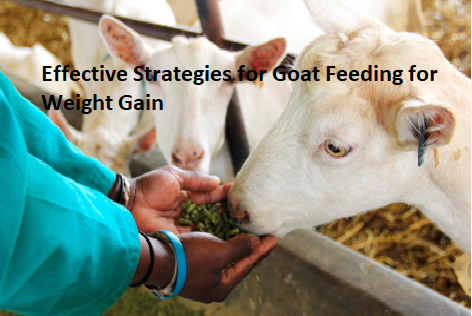
Achieving optimal body condition in livestock requires a nuanced approach, and mastering goat feeding for weight gain is essential for producers aiming to improve herd health or prepare animals for market. Successful weight management relies on balancing high-quality forage, concentrated energy sources, and proper health management to ensure nutrients are converted into muscle and fat rather than wasted.
By understanding the metabolic requirements of your animals, you can implement a targeted nutritional program that addresses deficiencies and promotes consistent, healthy growth. This process involves more than simply increasing feed volume; it requires a strategic combination of fiber, protein, and minerals tailored to your specific breed and age of goat.
The most effective way to help a goat gain weight is to provide a diet rich in high-quality protein and energy-dense concentrates while ruling out underlying health issues like internal parasites. Start by offering high-quality alfalfa hay, which provides the necessary protein and calcium to support muscle development and skeletal growth. Supplement this with a balanced grain ration, such as a mix of oats, barley, or corn, to increase the caloric density of their daily intake.
It is also critical to perform a fecal egg count to determine if a parasite load is preventing the animal from absorbing nutrients effectively. If the animal is healthy but underweight, gradually increasing the amount of high-energy feed over two weeks will allow the rumen to adapt without causing digestive upset.
Evaluating Nutritional Requirements
Every goat has unique nutritional needs based on its age, activity level, and physiological status. A growing kid requires a significantly higher protein percentage than a mature, dry doe, as their bodies are actively building new tissue and bone.
For weight gain, you should aim for a diet that contains at least 14% to 16% crude protein, which provides the building blocks necessary for muscle synthesis. You must also account for the energy density of the feed, as carbohydrates are the primary fuel source for weight gain in ruminants.
Monitoring body condition scores is the most reliable way to assess whether your feeding program is working. A score of 1 to 5 is standard, with 1 being emaciated and 5 being obese, and you should aim for a steady 3 to 3.5 for most production goats.
If your animals are scoring below a 2.5, they are likely not receiving enough energy to cover their maintenance requirements plus growth. Adjusting the diet requires careful observation of how they respond to changes in feed composition over a period of four to six weeks.
The Role of High-Quality Forage
Forage should always be the foundation of any feeding program, as it maintains the health of the rumen and ensures proper digestion. Alfalfa is widely considered the gold standard for weight gain due to its high protein content and digestibility compared to grass hays.
When selecting hay, look for fine-stemmed, leafy material that smells fresh and lacks signs of mold or dust. If high-quality alfalfa is unavailable, high-quality clover or a mix of legumes can serve as an excellent alternative.
You should provide free-choice access to high-quality hay at all times to keep the rumen active and digestion consistent. If the hay is poor quality, the goat will spend more energy chewing and digesting fiber than it receives in caloric return.
Supplementing with forage keeps the rumen pH stable, which is critical when you begin adding higher levels of grain to the diet. Always ensure that the transition to any new batch of hay is gradual to avoid sudden changes in the microbial population of the rumen.
Strategic Use of Concentrates
Concentrates are the fastest way to increase caloric intake, but they must be used with caution to avoid metabolic disorders. Grains such as oats, corn, and barley are energy-dense and can significantly boost weight gain when provided in moderate amounts.
Oats are particularly good for young goats because they are high in fiber and less likely to cause digestive issues than corn. Corn provides more energy per pound but should be introduced slowly to prevent acidosis, a condition where the rumen becomes too acidic.
When feeding grains, it is helpful to use a commercial goat-specific feed pellet, as these are formulated to balance the calcium-to-phosphorus ratio. Goats require a ratio of approximately 2:1 to prevent the formation of urinary calculi, a painful and often fatal condition in bucks.
You can find detailed nutritional guidelines for small ruminants through the University of Minnesota Extension small ruminant resources. Always ensure that the concentrate portion of the diet does not exceed 40% of the total dry matter intake to maintain long-term rumen health.
Managing Parasite Loads
A common reason for poor weight gain is the presence of internal parasites, particularly the stomach worm Haemonchus contortus. These parasites attach to the abomasum lining and feed on the goat’s blood, leading to anemia and poor nutrient absorption.
If a goat is eating well but failing to gain weight, you should suspect a parasite issue before increasing feed volume. Regular fecal testing is the only way to accurately assess the severity of an infection and determine if deworming is necessary.
Over-reliance on chemical dewormers has led to widespread resistance, making it vital to use them only when needed. Implementing a FAMACHA scoring system allows you to check the color of the mucous membranes in the eye, providing a visual indicator of anemia caused by worms.
If the eyelids are pale, the animal needs immediate attention, likely including an effective anthelmintic treatment. Proper pasture management, such as rotational grazing, also helps break the life cycle of parasites, reducing the burden on your animals.
Mineral Supplementation and Hydration
Minerals are the “spark plugs” of the metabolism, and without them, the body cannot effectively process the calories provided by forage and grain. Goats have specific requirements for copper, selenium, and zinc, which are often lacking in many soil types.
Providing a high-quality, loose mineral mix designed specifically for goats is superior to using a block, as blocks can be hard for goats to consume in sufficient quantities. Ensure the mineral mix is available 24/7 so the goats can self-regulate their intake based on their current needs.
Water is the most overlooked nutrient in livestock production, yet it is essential for digestion and nutrient transport. A goat that is not drinking enough water will limit its feed intake, leading to weight loss or stagnation.
Clean, fresh water should be available at all times, and you should scrub troughs regularly to prevent the buildup of algae and debris. During colder months, using a tank heater can encourage higher water consumption, which is critical for maintaining overall metabolic function.
Sample Feeding Comparison
Different feed types provide varying levels of energy and protein, which directly impacts the rate of weight gain. The following table compares common supplemental feeds used to improve body condition in goats.
| Feed Ingredient | Crude Protein (%) | Energy Density | Best Use Case |
|---|---|---|---|
| Alfalfa Hay | 15–18% | Moderate | Foundation fiber and protein |
| Whole Oats | 12–14% | High | Energy for growing kids |
| Cracked Corn | 8–9% | Very High | Rapid weight gain for finishing |
| Soybean Meal | 44–48% | Moderate | Protein supplement for poor forage |
Common Dietary Mistakes
Many owners inadvertently hinder weight gain by making sudden changes to the diet or feeding the wrong ratio of nutrients. A common mistake is providing too much grain too quickly, which can lead to “grain overload” or rumen acidosis.
This condition shuts down the digestive system, causing the goat to stop eating entirely and lose even more weight. Always implement a “step-up” program when introducing concentrates, increasing the amount by small increments over two weeks.
Another frequent error is failing to account for the energy cost of movement and competition. If goats are forced to walk long distances for food or have to compete aggressively for access to feeders, they will burn more calories than they consume.
Ensure there is enough bunk space so that every goat can eat comfortably at the same time without fighting. Removing the stress of competition allows the animals to focus on eating and resting, both of which are necessary for healthy weight gain.
Frequently Asked Questions
What is the best way to determine if my goat needs to gain weight?
The most accurate method is to use the body condition score (BCS) system. Feel the spine, ribs, and tail head of the goat; if these areas feel sharp with little to no fat covering, the animal is likely underweight. A score below 2 on a 5-point scale indicates the animal needs a nutritional intervention.
Why is baking soda sometimes recommended for goats?
Baking soda is a natural buffer that helps regulate the pH level within the rumen. If a goat consumes too much grain or experiences digestive upset, the rumen can become overly acidic, leading to health issues. Providing free-choice baking soda allows the goat to self-medicate and maintain a stable digestive environment.
How long does it take to see weight gain results?
Healthy weight gain is a gradual process that typically takes four to eight weeks to become noticeable. If you do not see improvements in body condition after six weeks of a consistent, high-quality diet, you should consult a veterinarian. Rapid weight gain is often unsustainable and can lead to metabolic health problems.
Can I use cattle feed to help my goats gain weight?
It is generally not recommended to use cattle feed, as it often contains urea or levels of minerals that are toxic to goats. Specifically, cattle feeds may lack the required copper levels or contain additives that are unsafe for small ruminants. Always use feed specifically formulated for goats to ensure the mineral balance is correct.
What are the signs of a serious parasite problem?
Look for bottle jaw, which is a soft swelling under the jaw, as well as pale eyelids and a rough, dull hair coat. Lethargy and diarrhea are also common indicators that a parasite load is causing significant damage. If you observe these symptoms, conduct a fecal test immediately rather than simply increasing the feed.
Essential Management Checklist
To maintain a successful program for goat feeding for weight gain, keep this checklist of practices in mind:
- Perform regular fecal egg counts to monitor parasite levels.
- Ensure at least 12 to 18 inches of bunk space per goat to reduce competition.
- Maintain a constant supply of loose, goat-specific mineral mix.
- Keep water troughs clean and free of debris at all times.
- Introduce any new grain source slowly over a 14-day period.
- Maintain a consistent schedule for feeding and daily health checks.
- Monitor body condition scores every two weeks to track progress.
Consistent management is the final pillar of success. By adhering to a routine, you minimize the stress that often leads to weight loss in small ruminants. Proper nutrition is not a static goal but a dynamic process that evolves with the animal’s life cycle.
Keep detailed records of your feed costs and the weight changes of your herd to identify which strategies yield the best return on your investment. As you refine your approach to goat feeding for weight gain, you will find that a healthy, well-fed herd is more resilient and productive. Focus on the basics of high-quality forage, balanced minerals, and parasite control to ensure your goats remain in peak physical condition throughout the year.
