

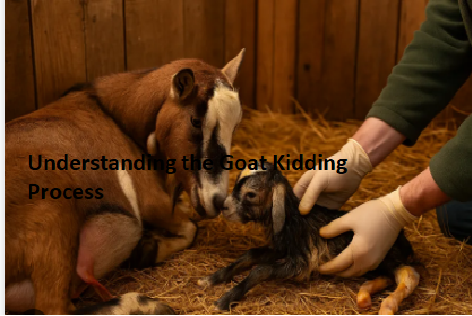
Managing the goat kidding process effectively requires careful observation, patience, and a basic understanding of mammalian biology. Whether you are a first-time owner or an experienced breeder, ensuring the safety of both the doe and her kids is the primary goal throughout the delivery. The gestation period for most goats typically lasts about 150 days, though individual variations are common.
Recognizing the specific physical and behavioral cues of approaching labor allows you to provide the necessary support or veterinary intervention when required. This guide explores the essential stages of birth, common warning signs, and the post-delivery care needed to ensure a healthy start for your new arrivals.
Timeline and Key Pregnancy Milestones
The goat kidding process officially begins long before the first contraction, starting with the physical changes that occur in the final weeks of gestation. You should keep accurate breeding records to calculate the expected due date, which generally falls between 145 and 155 days after conception.
During the final two weeks, the doe’s udder will begin to fill with colostrum, and her ligaments will start to soften significantly. You can check for this softening by feeling the tail head; if the area feels like loose skin rather than firm muscle, labor is likely approaching.
Monitoring these physical markers is crucial for preparation. When the ligaments completely relax, it often feels like the tail head has “disappeared” or become hollow. This is a primary indicator that the doe is within 24 to 48 hours of giving birth.
During this time, the doe may become restless, start pawing at the ground, or isolate herself from the rest of the herd. Providing a clean, dry, and draft-free kidding stall at this stage is essential to protect the kids from the elements and potential infection.
Identifying Active Labor
Active labor is characterized by visible physical effort and clear physiological changes. The first stage of labor involves the dilation of the cervix, which is often invisible but marked by increased restlessness and occasional bleating. You might notice the doe looking back at her flanks or frequently standing up and lying down as she experiences mild contractions.
Once the water bag—the amniotic sac—appears, the doe has entered the second stage of labor. This sac usually looks like a fluid-filled, translucent bubble protruding from the birth canal.
Do not intervene immediately when you see the water bag. It is a natural part of the goat kidding process that helps lubricate the birth canal for the kids. Once the bag ruptures, you should see the front feet of the kid appearing shortly after, followed by the nose resting on the legs.
If the doe is straining hard for more than 30 to 45 minutes without progress, it is time to perform a gentle assessment or call a veterinarian. Constant, unproductive straining is a sign of dystocia, or a difficult birth, which requires immediate attention to prevent exhaustion or injury.
Managing the Delivery
Most does handle the birth naturally without human assistance, but you must remain nearby to monitor the progress. If the kid is in the correct position—diving with two front feet and a nose—the delivery usually proceeds quickly once the head clears the vulva.
Once the kid is born, the doe will typically turn to lick it, which stimulates the kid’s breathing and circulation. This bonding process is vital for the survival of the newborn, as it clears mucus from the nostrils and keeps the kid warm.
If the doe fails to clear the mucus, you may need to step in and gently wipe the kid’s nose and mouth. You can use a clean towel to rub the kid briskly, which mimics the mother’s grooming and helps stimulate the respiratory system.
Check for the arrival of the placenta after the kids are born, as it should be expelled within a few hours. If the placenta is not passed within 12 hours, you should consult a veterinarian to prevent potential uterine infections or complications.
Essential Supplies for Kidding
Preparation is the best way to handle the unexpected challenges of the goat kidding process. Having a dedicated kit stored in a clean, accessible area ensures you are not scrambling for supplies when labor begins. You should maintain these items throughout the kidding season to ensure they remain sterile and functional.
- Clean, soft towels for drying newborns
- Iodine or chlorhexidine solution for disinfecting the umbilical cord
- Lubricant, specifically non-spermicidal, for internal exams
- Disposable gloves to maintain hygiene during assistance
- A bulb syringe for clearing fluids from the kid’s airway
- Colostrum replacer or a feeding tube in case the kid cannot nurse
- A notebook to record birth times and weights
Comparing Typical Kidding Scenarios
Understanding the difference between a normal delivery and one that requires intervention can be the difference between life and death for the kids. This table outlines the typical progression versus warning signs that demand immediate action.
| Stage | Normal Progression | Action Required |
|---|---|---|
| Early Labor | Restlessness, tail head softening | Move to private stall |
| Water Bag | Appears and ruptures naturally | Observe from a distance |
| Active Pushing | Kid born within 30-45 mins | Assess if no progress |
| Post-Birth | Doe cleans kid; placenta passes | Check umbilical cord |
Post-Delivery Care for Kids
Once the kids are on the ground, the priority shifts to ensuring they receive colostrum within the first hour of life. Colostrum is the nutrient-rich first milk that provides essential antibodies to protect the newborns from disease.
If a kid is too weak to stand or nurse, you must milk the doe and feed the colostrum via a bottle or syringe. This initial dose is critical because the kid’s ability to absorb antibodies decreases significantly after the first six hours.
You should also disinfect the umbilical cord with a 7% iodine solution to prevent bacteria from entering the bloodstream. This simple step significantly reduces the risk of “navel ill,” a common and dangerous infection in newborns.
Keep the newborns warm, especially if the weather is cold, using heat lamps if necessary, while ensuring they have enough space to move away from the heat source to avoid overheating. Monitor the kids for signs of hypothermia, such as shivering or lethargy, and adjust the environment accordingly.
Health Considerations for the Doe
The doe’s recovery is just as important as the health of the kids. Provide her with fresh, clean water and high-quality hay immediately after she has finished kidding. She will be exhausted and dehydrated, so encouraging her to drink is a top priority.
Some farmers offer a warm “molasses drench” to provide a quick energy boost and replace lost electrolytes. Watch for signs of milk fever, which can occur if the doe’s calcium levels drop too low during the production of milk.
Symptoms of milk fever include weakness, muscle tremors, and an inability to stand. If you notice these signs, contact a veterinarian immediately for calcium supplementation. You should also monitor the doe’s temperature and appetite over the next few days to ensure she is not developing mastitis or metritis.
Maintaining a clean, dry environment in the kidding pen prevents environmental pathogens from entering the doe’s reproductive tract while it heals. For further reading on health management, you can consult the United States Department of Agriculture animal health guidelines for livestock best practices.
Common Challenges and Complications
Even with the best preparation, the goat kidding process can sometimes present unexpected hurdles. Dystocia is the most common issue, often caused by the kid being positioned incorrectly, such as legs turned back or the head tucked down.
If you must assist, always wash your hands thoroughly and use plenty of lubricant to prevent tearing the sensitive tissues of the birth canal. Never pull on a kid with force; instead, wait for the doe to push and provide only slight traction to help the process along.
Another complication is a retained placenta, which occurs when the placenta does not detach from the uterus within 12 to 24 hours. Never pull on the placenta yourself, as this can cause severe damage to the uterus.
If the doe shows signs of fever or foul-smelling discharge, it indicates an infection that requires antibiotics prescribed by a professional. Early detection of these issues is vital, as infections can quickly turn systemic and threaten the life of the doe.
Frequently Asked Questions
How do I know if my goat is done kidding?
The doe will usually appear calm and begin focusing entirely on her kids once she is finished. If she has stopped straining and the kids are nursing, it is likely she has delivered everyone. Check her udder and belly to ensure there isn’t another kid, and monitor her for the passage of the placenta.
How soon can a goat get pregnant after kidding?
Technically, a goat can be bred again very shortly after giving birth, but it is highly discouraged. For the health of the doe, most breeders wait at least six to eight months before breeding her again. This allows her body to recover and ensures she remains in good condition for future pregnancies.
What are the most common signs of labor?
Common signs include a loose or hollow feeling at the tail head, a swollen and tight udder, and increased vocalization. The doe may also become very restless, digging at the bedding and shifting her weight frequently. Some goats will also show a clear or slightly cloudy mucus discharge.
What should I do if the kid is not breathing?
If a kid is born and not breathing, immediately clear the nose and mouth of any mucus using a bulb syringe or a clean cloth. You can gently rub the kid’s chest and back to stimulate breathing. In some cases, holding the kid by the hind legs for a few seconds can help drain excess fluid from the lungs.
Conclusion
Successfully navigating the goat kidding process is a rewarding aspect of livestock ownership that relies on preparation and keen observation. By tracking your due dates, maintaining a well-stocked kit, and knowing when to intervene, you significantly increase the chances of a healthy outcome for both the mother and her offspring. Remember that every doe is different, and experience will teach you the nuances of your specific herd.
Always prioritize the comfort and safety of the animals, and do not hesitate to reach out to a veterinarian if you encounter a situation that feels beyond your control. With proper care and attention to the details discussed, you will be well-prepared for the arrival of new life on your farm during the next season.
