

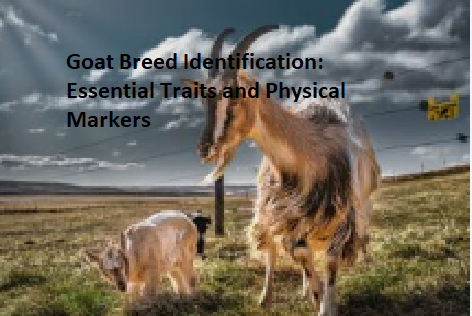
Mastering goat breed identification helps farmers and hobbyists select the right animals for milk, meat, fiber, or land management. Whether you are browsing a local auction or managing a diverse herd, understanding the unique visual and behavioral markers of different goats ensures you make informed decisions about your agricultural investments.
To identify a specific goat breed, you must look primarily at its ear shape, body profile, coat texture, and horn structure. While many modern goats are crossbreeds, purebred animals generally display consistent physiological traits defined by their breed standards. You will find that most goats fall into one of three primary categories: dairy, meat, or fiber breeds.
Core Physical Markers for Accurate Classification
The most reliable method for goat breed identification starts with the ears. Breed standards often dictate whether ears are upright, pendulous, or gopher-like.
For example, Nubian goats are instantly recognizable by their long, drooping ears that extend past the muzzle. In contrast, Alpine or Saanen goats possess perky, upright ears that suggest alertness and high energy.
Body shape serves as the next major indicator of purpose and origin. Dairy breeds typically exhibit a “wedge” shape, meaning they are wider at the rear and narrower at the shoulders.
Meat breeds like the Boer tend to be blocky, muscular, and thick-set, designed to carry significant weight. Fiber breeds, such as the Angora, often have a rounder appearance obscured by long, flowing locks of mohair.
Color patterns and markings also provide clues, though they are less reliable than bone structure. Some breeds, such as the Toggenburg, have very specific color requirements, including distinctive white facial stripes and lower legs.
Other breeds, like the Nigerian Dwarf, show massive variation in coat color, making them harder to identify by pigment alone. Always prioritize structural traits over color when attempting to distinguish between breeds.
Evaluating Dairy Breed Characteristics
Dairy goats are the most common animals found on small-scale homesteads. The primary goal of these breeds is efficient milk production, which influences their physical appearance.
You will notice that dairy goats have prominent, well-defined udders that are high and wide at the rear. Their skin is usually thin, and their hair is fine, reflecting a metabolic focus on lactation rather than muscle or fat storage.
The Saanen is the largest of the dairy breeds and is always white or cream-colored. If you see a large, white goat with upright ears and a straight face, it is likely a Saanen.
Alpines are similar in size but come in a variety of color patterns, often referred to as “chamoisee” or “broken.” These goats are known for their calm temperament and high milk yields in diverse climates.
LaMancha goats are perhaps the easiest to identify due to their unique ears. They possess either “gopher” ears, which are essentially non-existent, or “elf” ears, which are very small and tight to the head.
This trait is a defining characteristic of the breed. If you encounter a goat with almost no visible ear, you are almost certainly looking at a LaMancha or a crossbreed containing LaMancha genetics.
Distinguishing Meat Goat Varieties
Meat goat breed identification focuses on frame size and muscling. The Boer goat is the industry standard, characterized by a white body and a dark, red-to-brown head.
They have a compact, heavy-muscled build that is distinctly different from the lanky frame of a dairy goat. Their ears are pendulous, though they do not hang as low as those of a Nubian.
Kiko goats are another common meat breed, developed in New Zealand for hardiness. They are generally smaller and less muscular than Boers but are known for their parasite resistance and ability to thrive on low-quality forage.
They often have tighter, more upright ears than the Boer. Their coat colors can vary significantly, making them harder to identify by sight alone compared to the distinct Boer markings.
Myotonic goats, often called “fainting goats,” have a very specific genetic trait that causes their muscles to stiffen when startled. Beyond this behavior, they are stocky, muscular animals with a broad chest and a relatively short neck.
They often have prominent, expressive eyes and a sturdy, ground-hugging stance. Their unique body proportions make them stand out in a pasture of more agile, dairy-type goats.
Recognizing Fiber and Specialty Breeds
Fiber goats require a different set of visual identifiers because their coats often hide their underlying structure. Angora goats, prized for their mohair, are covered in long, lustrous locks that grow continuously.
They are generally smaller than meat goats and have a distinct, drooping ear shape that sets them apart. When looking at an Angora, check the texture of the fiber; it should feel silky and soft rather than coarse.
Cashmere goats are not a single breed but rather a classification of any goat that produces fine, soft undercoat fiber. Because they are a type rather than a breed, they look like common mixed-breed goats.
You must look for the presence of a double coat: a coarse outer guard hair and a soft, dense under-layer. This is often only visible during the molting season in late winter or early spring.
Specialty breeds like the Pygmy goat are kept primarily as pets or for exhibition. They are small, compact, and very broad for their height.
Pygmy goats have a distinct, rounded appearance and are known for their hardy, energetic nature. You will notice their shorter legs and wider chest compared to the long-legged dairy breeds often kept nearby.
Comparative Data for Quick Identification
When you are in the field, having a quick reference table helps narrow down the possibilities. This table compares the general traits of common breeds to assist in your identification process.
| Breed | Primary Use | Distinguishing Feature | Ear Type |
|---|---|---|---|
| Nubian | Dual-purpose | Roman nose | Long/Pendulous |
| Boer | Meat | Red head/White body | Pendulous |
| LaMancha | Dairy | Gopher/Elf ears | Minimal |
| Saanen | Dairy | Solid white coat | Upright |
| Angora | Fiber | Long, curly locks | Drooping |
Use this table as a starting point, but remember that individual animal variation is significant. Crossbreeding is extremely common in the agricultural sector, and many animals will display traits from two or more of these categories. Always cross-reference your findings with American Dairy Goat Association standards to understand the official breed requirements.
Common Challenges in Visual Identification
One of the biggest hurdles in goat breed identification is the prevalence of “grade” or unregistered goats. Many farmers keep mixed-breed animals that exhibit the high production of a dairy goat combined with the hardiness of a meat breed.
These animals often defy easy categorization. You might find a goat that has the body of an Alpine but the ears of a Nubian.
Environmental factors also affect how a breed presents itself. A goat raised in high-altitude, cold conditions may develop a much thicker coat than the same breed raised in a tropical environment.
Nutrition plays an equally important role in physical development. A malnourished animal of a large breed may appear stunted, leading to an incorrect identification based on size.
Age is another critical variable to consider. Kids often lack the structural definition that adults display, making it difficult to identify their breed until they reach maturity.
You should look for secondary markers like horn shape and facial profile, which tend to be more stable throughout an animal’s life. Do not make final decisions on breed purity based solely on the appearance of a young kid.
Frequently Asked Questions
How can I tell if a goat is a purebred?
The only definitive way to confirm a goat is a purebred is through official registration papers from a recognized breed association. Physical traits can mimic purebred standards, but without a pedigree, you cannot verify the genetic history of the animal.
Do all goats have the same number of teeth?
Yes, all goats have the same dental structure, featuring eight incisors on the bottom jaw and a hard dental pad on the top jaw. You can estimate a goat’s age by checking its teeth, but this does not help with breed identification.
Why do some goats have horns and others do not?
Horns are a genetic trait, but many goat owners choose to disbud or dehorn their animals for safety reasons. Some breeds, like the Alpine, are naturally prone to horn growth, while others are selectively bred to be polled, meaning they are born without horns.
Can I identify a goat’s breed by its temperament?
While some breeds are known for being more docile, temperament is heavily influenced by handling and socialization. You should not rely on behavior as a primary indicator of breed, as a well-socialized goat of any breed can be friendly.
What is the difference between a buck, a wether, and a doe?
These terms refer to the sex and reproductive status of the goat, not the breed. A buck is an intact male, a wether is a castrated male, and a doe is a female. These labels are distinct from breed categories.
Conclusion
Successful goat breed identification relies on a combination of observation, knowledge of breed standards, and an understanding of how environment and genetics interact. By focusing on the structural markers like ear shape, body profile, and coat type, you can categorize most animals with a high degree of accuracy. Always remember that many goats on small farms are crossbred, which contributes to their resilience and unique characteristics.
If you find yourself struggling to identify a specific animal, check for registration papers or consult with experienced breeders in your area. Maintaining a clear record of your herd’s genetics will help you manage health and production more effectively over time. Continue observing your animals as they grow, and you will become increasingly proficient at identifying the distinct traits that define each breed.
