

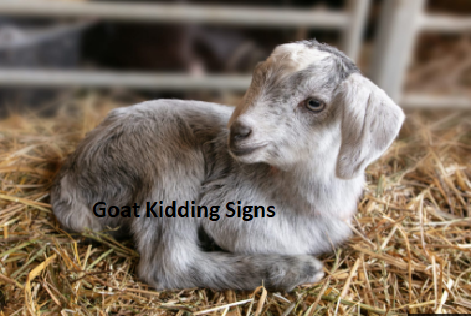
Recognizing goat kidding signs is a critical skill for any producer managing a herd during the spring or fall breeding seasons. Understanding the physical and behavioral changes in your doe ensures you are prepared to assist if complications arise. By monitoring specific milestones, you can move from anxiety to confidence as the due date approaches.
Identifying the Immediate Indicators
The most reliable goat kidding signs center on physical changes in the doe’s udder and tail head. As the hormones shift, the ligaments surrounding the tail head will begin to soften and eventually disappear. You can check this by placing your fingers on either side of the tail base; if it feels like a soft, squishy rope, birth is likely within 24 to 48 hours.
The udder will also undergo significant changes during these final days. It will become tight, shiny, and distended, often referred to as “bagging up.” While some does bag up weeks in advance, a sudden, rapid expansion is a major indicator that labor is imminent. Teat filling is equally important; when the teats point outward or feel rock-hard, the doe is at the finish line.
Behavioral Changes Before Labor
A doe close to kidding will often undergo a distinct shift in her daily personality. She may become restless, frequently standing up and lying back down as she tries to find a comfortable position. This pacing behavior is often accompanied by a vocal, “calling” temperament as she searches for a secluded spot.
Some does will isolate themselves from the rest of the herd to find a quiet corner of the barn. If your goat refuses to eat her grain or shows a sudden loss of interest in her usual social interactions, she is likely preparing for birth. Watch for “nesting” behavior where the doe paws at the bedding to create a depression or a specific spot to settle.
Physical Stages of Labor
Labor in goats is traditionally broken down into three distinct stages. The first stage involves the dilation of the cervix, which can last anywhere from 6 to 12 hours. During this time, the doe may appear uncomfortable, flick her tail frequently, and exhibit mild, irregular contractions.
The second stage is the active delivery phase, where the doe pushes forcefully. You will notice the appearance of a water bag, which looks like a fluid-filled balloon protruding from the vulva. Once this sac ruptures, the baby should typically follow within 30 to 60 minutes.
Monitoring Vital Changes
Keeping track of specific biological markers helps you distinguish between normal pre-labor behavior and potential distress. The following table provides a quick reference for common observations during the final stages of the pregnancy cycle.
| Observation | Timeframe | Action Required |
|---|---|---|
| Ligaments disappear | 24-48 hours | Prepare kidding pen |
| Mucus discharge | 12-24 hours | Observe for straining |
| Visible contractions | 1-2 hours | Monitor every 15 minutes |
| Water bag appearance | 30-60 minutes | Be ready to assist if needed |
The Role of Vaginal Discharge
Vaginal discharge is a classic indicator that the cervix is beginning to relax. You might notice a clear or slightly cloudy, stringy mucus hanging from the vulva. This is often called a “mucus plug,” and its passage is a clear sign that the doe is within the final 12 to 24 hours of her term.
However, you should be wary of any discharge that is foul-smelling, bloody, or bright green. These colors can indicate an infection or a premature separation of the placenta, requiring immediate attention. Keep a clean, dry cloth nearby to gently wipe the area if you need to perform a closer inspection of the discharge.
Preparing the Kidding Environment
A clean environment is just as important as monitoring goat kidding signs. You should have a dedicated kidding stall ready at least two weeks before the expected due date. This space needs to be draft-free, well-ventilated, and filled with fresh, dry straw or wood shavings.
Ensure the stall is large enough for the doe to move around comfortably without getting cornered. You should also have a supply kit prepared, which includes iodine for the umbilical cord, clean towels, a bulb syringe to clear airways, and emergency contact information for your local veterinarian. For more technical details on herd health, you can consult the USDA Animal and Plant Health Inspection Service for standardized guidelines.
Common Complications During Delivery
Even with a healthy pregnancy, complications can occur that require human intervention. Malpresentation is the most common issue, where the kid is not positioned correctly for birth. Ideally, you should feel two front hooves with the nose resting between the legs.
If you feel only one leg, a tail, or the top of the head, you may need to gently reach in and re-position the kid. Always use a generous amount of non-toxic, water-soluble lubricant before entering the birth canal to prevent tearing. If you are unsure about how to assist, call a professional immediately rather than risking injury to the doe or the kids.
Post-Kidding Care Essentials
Once the kids are born, your focus shifts to ensuring they receive colostrum within the first hour of life. Colostrum is rich in antibodies that are vital for the newborn’s immune system. If a kid is too weak to nurse, you must milk the doe and bottle-feed the kid manually.
You should also monitor the doe for the passage of the placenta. This usually happens within 2 to 4 hours after the final kid is born. If the placenta is not passed within 12 hours, contact your veterinarian to prevent the risk of a retained placenta, which can cause severe uterine infections.
Essential Supplies for Your Kidding Kit
Having the right tools ready prevents panic when the signs of labor become apparent. Here are the essential items you should keep organized in a container near your barn:
- Clean, soft towels for drying newborns.
- Disposable gloves to maintain hygiene during checks.
- Non-toxic, water-soluble lubricant for manual assistance.
- Iodine or chlorhexidine for dipping umbilical cords.
- A bulb syringe for clearing mucus from the kid’s nose and mouth.
- A bottle and nipple in case of early nursing difficulties.
- A thermometer to check the doe’s temperature if she appears ill.
Frequently Asked Questions
How do I know when the doe is finished kidding?
A doe is usually finished when she stops straining and appears to settle down with her kids. She will often start grooming them intensely, and her abdomen will look significantly smaller. If she continues to strain for more than an hour without producing another kid, she may need an internal check.
What if the doe is straining but nothing is happening?
If a doe has been in hard, active labor for more than 30 to 45 minutes with no progress, she is likely experiencing a blockage or malpresentation. This is a red flag that requires immediate intervention. Wash your hands thoroughly, use plenty of lubricant, and carefully check the birth canal for the position of the kid.
How long should I wait for the placenta to pass?
The placenta should ideally be passed within 2 to 4 hours after the birth. If it has not come out by the 12-hour mark, you must call a veterinarian. Do not pull on the placenta, as this can cause the uterus to prolapse or tear.
Is it normal for a goat to be restless days before kidding?
Yes, many does exhibit “pre-labor” symptoms, including restlessness, pawing at the ground, and increased vocalization, for several days before the actual event. This is often referred to as the “false labor” stage. As long as she is eating, drinking, and acting normally, you should continue to monitor her closely without interfering.
What is the best way to help a newborn kid breathe?
If a kid is born and not breathing, immediately clear the mucus from its nose and mouth using a bulb syringe. You can also tickle the inside of its nose with a piece of straw to stimulate a sneeze. Gently rubbing the kid with a towel also helps stimulate breathing and increases blood flow.
Conclusion
Successfully managing your herd during the birthing season relies on your ability to interpret subtle goat kidding signs accurately. By tracking changes in the udder, tail ligaments, and the doe’s behavior, you can provide the necessary support to ensure a safe delivery. Consistent observation allows you to act quickly when complications arise, protecting both the mother and her offspring.
Keep your supplies organized, stay calm during the process, and trust your instincts as you monitor the progress of your animals. Engaging with other experienced breeders can also provide valuable insights as you refine your own management techniques over the years. Consistent attention to these details remains the best way to ensure a healthy and productive season for your entire farm.
