

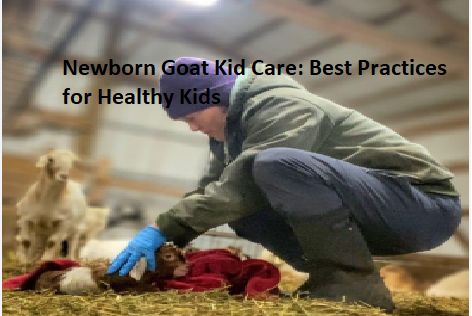
Mastering newborn goat kid care is essential for any producer wanting to ensure high survival rates and healthy, productive livestock. The first few hours of a kid’s life are the most critical window for intervention, as the animal transitions from the protected environment of the womb to the external world.
Proper management during this time prevents common issues like hypothermia, failure of passive transfer, and navel infections. This guide provides the technical steps required to manage these early stages effectively, focusing on hygiene, nutrition, and thermal regulation to give your herd the best possible start.
The immediate priority for newborn goat kid care is ensuring the animal is breathing and receiving vital colostrum. Within minutes of birth, you should clear the kid’s mouth and nostrils of any mucus or fetal membranes to ensure a clear airway. If the kid is struggling, a gentle rubbing of the chest or holding it by its hind legs for a brief moment can stimulate respiratory function.
Once breathing is steady, the most important task is the ingestion of high-quality colostrum, which contains essential antibodies the kid lacks at birth. You must ensure the kid consumes at least 10% of its body weight in colostrum within the first 12 to 18 hours of life.
The Role of Colostrum
Colostrum serves as the primary immune defense for the newborn, providing passive immunity through immunoglobulins. Without this intake, a kid remains highly susceptible to pathogens like E. coli or Cryptosporidium that are common in barn environments.
If a doe is unable to nurse her kid, you should provide heat-treated colostrum or a high-quality frozen substitute stored at exactly 120°F (49°C) to prevent denaturing the antibodies. Using a trusted extension resource like the University of Minnesota Extension helps ensure you follow scientifically backed protocols for colostrum volume and timing.
Managing Body Temperature and Hypothermia
Goat kids are born with minimal body fat reserves, making them extremely vulnerable to cold stress. If the ambient temperature is below 50°F (10°C), a wet kid can quickly succumb to hypothermia, which is a leading cause of mortality in the first 24 hours.
You should immediately dry the kid using clean towels or straw if the mother is not vigorous enough to lick it clean. In cases of severe cold, moving the kid to a warming box or using a heat lamp is necessary, provided the heat source is secured to prevent fire risks.
Thermal Regulation Indicators
A healthy, warm kid should be active, have a strong suckling reflex, and maintain a body temperature between 101.5°F and 103.5°F. If you notice a kid is lethargic, cold to the touch, or has a hunched posture, it is likely suffering from hypothermia.
Check the temperature rectally to confirm; if it is below 98°F, you must begin rewarming procedures immediately. Never attempt to feed a severely hypothermic kid, as its digestive system cannot process milk; instead, provide glucose or an electrolyte solution via a stomach tube once the core temperature has stabilized.
Navel Disinfection Procedures
The umbilical cord is a direct highway for bacteria to enter the bloodstream, potentially leading to joint ill or systemic infections. You must sanitize the navel stump as soon as possible after birth, ideally within the first 30 minutes.
Use a 7% tincture of iodine or a similar antiseptic solution to dip the navel, ensuring the entire length of the cord is saturated. This simple, inexpensive step is one of the most effective ways to reduce early mortality rates in your herd.
Preventing Navel Ill
If the navel is left damp or dirty, it can become an entry point for Staphylococcus or Streptococcus bacteria. In addition to iodine, keeping the kidding area clean and dry is non-negotiable.
Bedding should be changed frequently to prevent the buildup of ammonia and fecal matter, which are primary sources of contamination. If you notice swelling, heat, or discharge from the navel area in the days following birth, consult a veterinarian immediately, as this may indicate an infection requiring systemic antibiotic treatment.
Nutritional Milestones and Feeding Schedules
Once the kid has received adequate colostrum, it must transition to a consistent milk diet to support rapid growth. Kids typically double their birth weight within the first two weeks of life, requiring high-energy intake from either the dam or a milk replacer.
If you are bottle-feeding, you should establish a strict schedule to avoid digestive upsets like bloat or scours. Feeding small amounts frequently is better than large, infrequent meals, as it mimics the natural nursing pattern.
Feeding Comparison Table
| Feeding Method | Frequency (First Week) | Pros | Cons |
| :— | :— | :— | :— |
| Dam-Raised | Ad libitum | Natural, less labor | Harder to monitor intake |
| Bottle-Fed | 4-6 times daily | Excellent bonding | Highly labor intensive |
| Automatic Feeder | Constant access | Scalable, efficient | Expensive setup cost |
Monitoring Growth and Health
Regular weighing and health checks are vital components of responsible newborn goat kid care. You should weigh the kids at birth and then weekly to track their growth trajectory and identify those failing to thrive.
A healthy kid should gain roughly 0.2 to 0.4 pounds per day during the first month. If you identify a kid that is lagging behind its peers, check for signs of internal parasites, coccidiosis, or poor milk intake.
Common Health Indicators
* Activity level: Should be alert, playful, and able to stand within 30 minutes of birth.
* Stool consistency: Should be firm and mustard-colored; watery or bloody stool requires immediate attention.
* Respiratory rate: Should be steady without audible clicking or wheezing sounds.
* Hydration status: Skin should snap back quickly when pinched; sunken eyes are a sign of severe dehydration.
* Suckling reflex: Should be strong and vigorous when presented with a bottle or teat.
Housing and Environmental Hygiene
The environment where a kid spends its first few weeks dictates its long-term health prospects. Ideally, kidding pens should be partitioned off from the rest of the herd to prevent exposure to adult pathogens.
These areas must be draft-free, well-ventilated, and kept dry. Ammonia buildup from urine is a major respiratory irritant, so frequent mucking is required to maintain a healthy air quality.
Sanitation Protocols
Disinfecting pens between births is a best practice often overlooked in smaller operations. A solution of 10% bleach or a veterinary-grade disinfectant can be used to scrub surfaces after a doe and her kids are moved to a nursery group.
This breaks the cycle of infection for common ailments. Ensure that all feeding equipment, such as bottles, nipples, and buckets, is washed with hot, soapy water after every use to prevent the growth of mold or bacteria in the remnants of milk.
Managing Potential Complications
Even with the best management, complications can occur, and being prepared is half the battle. Common issues include “floppy kid syndrome,” which is associated with metabolic acidosis, and congenital defects like cleft palates.
You should have a basic medical kit on hand that includes electrolytes, a stomach tube, a thermometer, sterile syringes, and an antiseptic spray. Knowing how to administer a basic subcutaneous injection or tube feed a weak kid can mean the difference between life and death.
Early Intervention Strategies
If a kid is not standing within an hour, assess it for weakness or injury. Sometimes, a kid may have weak joints or a lack of vigor due to the dam’s nutrition during pregnancy.
Supplementing with Vitamin E and Selenium, if your region is deficient, can often correct these issues. Always consult with a local veterinarian to establish a protocol for common regional health challenges, as local soil composition significantly impacts the mineral needs of your herd.
FAQ Section
How long can a newborn goat kid go without nursing?
A newborn must receive colostrum within the first 12 to 18 hours, but the sooner the better. After two hours, the gut begins to close, meaning the kid’s ability to absorb antibodies decreases significantly. If a kid hasn’t nursed within four hours, you should intervene by milking the dam and bottle-feeding the kid immediately.
How long does it take for a baby goat to walk after birth?
Most healthy kids will attempt to stand within 15 to 30 minutes after birth. They should be walking and searching for the teat within an hour. If a kid is still unable to stand after two hours, it may be suffering from hypoglycemia, exhaustion, or a congenital health issue.
Can I touch a newborn baby goat?
Yes, you can and should handle them to ensure they are dry, breathing, and ready to nurse. However, minimize unnecessary handling to reduce stress on the mother and the kid. Always wash your hands or change gloves between handling different litters to prevent the cross-contamination of potential diseases.
What do I do if the mother rejects her kid?
Rejection happens occasionally, especially with first-time mothers. You must immediately remove the kid and begin bottle-feeding it with colostrum from the mother or another source. You can try to re-introduce the kid to the mother under supervision, but if the rejection is persistent, it is safer to raise the kid as a bottle baby to ensure it receives consistent nutrition.
When should I introduce solid food to a kid?
While they will start nibbling on hay or creep feed as early as two weeks old, their primary source of nutrition must remain milk until they are at least 8 to 10 weeks old. Providing high-quality alfalfa hay and fresh water at a young age helps develop the rumen, but it does not replace the necessity of milk for proper growth.
Conclusion
Proper attention to detail is the foundation of successful livestock management. By focusing on the critical pillars of hygiene, thermal stability, and immediate nutritional support, you significantly increase the chances of raising healthy, resilient goats. Remember that the time you invest in the first 24 hours of a kid’s life pays dividends in reduced veterinary costs and higher survival rates throughout the season.
Keep your supplies organized, maintain a clean environment, and don’t hesitate to seek professional veterinary advice when your observations suggest an issue beyond your control. Consistent, proactive care remains the most reliable strategy for long-term success in your herd. If you have questions about specific regional health challenges or nutritional supplements, reaching out to your local agricultural extension agent is an excellent next step to refine your management plan.
