

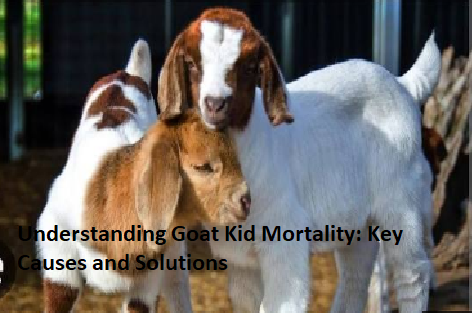
Managing goat kid mortality is one of the most significant challenges for any producer, as losing young animals directly impacts the long-term viability of the herd. Understanding why these losses occur is the first step toward implementing management changes that protect your investment and improve animal welfare.
By tracking birth outcomes and monitoring health closely, producers can identify patterns that lead to higher survival rates during the critical neonatal period. This article provides a focused look at the primary drivers of kid loss and actionable strategies to mitigate these risks on your farm.
Understanding the Current Mortality Rates
The average goat kid mortality rate typically ranges between 10% and 20% in many commercial herds, though intensive management systems can keep this figure closer to 5%. Factors such as breed, climate, and housing conditions significantly influence these percentages.
High-density operations often face higher risks due to the increased transmission of pathogens in confined spaces. Conversely, extensive pasture-based systems might struggle with predator pressure or environmental exposure during harsh weather.
Data from veterinary studies suggests that the majority of deaths occur within the first 72 hours of life. This window is critical because kids are born with limited energy reserves and require immediate, high-quality colostrum to build an immune system.
If a kid fails to nurse within the first few hours, its chances of survival drop precipitously. Monitoring this specific timeframe is essential for any producer aiming to lower their overall herd loss statistics.
The Role of Colostrum and Immune Health
Colostrum is the single most important factor in determining whether a kid survives its first week. It contains maternal antibodies that provide passive immunity against common environmental pathogens.
A kid that misses out on this “liquid gold” is essentially defenseless against the bacteria it encounters in the barn or pasture. You should ensure every kid receives at least 10% of its body weight in colostrum within the first six hours of birth.
If a doe is unable to nurse, you must intervene immediately by bottle-feeding or using a stomach tube. Frozen colostrum from a reliable, disease-free source should always be kept on hand for emergencies.
Some producers use commercial colostrum replacers, but natural maternal colostrum remains the gold standard for efficacy. Prioritizing this intake is the most effective way to address early-stage goat kid mortality.
Common Environmental Causes of Loss
Environmental factors are frequently overlooked in the search for pathogens, yet they account for a large percentage of neonatal deaths. Hypothermia is a leading killer in cold climates, especially for kids born during winter or early spring kidding seasons.
A wet, newborn kid can lose body heat rapidly if the ambient temperature is low and the air is drafty. Providing a dry, sheltered, and wind-free environment is mandatory for keeping mortality rates low during these months.
Sanitation also plays a major role in the environment’s impact on kid health. Pathogens like E. coli and Cryptosporidium thrive in damp, dirty bedding, leading to severe scouring in young kids.
Cleaning and disinfecting kidding pens between every birth is a labor-intensive but necessary practice. You can find detailed guidelines on maintaining clean facilities through the Merck Veterinary Manual, which outlines best practices for livestock hygiene.
Nutritional Deficiencies and Weak Kid Syndrome
Weak kid syndrome is a frustrating condition where a newborn appears normal but lacks the strength to stand or nurse. This is often linked to the nutritional status of the doe during the final trimester of pregnancy.
If the mother is underfed or lacks essential minerals like selenium, the resulting kid may be born with compromised muscle tone or low birth weight. You must ensure your does have access to high-quality forage and a balanced mineral supplement throughout their gestation.
Trace mineral deficiencies, specifically selenium and vitamin E, are common culprits in regions with depleted soil. These deficiencies lead to “white muscle disease,” which can cause heart failure or respiratory distress in kids.
Providing a mineral mix tailored to your local soil profile can prevent many of these developmental issues. Proper prenatal care for the mother is the most reliable way to prevent this specific type of mortality.
Infectious Disease Management
Infectious agents are responsible for many sudden deaths that occur after the first week of life. Pneumonia, often triggered by stress or poor ventilation, is a major cause of mortality in growing kids.
Look for signs like heavy breathing, nasal discharge, or a persistent cough, as these require immediate veterinary attention. Vaccinating the dam against common clostridial diseases and respiratory pathogens can pass some immunity to the kids.
Coccidiosis is another common threat that impacts the digestive health of weaning-age kids. This protozoan infection causes severe diarrhea, dehydration, and eventual death if left untreated.
Implementing a strict coccidiostat protocol and maintaining dry bedding can keep these parasite levels under control. Below is a table comparing common causes of death by developmental stage:
| Developmental Stage | Primary Cause of Death | Prevention Strategy |
|---|---|---|
| 0-3 Days | Hypothermia/Failure to nurse | Assisted feeding and heat lamps |
| 1-3 Weeks | Scours/Enteritis | Sanitation and colostrum |
| 1-3 Months | Pneumonia/Coccidiosis | Ventilation and parasite control |
Managing Predator Pressure
Predation is a significant, often ignored, component of mortality on farms with extensive grazing systems. Coyotes, foxes, and even domestic dogs can decimate a kid crop in a single night.
If you notice unexplained disappearances or carcass remains, predators are likely the cause. Using livestock guardian dogs or secure nocturnal fencing is essential for protecting young kids from these threats.
It is also important to recognize that predators often target the weakest individuals first. If you have a high rate of predator-related loss, consider whether you are also dealing with underlying health issues that make the kids slower or less alert.
A healthy, vigorous kid is much better at staying close to its mother and avoiding threats. Combining good health management with physical protection is the best way to secure your herd.
Best Practices for Record Keeping
You cannot fix what you do not measure, and detailed records are the backbone of a successful breeding program. Tracking every birth, including the time, weight, and any health issues, allows you to identify trends over time.
If a specific doe consistently produces weak kids, you should consider culling her from the breeding program. Keeping these records helps you make data-driven decisions rather than guessing why losses are occurring.
Include the following data points in your daily logbook to monitor herd performance:
-
- Date and time of birth for every kid
-
- Birth weight and general vigor score
-
- Colostrum intake timing and volume
-
- Any administered vaccinations or treatments
-
- Dam identification and history of previous births
Frequently Asked Questions
What is the most common cause of sudden death in goat kids?
Enterotoxemia, also known as “overeating disease,” is a frequent cause of sudden death in rapidly growing kids. It is caused by Clostridium perfringens bacteria and often affects the biggest, healthiest-looking kids in the group.
How can I tell if a kid is suffering from hypothermia?
A kid with hypothermia will often be hunched, shivering, and have cold ears or a cold mouth. If you place a finger in the mouth and it feels cold, the kid needs immediate warming, such as a heat lamp or a warm water bath.
Is it normal for a few kids to die during every kidding season?
While some loss is statistically inevitable in any livestock operation, it should never be considered “normal” to lose a significant percentage. Aiming for a mortality rate below 5% is a realistic goal for well-managed herds.
What is the difference between scouring and normal kid droppings?
Normal kid droppings are firm, dark pellets, while scours present as watery, foul-smelling, or discolored feces. Scours lead to rapid dehydration and death, so they must be treated as a medical emergency.
Should I vaccinate all kids for pneumonia?
Vaccination protocols depend on your specific farm’s disease history and local prevalence. Consult with a large-animal veterinarian to create a schedule that addresses the specific respiratory threats in your region.
Conclusion
Reducing goat kid mortality requires a combination of vigilance, sanitation, and proactive animal husbandry. By focusing on the critical first hours of life, ensuring adequate colostrum intake, and maintaining a clean environment, you can drastically improve the survival rates of your herd. Remember that the health of the kid begins with the health of the doe; proper prenatal nutrition is just as vital as postnatal care.
Consistently tracking your data will reveal the specific weaknesses in your management system, allowing you to make targeted improvements. While losing kids is an unfortunate reality of farming, staying informed and prepared helps minimize these setbacks.
If you keep a close watch on your herd’s performance, you will see the long-term benefits in both animal welfare and your farm’s bottom line. Stay engaged with your local veterinary resources to ensure your protocols remain effective as your herd grows.
