

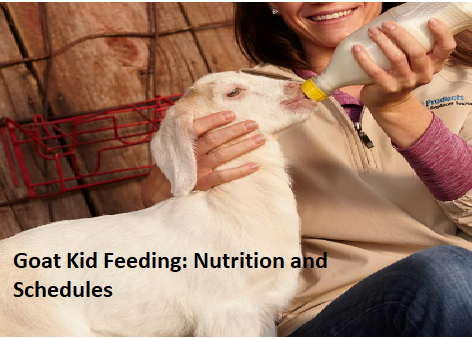
Proper goat kid feeding is the cornerstone of raising healthy, productive animals that grow into resilient adults. Whether you are managing a small homestead or a larger dairy operation, providing the right nutrients at the correct intervals prevents stunted growth and common digestive ailments.
This article outlines the essential stages of nutrition, from the vital initial colostrum intake to the transition onto solid forage. You will learn how to balance milk intake with early rumen development, ensuring your kids reach their growth milestones safely and efficiently.
The most critical factor in early goat kid feeding is the immediate consumption of high-quality colostrum. A kid must receive roughly 10% to 15% of its body weight in colostrum within the first 12 to 24 hours of life.
This liquid gold provides the essential antibodies necessary for the kid’s developing immune system, which is virtually non-existent at birth. If the mother is unavailable or unable to nurse, you should have frozen colostrum or a reliable powder substitute ready to administer via a bottle or esophageal tube.
Establishing a Reliable Feeding Schedule
Consistency is the primary driver of success when bottle-feeding young goats. Most producers find that feeding three to four times per day during the first week leads to better digestion and less bloating.
By the second week, you can typically transition to two feedings per day, provided the kid is consuming an appropriate volume of milk or high-quality milk replacer. Always ensure that the temperature of the milk is consistent at each feeding to avoid upsetting the kid’s sensitive stomach.
Monitoring the volume consumed at each session helps prevent overfeeding, which is a frequent cause of digestive distress in young goats. A standard rule of thumb is to offer about 10% to 12% of the kid’s body weight in milk daily, divided across the scheduled feedings.
Use a small kitchen scale to weigh the kids weekly, as their rapid growth requires frequent adjustments to their milk intake. Never force a kid to finish a bottle if they show signs of disinterest, as this can lead to aspiration or unnecessary stress.
Transitioning to Solid Forage
While milk provides the necessary energy for the first few weeks, the rumen needs stimulation to develop properly. You should introduce high-quality, fine-stemmed hay and a small amount of textured calf or goat starter grain as early as one week of age.
Even if they only nibble at it, this exposure jump-starts the fermentation process in the rumen. Ensure that fresh, clean water is available at all times, as the kids will not consume dry feed without adequate hydration.
The transition from a liquid diet to a solid one should be gradual to avoid severe metabolic setbacks. Most goat owners wait until the kids are at least 8 to 12 weeks old before fully weaning them off milk.
Watch for signs of independence, such as consistent consumption of both hay and grain, before removing the milk bottle entirely. If a kid struggles to gain weight during this transition, extend the weaning period by a few weeks to allow the rumen to catch up.
Common Nutritional Challenges
Bloat and scours are the two most prevalent issues encountered during the initial weeks of life. Bloat often results from feeding milk that is too cold, too concentrated, or offered in inconsistent quantities.
If you notice a kid with a distended, tight left side, stop all milk intake immediately and consult a veterinarian. Scours, or diarrhea, usually stem from bacterial imbalances or overfeeding, and they can lead to rapid dehydration if left untreated.
Maintaining strict hygiene standards is the best defense against these common problems. All bottles, nipples, and mixing containers must be thoroughly washed and sanitized after every single feeding.
Store milk replacer in a cool, dry place to prevent spoilage, and always follow the manufacturer’s mixing instructions to the letter. If you notice a sick kid, isolate them from the rest of the herd to prevent the potential spread of contagious pathogens.
Comparison of Feeding Methods
The choice between dam-raising and bottle-feeding depends largely on your goals for the herd. Dam-raising requires less human labor but often makes the goats more skittish and harder to handle later in life.
Bottle-feeding creates a strong bond between the animal and the human, which is ideal for dairy goats or those intended for 4-H projects. The following table provides a quick reference for the pros and cons of these two common management styles.
| Feature | Dam-Raising | Bottle-Feeding |
|---|---|---|
| Labor Intensity | Low | High |
| Socialization | Moderate | Excellent |
| Growth Monitoring | Difficult | Precise |
| Disease Control | Natural | Requires Hygiene |
Selecting the Right Milk Replacer
If you must use a milk replacer, selecting the right product is just as important as the feeding schedule itself. Look for a product specifically formulated for goats, as calf replacers often lack the necessary fat content and can contain additives that are harmful to caprine digestive tracts.
Read the label to ensure the protein source is primarily milk-based, such as dried whey or skim milk, rather than soy or other plant proteins. You can find more detailed information on nutritional requirements through the eXtension Foundation, which provides research-backed resources for animal husbandry.
Mixing the powder correctly is vital for preventing the “too thick” or “too thin” scenarios that lead to health issues. Use a kitchen scale to measure the powder by weight rather than relying on the scoop, which can vary based on how tightly it is packed.
Always use warm water to ensure the powder dissolves completely, preventing clumps that could clog the nipple. Keep the mixture consistent from one day to the next to ensure the kid’s gut bacteria can adapt to the specific nutritional profile.
Essential Equipment for Success
Investing in the right tools makes the daily routine of caring for young goats much more manageable. You will need high-quality bottles with durable silicone nipples that mimic the natural flow of a dam.
Keep several backup nipples on hand, as they can become damaged or clogged quickly. A dedicated whisk or small immersion blender is also helpful for ensuring that milk replacer is perfectly smooth and free of air bubbles, which can contribute to gas.
* Digital kitchen scale for weighing kids and feed.
* Sanitization solution for cleaning bottles and nipples.
* Small, shallow pans for introducing grain and hay.
* Clean, easily accessible water buckets.
* A notebook or digital app for tracking daily consumption.
The Role of Minerals and Supplements
Even with a perfect milk and forage program, mineral deficiencies can occur if not managed correctly. Young goats require a balanced intake of calcium, phosphorus, and trace minerals like copper and selenium.
Provide a loose mineral mix designed specifically for goats in a clean, dry feeder. Avoid salt blocks, as they often do not provide enough of the essential trace elements that growing kids need for skeletal development.
If your local soil is known to be deficient in certain minerals, you may need to supplement your feed with specific additives. Always consult with a local agricultural extension agent or a large-animal veterinarian before adding concentrated minerals to a kid’s diet.
Excessive amounts of certain minerals can be just as toxic as deficiencies, so follow dosage recommendations carefully. A well-mineralized goat kid will exhibit a shinier coat, stronger hoof structure, and more consistent weight gain.
Frequently Asked Questions
How long should I keep a goat kid on a bottle?
Most producers find that weaning between 8 and 12 weeks is the safest window. This allows the rumen to fully develop while ensuring the kid is receiving adequate nutrition to support rapid growth.
What are the signs of overfeeding a kid?
The most common signs of overfeeding include a bloated abdomen, lethargy, and loose, watery stools. If you notice these symptoms, reduce the amount of milk per feeding and increase the frequency or consult a veterinarian for advice.
Can I feed cow milk to a baby goat?
Yes, whole cow’s milk is an acceptable substitute if you do not have goat milk available. However, ensure it is full-fat milk, as skim or low-fat options will not provide the energy density a growing goat kid needs.
How often should I weigh my goat kids?
Weighing your kids once a week is a great practice. It allows you to track their growth progress and adjust their milk intake proportionally, which is crucial for preventing the health issues associated with rapid growth or nutritional gaps.
Why is my kid refusing the bottle?
A refusal to eat can indicate illness, cold milk, or an unfamiliar nipple texture. Check the temperature of the milk, ensure the nipple isn’t clogged, and monitor the kid for other symptoms like fever or nasal discharge if the refusal persists.
Conclusion
Effective goat kid feeding is a balance of science, observation, and consistent management. By mastering the initial colostrum intake, maintaining a strict hygiene routine, and carefully navigating the transition to solid feed, you set your animals up for long-term health. Keep a close eye on their weight and behavior, as small adjustments today often prevent significant problems tomorrow.
Whether you are raising dairy stock or pets, your dedication to the nutrition of these young animals will be reflected in their growth and vitality. Always prioritize clean equipment and high-quality ingredients, and do not hesitate to reach out to a local expert if you notice persistent issues with your herd’s development.
