

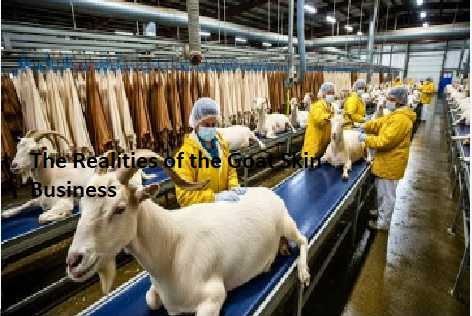
Entering the goat skin business requires a clear understanding of the global leather trade and the specific characteristics that distinguish caprine hides from other bovine or ovine alternatives. This industry relies on the intersection of agricultural byproduct management and high-end manufacturing, where the value of a raw hide is determined by its grain, texture, and the efficiency of the tanning process. By examining the market dynamics, supply chain logistics, and the specific demands of luxury fashion houses, you can determine if this sector aligns with your professional goals.
The profitability of a goat skin business is fundamentally tied to the quality of the raw material and the efficiency of local abattoir collection networks. In current markets, a single raw, salted, and cured goat skin typically fetches between $2.00 and $6.00 USD at the farm gate, depending on its size and freedom from skin diseases or parasite damage.
Once processed into high-quality garment leather or suede, the value can appreciate significantly, often reaching $15.00 to $40.00 per skin in wholesale markets. These margins fluctuate based on the specific leather grade, the intensity of the tanning chemicals used, and the final destination of the product, such as the footwear or luxury handbag industries.
Understanding Global Market Demand
The demand for goat leather is driven by its unique physical properties, which include a high strength-to-weight ratio and a distinctive grain pattern. Unlike cowhide, which is thicker and more rigid, goat leather offers a natural suppleness that makes it ideal for gloves, thin jackets, and soft accessories. Manufacturers prefer this material because it is durable yet lightweight, providing a tactile experience that synthetic alternatives struggle to replicate.
Market trends show that luxury brands in Italy and France are consistent buyers of high-grade caprine skins. They utilize these hides for items that require intricate stitching and a soft drape, such as designer wallets or premium upholstery. Because these brands demand uniformity, the goat skin business thrives when suppliers can provide consistent batches, free from branding marks or tick damage.
Logistics and Raw Material Sourcing
Securing a steady supply is the most significant hurdle for any newcomer in the trade. Most goat skins are byproducts of the meat industry, meaning your supply chain is dictated by seasonal slaughter patterns rather than leather demand. You must establish strong relationships with local slaughterhouses or large-scale goat farmers to ensure you have first access to fresh hides.
Once obtained, the hides must be treated immediately to prevent bacterial growth and putrefaction. The standard method involves salting the hides heavily with rock salt to draw out moisture, which preserves the collagen fibers. Without this crucial step, the raw material loses its commercial value within hours, especially in warmer climates.
Essential Equipment and Processing
Starting a professional operation requires more than just storage space for salted hides. You will need a dedicated facility for curing, grading, and packing the skins before they are shipped to tanneries. The following list outlines the core assets required to maintain a functional operation in this sector:
- Industrial-grade scales for accurate weight-based pricing.
- Climate-controlled storage units to keep salted skins at optimal humidity.
- High-quality rock salt in bulk quantities for immediate preservation.
- Sorting tables with bright, consistent lighting for grading surface defects.
- Heavy-duty shipping crates designed for international export standards.
- Protective gear including masks and gloves for handling raw organic matter.
Quality Grading and Pricing Variations
Not all skins are created equal, and your profit margins depend on your ability to grade them accurately. Buyers typically categorize skins into grades based on the number of holes, scratches, or scars on the surface. A “Grade A” skin is pristine and fetches the highest market price, while lower grades are often relegated to lining leather or scrap uses.
The following table demonstrates how typical market pricing tiers might look for raw, salted goat skins based on surface quality and size.
| Grade | Description | Approximate Price Range |
|---|---|---|
| Grade A | No scars, perfect grain | $5.00 – $6.00 |
| Grade B | Minor surface marks | $3.50 – $4.50 |
| Grade C | Visible scars or holes | $2.00 – $3.00 |
Environmental and Regulatory Compliance
The leather industry is under intense scrutiny regarding its environmental footprint, particularly concerning the chemicals used in tanning. If you intend to take your goat skin business beyond the raw stage and into semi-processed “wet blue” or finished leather, you must comply with strict waste management regulations. Many regions now require specialized effluent treatment plants to process the water used in the soaking and tanning process.
Adhering to these standards is not just a regulatory requirement; it is a business necessity for accessing international markets. Most major fashion conglomerates will only purchase leather from suppliers who can demonstrate sustainable practices and safe chemical handling. You can learn more about international standards for environmental management in manufacturing through the International Organization for Standardization guidelines.
The Role of Tanning in Value Creation
The transformation from raw skin to finished leather is where the most significant value is added. Raw skins are essentially a commodity, but tanned leather is a specialized product tailored to specific industrial needs. If you decide to partner with a tannery, you must understand the difference between vegetable tanning and chrome tanning.
Vegetable-tanned leather is prized for its natural, earthy smell and its ability to develop a patina over time, making it popular for luxury goods. Chrome-tanned leather, on the other hand, is softer, more uniform in color, and more resistant to heat and water. Choosing which process to focus on will determine which segment of the fashion or industrial market you serve.
Challenges in International Trade
Exporting animal hides involves navigating complex customs regulations and sanitary certifications. Every country has different requirements regarding the documentation of animal health, as governments are naturally concerned about the transmission of diseases through raw biological materials. You will often need to provide a certificate of origin and a health certificate signed by a government-authorized veterinarian.
Shipping costs also play a massive role in your bottom line because salted hides are heavy and bulky. You must optimize your packing methods to maximize the number of skins per container, which often involves folding them in specific ways to minimize air gaps. If your logistics are inefficient, the cost of transport can quickly eat into the narrow margins of the raw hide trade.
Scaling Your Operations
Growth in this sector usually comes from vertical integration or by securing larger, more reliable contracts with industrial manufacturers. Once you have a consistent supply, you can look for opportunities to process the hides further into “crust” leather, which is partially finished and easier to store for longer periods. This allows you to wait for better market prices rather than being forced to sell your inventory immediately after the slaughter season.
Building a reputation for reliability is the most effective way to scale. If you consistently deliver hides that match their stated grade, you will become a preferred supplier for tanneries that want to avoid the risks of inconsistent quality. Long-term contracts with these buyers are the bedrock of a stable and profitable enterprise.
Frequently Asked Questions
What are the primary uses for goat leather?
Goat leather is widely used for manufacturing high-quality gloves, luxury handbags, soft footwear, and bookbinding. Its lightweight nature and tight grain make it superior for items that require flexibility and a soft touch.
Why is goat leather often priced differently than cowhide?
Cowhide is thicker and larger, making it suitable for heavy-duty items like furniture or belts, while goat leather is thinner and more supple. The price difference reflects these distinct physical properties and the different manufacturing processes required for each.
Is it difficult to export raw goat skins?
Exporting raw skins requires strict adherence to sanitary and phytosanitary regulations to prevent the spread of animal-borne diseases. You must work closely with local veterinary authorities to obtain the necessary export permits for each shipment.
How do I identify high-quality goat skin?
A high-quality skin should have a uniform grain, be free from deep scratches or insect bites, and show no signs of improper curing. The texture should feel consistent across the entire surface of the hide, and the color should be uniform after the tanning process.
Can I start a goat skin business without a large facility?
You can start on a smaller scale by acting as a collector and aggregator for local farms, provided you have a clean, cool space for initial curing. However, as your volume increases, you will inevitably need larger, dedicated storage facilities to manage the inventory safely.
The goat skin business is a nuanced field that balances the realities of agricultural byproducts with the high-speed demands of the global fashion market. Success in this industry is rarely about luck; it is built on the consistent application of proper curing techniques, rigorous quality control, and the ability to manage complex international logistics. By focusing on maintaining high standards for every shipment, you can establish yourself as a reliable partner in the global supply chain.
As you refine your processes and build your network, the ability to deliver quality product will remain your strongest asset. Take the time to understand the specific needs of your target buyers, and you will find a sustainable path forward in this essential trade.
