

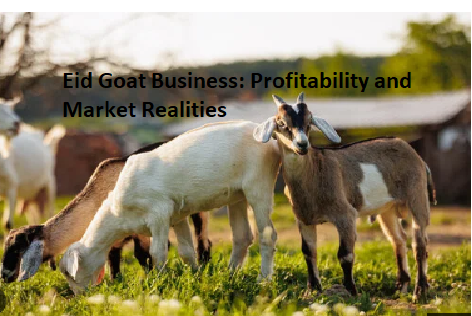
Entering the Eid goat business requires a strategic approach to livestock management, seasonal timing, and local market dynamics. This sector revolves around the high demand for sacrificial animals during the period of Eid al-Adha, a major Islamic festival. Understanding the nuances of supply chains, health standards, and consumer preferences is essential for turning a seasonal venture into a sustainable source of income.
The profit margins in this industry typically range between 15% and 30% per animal, depending on feed costs, logistics, and the quality of the livestock. Successful operators often see a return on investment within a single six-month cycle. By securing healthy stock early in the year and focusing on weight gain through specialized nutrition, farmers can command premium prices during the peak demand window.
Understanding the Market Demand
The core of the Eid goat business is the religious obligation for many Muslims to perform Qurbani, or the ritual sacrifice of an animal. This creates a massive, time-bound spike in demand that occurs once every lunar year. Because the date of Eid al-Adha shifts forward by approximately 11 days each year, market participants must adapt their planning cycles accordingly.
Consumers typically seek animals that meet specific age and health criteria, such as being free from visible defects or illness. Larger, heavier goats with desirable physical traits, such as distinct coat patterns or impressive horns, often fetch significantly higher prices. Market analysis indicates that urban centers experience the most intense price surges due to logistical constraints and high population density.
Initial Investment and Operational Costs
Starting this venture involves more than simply purchasing livestock; it requires a budget for long-term maintenance. Your primary expenses will include the acquisition of young, healthy goats, which should be sourced from reputable breeders or regional livestock auctions. Feed represents the largest recurring operational cost, often accounting for nearly 60% of the total overhead.
Veterinary care is a non-negotiable expense that protects your primary assets. Regular vaccinations and deworming treatments are essential to ensure that your livestock remains healthy throughout the fattening period. You must also account for housing, water access, and the labor required for daily care, including cleaning pens and monitoring for signs of stress or disease.
Sourcing and Selection Strategy
Quality selection is the difference between a high-margin sale and a loss-making endeavor. Focus on breeds known for rapid weight gain and hardiness, such as the Boer or local crossbreeds that are well-adapted to your specific climate. Buying young animals, often referred to as “weaners,” allows you to control their growth trajectory and dietary intake from an early stage.
Inspect every animal for clear eyes, a clean coat, and an active demeanor before finalizing a purchase. Avoid animals that show signs of lethargy or respiratory issues, as these problems can spread quickly through a herd. Building relationships with local farmers can provide you with a more reliable supply chain than relying solely on large, impersonal transit markets.
Nutrition and Fattening Techniques
To maximize profit, you need a structured feeding program that optimizes weight gain without compromising the animal’s health. High-protein diets consisting of quality forage, supplemented with grains or specialized pellets, are standard for commercial operations. Consistent water access is equally vital, as dehydration can lead to rapid weight loss and increased susceptibility to illness.
Tracking weight gain on a monthly basis helps you identify which animals are thriving and which might require a change in diet. Many successful managers use a simple ledger to record the starting weight and the feed quantity consumed by each group. This data allows you to calculate the cost-per-kilogram of growth, ensuring that your feeding strategy remains economically viable.
Logistics and Sales Channels
Moving livestock safely and efficiently is a critical component of the Eid goat business. You must comply with local transportation regulations, which often require specific health certificates or transit permits to prevent the spread of disease. Many sellers choose to partner with dedicated livestock transport services to minimize animal stress, which directly affects the final sale price.
Marketing your stock effectively involves reaching your target audience well before the festival begins. Some producers sell directly from their farm, while others lease temporary stalls in urban centers during the week leading up to Eid. Online platforms and social media have become increasingly common for showcasing livestock photos and video clips to prospective buyers.
Risk Mitigation and Disease Control
The health of your herd is your most significant risk factor. Outbreaks of common livestock diseases like Peste des Petits Ruminants (PPR) can be devastating to a business, potentially wiping out an entire season’s investment in a matter of days. Maintaining a strict biosecurity protocol is the best defense against such occurrences.
Restrict access to your farm for unauthorized visitors and ensure that all new arrivals are quarantined for at least 14 days. Proper sanitation of feeding troughs and housing areas reduces the environmental load of pathogens. For further information on animal health regulations, you can consult the World Organisation for Animal Health, which provides global standards for livestock safety.
Comparative Cost Structure
Understanding the different cost tiers is vital for setting realistic financial expectations. The following table illustrates a typical breakdown of expenses for a small-scale operation over a six-month period.
| Expense Category | Percentage of Budget | Description |
|---|---|---|
| Livestock Purchase | 40% | Buying young, healthy stock |
| Feed and Nutrition | 35% | High-protein forage and grains |
| Veterinary Care | 10% | Vaccines, dewormers, vitamins |
| Labor and Utilities | 10% | Daily care and water/power |
| Logistics and Marketing | 5% | Transport and sales stall fees |
Operational Milestones
Managing a successful cycle requires hitting specific targets throughout the year. Use this checklist to keep your business on track for the peak season.
- January-March: Source young, healthy livestock and establish health records.
- April-May: Implement a high-nutrition fattening diet to ensure rapid growth.
- June: Conduct a final health inspection and secure all necessary transport permits.
- July: Finalize marketing materials and contact repeat customers or local distributors.
- August: Execute sales strategy and manage the logistics of delivery to buyers.
Frequently Asked Questions
Is it possible to scale this business year-round?
While the demand for sacrificial goats peaks during Eid, there is a consistent year-round market for meat consumption. Many operators supplement their seasonal income by supplying local butchers or restaurants during the off-season to ensure steady cash flow.
How do I determine the right price for my goats?
Pricing is usually determined by the live weight of the animal combined with current market trends in your specific region. It is helpful to visit local livestock markets a few weeks before the festival to observe current price brackets for animals of similar size and quality.
What are the biggest challenges for beginners?
The primary challenges involve managing animal health and handling the logistics of the high-demand period. Many beginners struggle with unexpected veterinary costs or failing to account for the labor-intensive nature of daily livestock management.
Do I need a large piece of land to start?
You do not necessarily need a large farm, as goats can be raised in confined feeding operations if managed correctly. The key is ensuring adequate ventilation, hygiene, and enough space for the animals to move comfortably without excessive stress.
How much profit can a single goat generate?
Profit varies based on the purchase price of the young animal and the total cost of feed. On average, a well-managed goat can net between $30 and $80 in profit after accounting for all inputs, though this figure fluctuates significantly based on local market supply.
Strategic Outlook
The Eid goat business remains a viable opportunity for those willing to commit to the rigorous demands of livestock husbandry. Success relies on balancing the health of your herd with the logistical demands of the seasonal market. By focusing on quality over quantity and maintaining strict biosecurity, you can establish a reliable and profitable operation.
As you look toward future seasons, consider how diversifying your sales channels or improving your feed efficiency might further enhance your margins. The agricultural sector is constantly evolving, and staying informed about market shifts will keep your venture competitive. With careful planning and consistent effort, you can turn this seasonal demand into a consistent business asset.
