

Understanding the total goat farming equipment cost is the first step toward building a sustainable agricultural enterprise. Whether you are planning a small hobby farm or a commercial dairy operation, your initial capital expenditure dictates your operational efficiency for years to come.
By breaking down the essential assets required for housing, feeding, and health management, you can create a realistic budget that avoids common financial pitfalls. This analysis provides the specific figures and categories you need to plan your startup effectively while ensuring your goats receive the high standard of care necessary for long-term health and productivity.
For a modest startup operation with roughly 10 to 20 goats, you should anticipate an initial goat farming equipment cost ranging between $2,500 and $6,000. This estimate assumes you are building basic shelters and using standard, non-automated feeding systems.
If you scale up to a commercial facility, these costs can easily exceed $20,000 due to the need for milking parlors, specialized cooling equipment, and industrial-grade fencing. The primary variables influencing these numbers are the materials you source, the scale of your operation, and whether you choose to purchase new or refurbished machinery.
Essential Housing and Shelter Infrastructure
Shelter is the single largest component of your setup budget. Goats are susceptible to respiratory issues if kept in damp or drafty conditions, so your investment in high-quality materials is non-negotiable.
A basic three-sided shed for a small herd typically costs between $800 and $1,500 if you source lumber and metal roofing yourself. If you opt for pre-fabricated structures, expect to pay a premium of 30% to 50% over raw material prices.
You must also account for flooring and bedding management within your shelter budget. While dirt floors are the cheapest option, they require significant labor to maintain and can harbor parasites over time.
Installing a raised wooden slat floor or a concrete base adds $500 to $2,000 to your total depending on the square footage. Properly ventilated stalls are vital, as poor airflow leads to ammonia buildup which can significantly lower your herd’s immune response.
Fencing and Perimeter Security
Fencing represents the most critical investment for your farm’s security and productivity. Goats are notorious escape artists, and standard cattle fencing is rarely sufficient to keep them contained.
Woven wire fencing, often called “no-climb” or “goat wire,” is the gold standard for long-term reliability. You should budget roughly $2.50 to $4.00 per linear foot for high-quality woven wire, including the necessary T-posts and corner bracing.
For a one-acre enclosure, a perimeter fence will likely cost between $1,200 and $2,500 depending on the terrain and the number of gates required. Many farmers also incorporate an electric strand along the top or bottom of the wire to deter predators like coyotes or stray dogs.
Adding an energizer and solar panel kit adds approximately $300 to $600 to your overall equipment budget. Investing in robust perimeter security prevents costly livestock losses and reduces the stress of daily herd management.
Feeding and Watering Systems
Efficient feeding systems minimize waste, which is essential because feed is your most significant recurring expense. A basic hay feeder can be constructed for under $100, but commercial-grade, waste-reducing feeders often retail between $250 and $500 each. You will need one feeder for every 10 to 15 goats to ensure that lower-ranking members of the herd have equal access to nutrients.
Watering systems are equally critical, as lactating does require massive amounts of clean water daily. Automatic waterers that hook into your main plumbing line save hours of manual labor but cost between $150 and $400 per unit.
If you rely on troughs, you must invest in heavy-duty scrub brushes and potentially a submersible pump to keep them clean. The eXtension Foundation provides detailed resources on livestock water quality and management that can help you avoid common health issues related to contaminated drinking sources.
Health and Medical Equipment
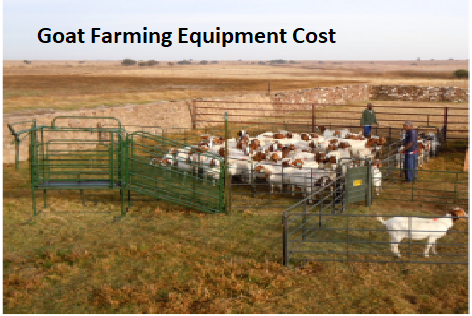
A well-stocked medical kit is a non-negotiable part of your goat farming equipment cost. You need a dedicated area for handling, which requires a sturdy chute or a head gate to safely restrain animals during hoof trimming or vaccinations. A basic metal head gate costs approximately $300 to $700, while a full-service handling chute can cost upwards of $2,000.
Beyond the handling area, you must budget for basic veterinary supplies. This includes digital thermometers, syringes, needles, hoof trimmers, and a reliable scale to track weight gain or medication dosing.
A starter medical kit typically runs between $200 and $500. Keeping these items organized in a weather-proof cabinet ensures that you can respond immediately to injuries or signs of illness, which is vital for preventing herd-wide outbreaks.
Milking and Dairy Processing Tools
If you are entering the dairy market, your equipment needs change significantly. Hand milking is possible for small herds, but as you grow, a portable milking machine becomes a necessary investment.
A single-bucket mobile milker typically costs between $800 and $1,500. These units streamline the process and maintain higher hygiene standards than manual milking, which is crucial for passing health inspections.
Dairy processing adds another layer of cost, including stainless steel filtration, cooling tanks, and storage equipment. A small-scale cooling system, such as an ice-bank cooler or a dedicated refrigerator, can cost $500 to $1,200.
You must also account for sanitization equipment like specialized brushes, food-grade detergents, and testing kits for milk quality. These investments are essential for ensuring your product meets local regulatory standards for human consumption.
Comparing New Versus Used Equipment
Purchasing used equipment is a common strategy for reducing your initial goat farming equipment cost. Many farmers upgrade their operations, leaving behind perfectly functional feeders, panels, and tools at 50% to 70% of their original price.
However, you must inspect used machinery for structural integrity and potential bio-security risks. Used equipment from farms with a history of contagious diseases like Caseous Lymphadenitis should be avoided entirely.
The following table compares the approximate costs of essential items when purchased new versus used.
| Equipment Item | Estimated New Cost | Estimated Used Cost |
|---|---|---|
| Woven Wire Fencing (per 100ft) | $300 – $450 | N/A (Generally not reusable) |
| Head Gate / Chute | $800 – $2,200 | $400 – $1,200 |
| Portable Milking Machine | $1,000 – $1,800 | $500 – $900 |
| Hay Feeder (Metal) | $300 – $500 | $100 – $250 |
| Water Trough (Galvanized) | $150 – $300 | $50 – $150 |
Maintenance and Long-Term Depreciation
Equipment does not stop costing money once it is purchased. You must allocate 5% to 10% of your initial equipment value annually for maintenance and repairs.
Rust is the primary enemy of metal equipment in outdoor environments, requiring regular painting or sealing. Wooden structures may need annual treatment to prevent rot and insect damage.
Depreciation is another factor to consider when calculating your long-term business viability. Most farm equipment has a useful life of 7 to 15 years before requiring significant replacement.
By factoring this into your annual budget, you ensure that you aren’t blindsided when a feeder finally rusts through or a milker pump fails. Maintaining a dedicated repair fund allows you to replace essential tools without disrupting your daily cash flow.
Key Operational Requirements
Beyond the physical gear, you need to budget for the logistical items that keep a farm running. These are often overlooked in initial estimates but are essential for day-to-day operations. Below are several categories of items that frequently appear on farm startup budgets:
- Personal protective gear like high-quality work boots, gloves, and durable clothing.
- Cleaning supplies including pressure washers, disinfectants, and scrub brushes.
- Record-keeping systems, whether physical binders or digital herd management software.
- Transport equipment such as a reliable trailer for moving goats to market or the vet.
- Lighting solutions, especially for kidding pens during the winter months.
Frequently Asked Questions
How much does it cost to set up a small goat farm?
For a hobby-sized operation of 10 goats, you should expect to spend between $2,500 and $6,000. This covers basic fencing, shelter, feeders, and necessary medical supplies.
Is it cheaper to build or buy goat housing?
Building your own shelters is generally 30% to 50% cheaper than buying pre-fabricated kits. However, you must factor in the value of your labor and the time required for construction.
What is the most expensive part of goat farming equipment?
Fencing and specialized dairy equipment are typically the largest expenses. A secure perimeter is vital for safety, while dairy machines are necessary for scaling milk production.
Do I need an expensive milking machine for a small herd?
Not necessarily. If you have fewer than five goats, hand milking is manageable. As you exceed five to ten animals, a portable milker becomes a significant time-saver.
How often should I replace my goat farming equipment?
Most metal equipment lasts 10 to 15 years with proper maintenance. Plastic or wooden components may need replacement every 3 to 7 years due to wear and exposure.
Strategic Planning for Success
Managing your goat farming equipment cost effectively is about balancing immediate needs with long-term durability. Do not be tempted to purchase the cheapest possible fencing or feeders, as these often fail quickly and cost more in the long run. Instead, focus on building a strong foundation with high-quality, reliable assets that grow with your herd.
By keeping accurate records of your spending and maintaining your tools regularly, you protect your investment and ensure your farm remains profitable. Starting with a clear budget and a focus on essential infrastructure will put you on the right path toward a successful and sustainable operation. Stay disciplined with your initial spending, and you will find that your farm becomes more efficient with every passing season.
