

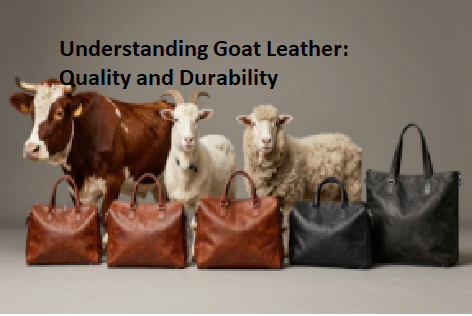
Goat leather is a versatile material prized by manufacturers for its unique combination of softness, strength, and distinctive grain pattern. Often referred to in the industry as Morocco leather or kidskin when sourced from younger animals, this material serves as a staple in high-end fashion and utility goods.
Understanding how this leather compares to bovine alternatives or synthetic substitutes helps consumers make informed purchasing decisions. You will find that its natural properties offer a specific balance of flexibility and resilience that few other hides can replicate in the same price bracket.
The primary defining characteristic of goat leather is its high lanolin content, which keeps the material naturally soft and supple even after extensive tanning processes. Unlike cowhide, which can be stiff and heavy, this material provides a lightweight profile that is ideal for gloves, jackets, and luxury small leather goods.
Because the hide itself is thinner than that of a steer or bull, it requires less splitting, allowing the grain surface to remain intact and durable. You will notice that it possesses a tight, somewhat pebble-like texture that resists scuffing better than many softer hides.
The Anatomy and Sourcing of Goat Hides
Goat skin is harvested primarily as a byproduct of the meat industry, particularly in regions like India, Pakistan, and parts of Africa. Because the animals are generally smaller than cattle, the resulting hides are smaller, typically ranging from 6 to 12 square feet per piece.
This size constraint influences how manufacturers cut patterns for items like handbags or motorcycle gear. You will find that the smaller surface area often leads to more seams in large products unless the artisan is particularly skilled at paneling.
The grain of this leather is distinct because it features a visible, fine-grained pattern that is often enhanced during the finishing process. This texture is not just aesthetic; it provides a structural advantage by being naturally water-resistant and breathable.
Because goats are active animals with thin, dense coats, their skin is surprisingly tough for its thickness. This structural integrity is why you often see this material used in high-performance gloves where tactile sensitivity and abrasion resistance are both required.
Key Technical Properties of Goat Skin
When you compare various types of hides, the fiber density of goat skin stands out for its high tensile strength. This means that even when the leather is thinned for luxury items, it does not lose its structural integrity or tear easily.
It is significantly more flexible than cow leather, making it the preferred choice for items that need to drape or conform to the body. This is why you rarely see heavy-duty work boots made from this material, as it lacks the thickness required for extreme puncture protection.
The presence of natural lanolin is a critical factor in how the leather ages over time. While other leathers might crack or dry out if neglected, goat-based products tend to retain their suppleness with minimal conditioning.
This inherent oiliness also makes the hide receptive to a wide variety of dyes and finishes, from deep, saturated aniline colors to metallic or patent coatings. You will find that it holds color exceptionally well, allowing for vibrant fashion applications that remain stable over years of regular use.
Comparison with Other Common Leathers
Selecting the right leather depends on the intended use, and understanding the differences between goat, cow, and lamb is essential. Cowhide is the standard for durability and thickness, making it the go-to for furniture and heavy belts.
However, it lacks the lightweight comfort of goat skin. Sheepskin or lambskin is even softer than goat leather but is significantly more delicate and prone to tearing, which makes it less suitable for everyday accessories like wallets or daily-wear gloves.
The following table highlights the primary differences you might encounter when shopping for leather goods:
| Feature | Goat Leather | Cow Leather | Lambskin |
|---|---|---|---|
| Durability | High | Very High | Low |
| Weight | Lightweight | Heavy | Very Light |
| Suppleness | Medium-High | Low (initially) | Very High |
| Grain Texture | Distinctive/Pebbled | Smooth/Uniform | Smooth/Fine |
Common Applications in Modern Fashion
Because of its balance between durability and comfort, you will find this material in a wide array of consumer products. It is arguably the gold standard for high-quality dress gloves and driving gloves, where the user needs a precise fit and natural tactile feedback.
The material stretches just enough to accommodate the knuckles without bagging out over time. This makes it a superior choice compared to synthetic materials that often lack breathability or genuine leather’s ability to mold to the wearer.
Beyond gloves, it is a popular choice for luxury bookbinding and high-end upholstery for smaller furniture pieces like footstools or decorative chairs. The grain adds a level of visual interest that plain-finished leathers cannot match.
In the accessory market, you will frequently see it used for wallets, watch straps, and clutches. The material’s natural resistance to moisture and its ability to withstand constant handling make it a practical choice for items carried in pockets or bags every day.
Maintenance and Care Protocols
Maintaining the longevity of your leather goods requires understanding that while this material is durable, it is not invincible. You should avoid exposing it to direct, intense heat, which can strip the natural oils and cause the fibers to become brittle.
If the item gets wet, allow it to dry slowly at room temperature rather than using a hairdryer or placing it near a radiator. A simple, neutral leather conditioner applied once or twice a year will keep the surface hydrated and prevent cracking.
When cleaning, use a soft, dry cloth to remove surface dust or debris before applying any liquid cleaner. If a deeper clean is necessary, opt for a mild, pH-balanced leather cleaner designed for delicate skins rather than generic household detergents.
Always test a small, inconspicuous area first to ensure the color does not bleed or fade. Following these basic steps will ensure your items retain their professional look and structural integrity for years.
Industrial Processing and Tanning Methods
The transformation from raw hide to finished goods involves several complex chemical processes. Most goat skins are chrome-tanned, which provides the characteristic softness and resistance to heat and water that consumers expect.
This process is faster and more efficient than vegetable tanning, which is why it is the standard for the fashion industry. You might find vegetable-tanned goat skin in niche artisanal markets, but it will be stiffer and more prone to water staining.
Tanneries often use the splitting process to achieve a specific thickness for delicate garments. By passing the hide through a precision splitting machine, technicians can ensure a uniform gauge across the entire piece.
This is crucial for high-end manufacturing where consistency is required for automated cutting machines. The final finishing stage involves applying pigments, glues, or waxes to seal the grain, which creates the final look and feel of the product you purchase.
Environmental Considerations and Sustainability
The leather industry often faces scrutiny regarding its environmental footprint, and goat leather is no exception. Because it is a byproduct of the food industry, it represents a sustainable way to utilize parts of the animal that would otherwise be discarded.
However, the tanning process itself can involve heavy metals and chemicals that require careful waste management. Many modern tanneries are now adopting stricter environmental standards to reduce water usage and treat effluent before it is released back into the ecosystem.
For consumers concerned about ethics, it is beneficial to look for products certified by organizations like the Leather Working Group. These groups audit tanneries to ensure they meet specific criteria regarding energy efficiency, chemical management, and worker safety.
By choosing products from transparent supply chains, you can enjoy the benefits of high-quality materials while supporting more responsible manufacturing practices. The shift toward traceability in the global market is making it easier to verify the origins of the materials used in your favorite goods.
Frequently Asked Questions
Is goat leather considered high quality?
Yes, it is highly regarded for its strength-to-weight ratio and natural durability. It is considered a premium material for gloves and small leather goods because it is thinner than cowhide but significantly more robust than lambskin.
Why is goat leather often less expensive than cowhide?
The price is largely driven by the size of the hide rather than the quality. Because goat skins are much smaller, they are more difficult to use for large items like furniture or long coats, which keeps the demand for large, continuous panels lower.
Does goat leather stretch over time?
It does have a natural amount of elasticity, which allows it to mold to the wearer’s body, particularly in gloves or shoes. However, it is known for maintaining its shape well and does not typically bag out or lose its structure if the quality of the leather is high.
Is it waterproof?
While no natural leather is truly waterproof, goat skin has a tighter grain and higher natural oil content than many other hides, which gives it a degree of inherent water resistance. It can handle light rain, but it should still be treated with a protective spray if you intend to use it in wet conditions.
How can I identify genuine goat leather?
You can identify it by looking for the fine, pebble-like grain and feeling the suppleness of the material. It should feel lightweight yet dense, and if you smell it, it should have the distinct, earthy aroma of natural tanned hide rather than the chemical scent of plastic or synthetic alternatives.
Final Thoughts
Selecting the right leather for your needs involves balancing aesthetic preferences with the practical demands of the item’s intended use. Goat leather remains an exceptional choice for those who value a lightweight, flexible, and durable material that ages beautifully with minimal maintenance. By understanding the unique properties of this hide, from its natural lanolin content to its distinct grain structure, you can better appreciate the craftsmanship that goes into your accessories and apparel.
Whether you are investing in a pair of high-quality gloves or a sophisticated wallet, this material offers a level of performance that synthetic alternatives struggle to match. As the industry continues to move toward more sustainable practices, your choice to support transparent, certified tanneries ensures that your purchase aligns with modern ethical standards. We encourage you to explore the tactile quality of this material firsthand and see how it fits into your personal collection of durable, timeless goods.
