

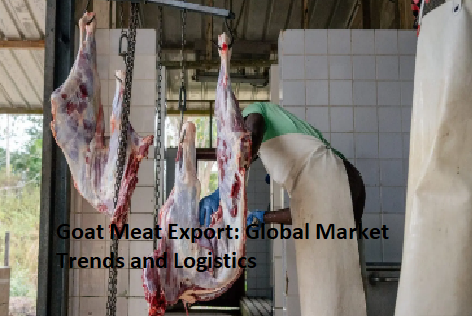
The global trade of chevon, or goat meat, has seen a steady rise as dietary preferences shift toward leaner protein sources. Engaging in goat meat export requires a deep understanding of international sanitary regulations, supply chain logistics, and specific regional demand patterns. Producers and exporters who navigate these complexities effectively can tap into high-value markets that are currently underserved by traditional beef or poultry suppliers.
The largest exporter of goat meat globally is typically Australia, which dominates the high-quality, processed meat market. While many countries have larger goat populations, Australia maintains the necessary veterinary infrastructure to meet the stringent import requirements of the European Union and the United States. Other significant players include Ethiopia and Sudan, though their exports often focus on regional trade within the Middle East and North Africa.
Understanding the Global Demand for Goat Meat
Demand for goat meat is not uniform; it is heavily influenced by cultural and religious practices. In many parts of the Middle East, Southeast Asia, and the Caribbean, goat is a staple protein rather than a niche delicacy. This consistent demand provides a stable foundation for those involved in the goat meat export sector.
Cultural festivals often drive seasonal spikes in trade volume. For instance, the celebration of Eid al-Adha creates a massive surge in demand for live animals and processed meat across Muslim-majority nations. Exporters who align their production cycles with these calendar events can secure higher price points and move larger volumes of inventory.
Modern health-conscious consumers are also contributing to the growth of this market. Goat meat is lower in saturated fat and cholesterol compared to many cuts of beef or lamb. This nutritional profile has piqued interest in Western markets, where specialty butchers and high-end restaurants are increasingly sourcing goat to satisfy a more adventurous culinary demographic.
The Role of Regulatory Compliance and Food Safety
Sanitary and Phytosanitary (SPS) measures represent the most significant hurdle for any business attempting to enter the international goat trade. Every importing country sets its own standards for disease control, specifically concerning foot-and-mouth disease and peste des petits ruminants. Before a single carcass is shipped, an exporter must obtain certification from the relevant national veterinary authority.
Documentation is the backbone of the trade. You will need to provide detailed health certificates that verify the origin of the animals, their vaccination history, and the processing facility’s compliance with international standards like HACCP. Any discrepancy in this paperwork can result in the entire shipment being rejected or destroyed at the port of entry.
Cold chain management is another non-negotiable aspect of the process. Goat meat is highly perishable, and maintaining a consistent temperature from the abattoir to the final destination is essential to avoid spoilage. Investing in reliable refrigerated transport and monitoring technology is a prerequisite for maintaining product quality and ensuring long-term profitability in this competitive space.
Comparative Market Dynamics
To understand the scale of current trade, it is helpful to look at how different regions balance production against consumption. While some nations are net exporters, others are heavily reliant on imports to meet their domestic needs. The following table illustrates some of the key trade movements observed in recent years.
| Region | Primary Role | Key Market Driver |
|---|---|---|
| Australia | Major Exporter | Stringent safety standards |
| Middle East | Primary Importer | Cultural and religious dietary habits |
| United States | Niche Importer | Growing ethnic population demand |
| East Africa | Regional Exporter | Proximity to Gulf markets |
Logistics and Transportation Strategies
Transporting goat meat across borders involves selecting the right shipping method based on the product state. Fresh, chilled meat commands a higher price but requires rapid transit times to ensure freshness. Frozen meat allows for more flexible shipping schedules, such as ocean freight, which significantly lowers the cost per unit.
Air freight is typically reserved for high-value, fresh shipments destined for luxury markets. While fast, the cost of air cargo can quickly eat into profit margins if the volume is not high enough to justify the expense. Most commercial goat meat export operations rely on a mix of refrigerated containers, known as reefers, for bulk transport.
Packaging also plays a critical role in the logistics chain. Vacuum sealing is the industry standard, as it extends shelf life and prevents freezer burn during long-distance transit. Exporters must ensure that the packaging materials are food-grade and meet the labeling requirements of the destination country, including clear information on origin, weight, and slaughter date.
Key Challenges Facing Exporters
Supply chain inconsistency is perhaps the most persistent challenge for smaller operators. Unlike cattle or poultry, goat production in many regions remains fragmented among smallholder farmers. Aggregating enough animals to fill a standard shipping container requires building strong relationships with local cooperatives and farmers.
Fluctuating currency exchange rates can also impact the bottom line. Since most international contracts are settled in major currencies like the USD or Euro, a drop in the local currency value can suddenly make your operation more expensive to run. Hedging against these risks is a common strategy employed by seasoned exporters to protect their margins.
Political instability in transit regions can also disrupt supply lines. For exporters based in East Africa or parts of Asia, border closures or port strikes can lead to significant delays and loss of inventory. Having a contingency plan, such as alternative shipping routes or cold storage facilities, is vital for maintaining business continuity during times of uncertainty.
The Economic Potential for Producers
For individual farmers and small-scale processors, the export market represents an opportunity to scale beyond the local village market. Exporting allows producers to capture higher value, provided they can meet the quality thresholds of international buyers. Accessing global markets can turn a subsistence farming operation into a commercial enterprise.
Investment in genetics and farm management is the first step toward export readiness. International buyers often prefer specific breeds that yield a higher meat-to-bone ratio and have a consistent growth rate. Working with regional agricultural extension services can help farmers improve their herds and align their outputs with market requirements.
There are several ways for local businesses to participate in the value chain, ranging from primary production to logistics management. Consider the following roles that support the overall export ecosystem:
- Contract Farming: Growing goats to specific weight and health standards for large export aggregators.
- Cold Chain Logistics: Operating specialized transport services that guarantee temperature control for perishable goods.
- Processing and Packaging: Running abattoirs that meet international hygiene certifications for export-grade meat.
- Market Intermediaries: Acting as a bridge between small-scale farmers and international distributors.
The Role of International Trade Policy
Trade agreements significantly influence the ease of moving goat meat between nations. Preferential tariff rates can make a country’s meat significantly more competitive in the destination market. Exporters should research whether their country has a Free Trade Agreement (FTA) with the target market, as this can reduce the tax burden on imported goods.
Non-tariff barriers, such as complex certification processes or mandatory labeling in local languages, are often more difficult to navigate than simple tariffs. These requirements are frequently updated in response to new food safety scares or changes in national health policy. Staying informed through the World Trade Organization resources is one way to keep track of these evolving international standards.
Government support programs can also be a game-changer. Some nations provide export subsidies or grants for upgrading processing facilities to meet international standards. Engaging with local trade promotion agencies can help businesses identify these opportunities and gain access to international trade fairs where they can meet potential buyers.
Future Trends in the Global Goat Market
The future of the goat meat trade is closely linked to improvements in technology and tracking. Blockchain technology, for example, is being explored to provide end-to-end traceability for meat products. This allows consumers in importing countries to verify the origin and health status of the animal, which builds trust and justifies a premium price.
Sustainability is another factor that will shape the market in the coming decade. Consumers are increasingly interested in the carbon footprint of their food, and goats are often viewed as more environmentally friendly than cattle. Exporters who can document sustainable grazing practices and efficient production methods will have a distinct marketing advantage.
Automation in the processing sector is also likely to increase. As demand grows, the need for consistent, high-quality cuts will push more facilities to adopt robotic butchery and automated packaging lines. This shift will favor larger, more capital-intensive operations but will also provide a more stable and reliable supply for the global market.
Frequently Asked Questions
Who is currently the largest exporter of goat meat in the world?
Australia is widely considered the largest exporter of goat meat, particularly in the form of processed, frozen cuts. Their ability to meet the strict sanitary standards of Western nations gives them a competitive edge over countries with larger herds but less developed processing infrastructure.
Why is goat meat not as common in the United States?
The lack of popularity in the US is largely historical, as the American agricultural industry focused heavily on cattle, sheep, and pigs during its development. However, demand is growing rapidly due to an increasingly diverse population and a broader interest in diverse, healthy protein sources.
Does the US export goat meat?
The United States is primarily an importer of goat meat, with most of its supply coming from Australia. While there is some small-scale export activity, it is not a significant part of the global trade volume compared to other nations.
Which country consumes the most goat meat per capita?
Countries in the Middle East, such as Saudi Arabia and the United Arab Emirates, along with several nations in Central Asia and Africa, have the highest per capita consumption. In these regions, goat is a primary source of animal protein rather than an alternative.
How do I start an export business for goat meat?
Starting requires identifying a target market, securing a reliable supply of healthy animals, and obtaining all necessary veterinary and export licenses. It is essential to work with local customs and food safety authorities to ensure your facility meets international standards before attempting your first shipment.
Conclusion
The goat meat export sector offers a unique blend of opportunity and challenge for those willing to invest in quality and compliance. Success in this field relies on maintaining high sanitary standards, mastering the logistics of the cold chain, and understanding the cultural nuances of the target market. As global food systems continue to evolve, the demand for goat as a sustainable and nutritious protein is expected to grow.
By focusing on reliable supply chains and staying updated on international trade policies, producers can position themselves to benefit from this expanding market. Whether you are an individual farmer or a large-scale processor, the key is to prioritize the quality of your product and the accuracy of your documentation. Engaging directly with potential distributors and keeping an eye on global health trends will ensure your business remains competitive in the years ahead.
