

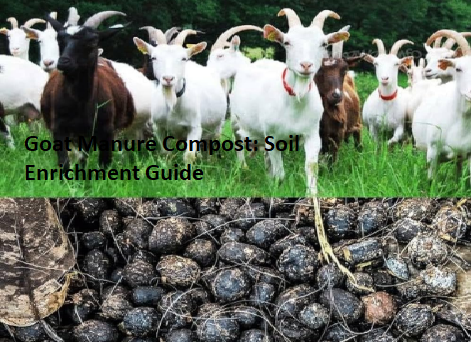
Integrating goat manure compost into your gardening routine provides a nutrient-dense solution for tired soil. Unlike many other animal fertilizers, these small, pelleted droppings are naturally dry and easy to handle without creating a mess. By breaking down this material through proper thermophilic processes, you transform a simple byproduct into a stable, pathogen-free soil amendment.
Understanding the specific nitrogen, phosphorus, and potassium ratios helps you apply this organic matter with precision. You will learn how to manage the decomposition timeline effectively, ensuring your garden beds receive the maximum benefit without the risk of plant burn or weed seed contamination.
What are the nutrient benefits of this fertilizer?
Goat manure compost is widely considered a “cold” or “gentle” fertilizer compared to poultry or horse waste. Because goats have highly efficient digestive systems, their manure contains fewer undigested weed seeds and pathogens than manure from cows or sheep. The typical N-P-K (Nitrogen-Phosphorus-Potassium) ratio for raw goat pellets usually hovers around 1.5-1.0-1.0.
While these numbers seem low, the true value lies in the organic matter that improves soil structure and water retention. By composting the material, you concentrate these nutrients into a bio-available form that plants can easily absorb.
Is it safe to use directly on plants?
You should never apply fresh goat manure directly to vegetable crops or delicate seedlings. Fresh waste contains high concentrations of ammonia and potential pathogens like E. coli or Salmonella. Direct application can lead to “fertilizer burn,” where the concentrated salts draw moisture away from the roots, causing the plant to wilt or die.
Composting acts as a biological filter, using heat to neutralize harmful bacteria and stabilize the chemical compounds. Always allow the pile to go through a full heating cycle before incorporating it into your garden beds.
The Science of Decomposition
The process of turning raw pellets into high-quality goat manure compost relies on the activity of aerobic microorganisms. These microscopic workers thrive in an environment with the right balance of carbon and nitrogen, often referred to as the C:N ratio.
Since goat manure is relatively nitrogen-rich, you must balance it with “brown” materials to prevent the pile from becoming slimy or foul-smelling. Aim for a mix that includes straw, dry leaves, or shredded cardboard to provide the necessary structure and airflow.
Heat production is the primary indicator that your composting process is working correctly. A properly managed pile should reach internal temperatures between 130°F and 160°F for several days. This heat range is sufficient to kill off most weed seeds and harmful pathogens that might have survived the goat’s digestive tract.
If your pile does not reach these temperatures, you may need to add more nitrogen-rich material or increase the moisture content. Monitoring the core temperature with a long-stemmed compost thermometer allows you to track the progress of the breakdown.
Managing Carbon and Nitrogen Ratios
Achieving the perfect balance in your pile requires a systematic approach to layering materials. Goat pellets are nitrogen-heavy, so you need to offset them with high-carbon ingredients to keep the pile from compacting. A general rule of thumb is to use a ratio of three parts carbon to one part nitrogen by volume.
If the pile smells like ammonia, it is a sign that you have too much nitrogen and not enough carbon. Adding more straw or wood shavings will quickly correct the balance and restore the aerobic environment.
Recommended composting ingredients
- Straw or hay (used bedding from the goat stall is ideal)
- Dry autumn leaves
- Shredded non-glossy cardboard or paper
- Kitchen scraps (non-meat, non-dairy)
- Small wood chips or sawdust
- Garden trimmings and weeds (pre-seed)
When you mix the soiled bedding from your barn directly into the compost, you are effectively recycling the waste. The straw has already absorbed liquid nitrogen from the goat urine, which accelerates the decomposition process.
This combination creates a balanced environment where microbes can multiply rapidly. Never include glossy magazines or treated wood, as these introduce chemicals that can leach into your food supply.
Aeration and Moisture Control
Oxygen is just as important as the carbon-nitrogen balance when producing quality goat manure compost. Microbes require air to break down organic matter efficiently, and if the pile becomes anaerobic, it will produce methane and foul odors.
Turning the pile once every two weeks introduces fresh oxygen and ensures that the outer, cooler materials are moved to the center. This turning process also helps break down clumps of pellets, allowing for a more uniform finished product.
Moisture levels should mimic the texture of a wrung-out sponge throughout the entire composting cycle. If the pile is too dry, the microbial activity will stall, and the decomposition process will stop entirely.
Conversely, too much water will displace the oxygen, leading to the same anaerobic issues as poor aeration. If you live in an area with high rainfall, consider covering your pile with a tarp to maintain control over the hydration levels.
The Role of Time and Temperature
The duration of the composting cycle varies based on your local climate and how frequently you turn the pile. Under ideal conditions, you can produce usable compost in as little as 3 to 6 months. If you are managing the pile passively without frequent turning, expect the process to take closer to a year.
Patience is vital, as a partially decomposed pile can still harbor the same risks as fresh manure. You know the compost is finished when it looks like dark, crumbly soil and has a pleasant, earthy scent.
| Method | Estimated Time | Effort Level |
| :— | :— | :— |
| Hot Composting | 3-4 Months | High |
| Passive Piling | 9-12 Months | Low |
| Vermicomposting | 4-6 Months | Medium |
Using the USDA Natural Resources Conservation Service guidelines for soil health, you can ensure your home composting practices align with sustainable agricultural standards. These standards emphasize the importance of organic matter in building resilient soil structures.
By following a structured timeline, you ensure that your goat manure compost is fully stabilized and safe for sensitive root systems. Always perform a simple seedling test by planting a few radish seeds in a sample of your finished compost before applying it to your entire garden.
Application Strategies for Different Crops
Once your compost is fully cured, the application method depends on the type of plants you are growing. For heavy feeders like tomatoes, peppers, and squash, you can mix a generous amount of finished compost into the planting hole.
This provides a slow-release source of nutrients that sustains the plants throughout the growing season. For root crops like carrots or radishes, incorporate the compost deeper into the soil to prevent “forking” or stunted growth caused by uneven distribution.
Top dressing is another highly effective way to use this amendment for perennial plants and shrubs. By spreading a layer of compost around the base of the plant, you suppress weeds and provide a steady supply of nutrients as the compost breaks down further.
Ensure the compost does not touch the stem or trunk of the plant directly, as this can encourage rot. A layer of mulch on top of the compost will help retain moisture and protect the beneficial soil organisms from UV exposure.
Identifying Common Pitfalls
Many new gardeners make the mistake of adding fresh manure to their garden in the fall, assuming it will compost over the winter. While this works in some climates, the low temperatures in many regions will cause the decomposition to pause entirely.
This leaves you with raw, un-composted manure in your garden beds when spring planting begins. Always finish the composting process in a dedicated pile or bin before spreading it on your garden beds.
Another frequent error involves using manure from goats that have recently been treated with strong medications or dewormers. These chemicals can persist in the manure and potentially harm the beneficial microbes in your soil or even affect your plants.
If you source manure from a farm, ask the owner about their animal health management practices. Avoiding manure from animals that have been recently dewormed ensures that your compost remains organic and safe for your vegetable garden.
Frequently Asked Questions
Does goat manure make better compost than cow manure?
Goat manure is generally considered higher in nitrogen and easier to handle because it is pelleted. It decomposes faster than cow manure, which often contains high amounts of undigested grass and requires more intensive management.
How do I know if my compost is fully ready?
Finished compost should be dark, crumbly, and have an earthy, pleasant smell. It should no longer resemble the original manure pellets or bedding materials.
Can I add goat manure to a worm bin?
Yes, goats’ manure is excellent for vermicomposting because of its size and nutrient profile. Ensure the manure has cooled down before adding it to the bin to avoid overheating the worms.
How often should I turn my compost pile?
Turning your pile every one to two weeks is ideal for hot composting. This provides oxygen and ensures that all materials are exposed to the high temperatures at the center of the pile.
Can I use goat manure on my lawn?
You can apply finished, screened compost to your lawn as a top dressing to improve soil health. Ensure it is fully decomposed to prevent burning the grass, and water it in thoroughly after application.
Final Thoughts on Soil Enrichment
Producing your own goat manure compost is an effective way to close the nutrient loop in your home garden. By transforming farm waste into a rich, dark soil amendment, you reduce your reliance on synthetic fertilizers while simultaneously improving your garden’s long-term health. The process requires consistency, particularly regarding moisture and aeration, but the results are visible in the vigor of your plants and the quality of your soil.
Start small by building a single pile and observing how it changes over the coming months. As you become more comfortable with the process, you will find that managing this organic resource becomes a natural part of your gardening rhythm. Whether you are improving clay-heavy ground or boosting sandy soil, this nutrient-dense material serves as a foundation for a truly productive growing season.
