

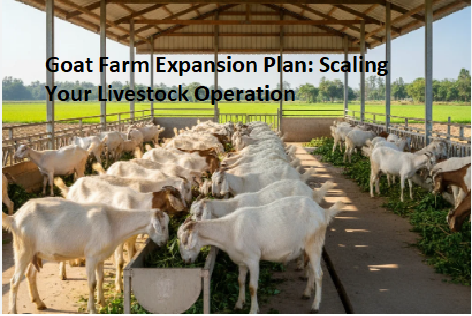
Developing a successful goat farm expansion plan requires a methodical approach that balances increased animal numbers with available land, capital, and labor resources. Many producers start with a small herd to test the market, but scaling up demands a shift from hobbyist management to a more rigorous, data-driven business model. By calculating your carrying capacity and projected cash flow early, you can avoid the common pitfalls of overstocking or under-capitalizing your operation.
This article outlines the essential steps to grow your herd sustainably while maintaining animal health and profitability. You will learn how to evaluate your current infrastructure, manage increased feed costs, and align your production goals with shifting market demand.
Evaluating Your Current Carrying Capacity
Before you add a single animal to your herd, you must assess the nutritional yield of your land. Carrying capacity is defined by the amount of forage your pastures provide throughout the year, not just during the peak growing season. If you currently run 20 goats on 10 acres, you cannot simply assume you can run 40 goats on the same land without supplemental feeding or intensive management.
Most experts recommend a stocking rate of roughly 6 to 10 goats per acre, depending heavily on soil quality, rainfall, and forage type. If your land is degraded or overgrazed, your first step in a goat farm expansion plan is investing in soil health rather than new livestock.
Conduct a forage test through your local agricultural extension service to determine the dry matter production per acre. This data point is critical for calculating how many additional animals your specific environment can support before you incur excessive costs for commercial hay or grain.
Financial Projections and Capital Requirements
Scaling up requires a significant infusion of cash for infrastructure, breeding stock, and increased veterinary care. You should build a detailed budget that tracks the cost of production per head, which typically includes feed, mineral supplements, vaccines, and shelter maintenance. A common mistake is failing to account for the “hidden” costs of expansion, such as the increased labor required for kidding season or the need for more efficient handling facilities.
When drafting your financial model, aim for a conservative estimate of mortality rates and market prices. If you expect a 15% increase in annual net profit, ensure your plan accounts for a potential 5% drop in market prices for goat meat or milk. You can use the following table as a template to compare your current operational costs with your projected expansion requirements.
| Category | Current Costs (50 Head) | Projected Costs (150 Head) |
|---|---|---|
| Feed and Mineral Supplements | $4,500 | $13,500 |
| Veterinary and Medication | $800 | $2,200 |
| Infrastructure Maintenance | $1,200 | $3,500 |
| Labor and Management | $0 (Owner-operated) | $12,000 (Part-time help) |
Infrastructure Upgrades for Larger Herds
As your herd size grows, the equipment that worked for a small group will likely become a bottleneck. You will need to transition from portable, small-scale fencing to more permanent, high-tensile electric fencing systems. These systems are essential for rotational grazing, which is the most effective way to maximize forage utilization and reduce parasite pressure.
Consider investing in a functional working chute or head gate to simplify medical procedures like deworming, hoof trimming, and pregnancy checking. Handling 10 goats manually is manageable, but attempting to manage 100 or more without proper restraint leads to unnecessary stress for both the animals and the farmer.
You should also evaluate your water distribution system. A larger herd requires higher flow rates and more robust troughs to ensure that all animals, especially high-producing milkers or nursing does, have constant access to clean water.
Genetic Improvement and Breeding Strategy
A goat farm expansion plan is only as strong as the genetics of your herd. Rather than just increasing the number of animals, focus on increasing the productivity per animal. This means identifying your top-performing does—those that consistently produce high-quality kids or high milk volumes—and retaining their offspring for your future breeding stock.
You should also look into introducing new, high-quality bucks to improve the overall vigor and growth rates of your herd. Avoid the temptation to keep every doe kid just to fill empty stalls.
Cull underperforming animals that require more resources than they return in profit, as they are a drag on your overall business efficiency. A well-managed breeding program allows you to reach your production targets with fewer, higher-quality animals, which reduces your overhead and improves your bottom line.
Market Analysis and Sales Channels
Before you scale production, identify exactly where your additional output will go. If you are selling meat goats, analyze whether you are targeting ethnic markets, local restaurants, or direct-to-consumer sales. Each channel has different requirements for carcass weight, seasonality, and slaughter certification.
For milk producers, ensure you have secure contracts with creameries or a consistent customer base for raw or pasteurized milk products. Relying on a single buyer is high-risk, especially when you are increasing your investment in the farm. Diversification is key.
Consider building relationships with multiple wholesalers or exploring value-added products like goat cheese, soap, or yogurt to capture more of the retail margin. The United States Department of Agriculture (USDA) provides extensive market reports that can help you track national price trends for livestock and dairy products.
Managing Herd Health and Biosecurity
Increased animal density significantly elevates the risk of disease transmission. Your expansion plan must include a robust biosecurity protocol to protect your investment. This includes a strict quarantine period of at least 30 days for any new animals brought onto the property, regardless of where they originated.
You should also establish a closer working relationship with a large-animal veterinarian who has specific experience with small ruminants. As you scale, you will likely encounter health issues related to internal parasites, such as Haemonchus contortus, which thrive in high-density grazing environments.
Integrate a FAMACHA scoring system into your routine health checks to monitor anemia and target deworming efforts. Keeping your herd healthy is far less expensive than treating a full-blown outbreak, and it is essential for maintaining the growth trajectory of your operation.
Labor Management and Scaling Operations
Many family-run farms struggle when they reach the “middle ground” of expansion—where the workload is too much for one person but not yet enough to justify a full-time employee. You must decide whether to automate tasks or hire help. Automation can include self-filling waterers, automatic feeders, or improved sorting gates that allow you to manage the farm more efficiently.
If you decide to hire, document your standard operating procedures (SOPs) clearly. This ensures that tasks like feeding, cleaning, and record-keeping are performed consistently, regardless of who is doing the work. A professional approach to management will help you maintain high animal welfare standards during the transition.
Remember that your time is a finite resource. If you spend all your energy on manual labor, you will have no time left to analyze your data, manage your finances, or explore new market opportunities.
Sustainable Pasture and Resource Management
Expanding your herd size puts immense pressure on your natural resources. You must implement a strict rotational grazing schedule to allow pastures to recover between grazing periods. Continuous grazing leads to soil compaction and the spread of weeds, which eventually reduces the total amount of forage available for your goats.
Consider the following list of essential management practices for maintaining healthy, productive pastures during an expansion:
-
- Establish a permanent perimeter fence to define your grazing boundaries.
-
- Use temporary, movable electric fencing to create smaller paddocks for daily rotations.
-
- Monitor plant height; move goats to a new paddock when forage is grazed down to 3-4 inches.
-
- Perform regular soil testing and apply lime or fertilizer as needed to promote clover and grass growth.
-
- Implement a weed control strategy to prevent invasive species from outcompeting your forage.
Frequently Asked Questions
What is the most common reason goat farm expansions fail?
The most common cause of failure is under-capitalization, specifically failing to account for the increased feed costs during the winter months or during periods of drought. Many farmers underestimate the amount of stored forage required to support a larger herd, leading to a cash flow crisis when they are forced to buy expensive hay.
How many acres do I need to raise 100 goats?
Assuming an average stocking rate of 8 goats per acre, you would need approximately 12 to 13 acres of well-managed, productive pasture. However, if your land quality is poor or you do not practice rotational grazing, you may need significantly more land or rely heavily on supplemental feeding.
Is it better to expand by breeding or buying?
Expanding by breeding is generally safer and more sustainable because it allows you to select for traits that perform well in your specific environment. Buying new stock is faster but introduces significant biosecurity risks, as you never know the health history or parasite status of animals coming from other farms.
What does baking soda do for goats?
Baking soda is a free-choice mineral supplement that helps regulate the pH levels in a goat’s rumen. It can help prevent bloat and acidosis, especially when goats are on high-grain diets or consuming lush, spring pasture. It is not a cure-all, but it is a standard, low-cost tool for maintaining digestive health.
How do I know if my farm is ready to scale?
Your farm is ready to scale when you have a consistent profit margin per head, a well-established market for your current output, and a clear, written plan for how you will handle the increased management requirements. If you are struggling to keep up with current chores or are not tracking your expenses, you are not ready to expand.
Conclusion
Executing a successful goat farm expansion plan requires more than just adding more animals to your fields; it demands a shift in how you manage your land, your capital, and your time. By focusing on productivity per head and maintaining a disciplined approach to financial and health management, you can build a resilient operation that thrives at scale. Always prioritize the health of your soil and the quality of your forage, as these are the true drivers of long-term profitability in the livestock industry.
As you move forward, continue to refine your processes and stay responsive to the needs of your customers. A well-considered approach to growth will ensure your farm remains a viable and productive asset for years to come.
