

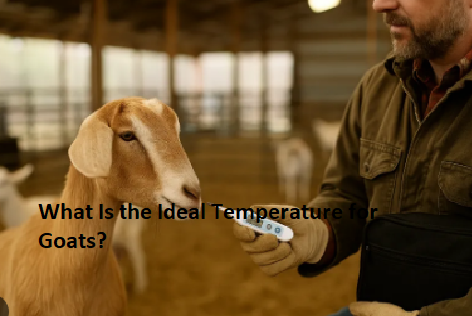
Understanding the ideal temperature for goats is essential for maintaining a healthy, productive herd throughout the changing seasons. While these animals are remarkably hardy, they have specific metabolic needs that shift based on their age, breed, and current environment. Getting this balance right prevents stress, promotes better weight gain, and ensures your animals remain resilient against common respiratory issues.
By recognizing the comfort zones of your livestock, you can make informed decisions about shelter, bedding, and supplemental feeding. This guide explores the biological realities of goat thermoregulation and provides actionable steps to keep your animals thriving regardless of the weather outside.
The ideal temperature for goats generally falls within a thermoneutral zone of 32°F to 68°F (0°C to 20°C). Within this range, a healthy goat can maintain its core body temperature without significantly altering its metabolic rate or behavior. When temperatures drop below this threshold, the animal must burn more calories to stay warm, which can lead to weight loss if their feed intake isn’t adjusted.
Conversely, when the mercury rises above this range, goats begin to struggle with heat dissipation. They lack the efficient sweat glands found in humans, making them vulnerable to heat stress during prolonged summer spikes.
Understanding the Thermoneutral Zone
The thermoneutral zone is the ambient temperature range where an animal is most comfortable. For most adult goats, this window is quite broad, allowing them to adapt to diverse climates across the globe. When the temperature stays within these bounds, the goat’s body functions optimally without extra energy expenditure.
If the environment falls significantly outside these numbers, the animal enters a state of thermal stress. They must then divert energy away from production—such as milk output or muscle growth—to either generate heat or cool themselves down.
Factors Influencing Thermal Comfort
Several variables influence how a goat perceives the temperature in its immediate environment. The most significant factor is the animal’s coat condition and its current state of health. A goat with a thick, winter-grown coat is naturally more resistant to freezing temperatures than one that has just been sheared.
Similarly, a lactating doe or a growing kid has higher energy demands, making them more sensitive to extreme fluctuations than a dry, mature wether. You must assess the individual needs of your herd rather than applying a blanket rule to every animal.
Managing Cold Weather Requirements
When winter temperatures fall below the ideal range, your primary goal is to minimize energy loss. Goats are surprisingly capable of handling sub-freezing temperatures as long as they have a dry, draft-free place to sleep. Moisture is the greatest enemy of a goat in winter, as wet fur loses its insulating properties.
Ensure that your barn or shelter stays ventilated enough to prevent moisture buildup from their breath, but tight enough to block biting winds. Providing extra straw or wood shavings for bedding helps prevent body heat from leaching into the cold ground.
| Animal Category | Preferred Temp Range | Critical Low Threshold |
| :— | :— | :— |
| Adult Dairy Goat | 32°F – 68°F | 10°F |
| Newborn Kid | 65°F – 75°F | 50°F |
| Meat Goat (Hardy) | 25°F – 70°F | 0°F |
| Sick/Injured Goat | 70°F – 75°F | 60°F |
Protecting Newborn Kids in Winter
Newborn kids are the most vulnerable members of your herd, especially when the ambient temperature is low. Unlike adults, they lack the body mass and the thick coat necessary to retain heat effectively in extreme conditions. If a kid is born during a cold snap, it requires immediate intervention to prevent hypothermia.
Providing a heat lamp or moving the mother and kid into a climate-controlled kidding stall is a common practice among experienced breeders. Always ensure the heat source is securely fastened, as goats are curious and can easily knock items over, creating a fire hazard.
Dealing with High Summer Temperatures
Heat stress is a common issue for goat owners living in regions with humid, high-temperature summers. Because goats do not sweat effectively, they rely on panting and seeking shade to regulate their internal temperature. Temperatures above 85°F start to inhibit their appetite, which can cause a drop in milk production or a slowdown in growth.
You can help them cope by providing ample access to fresh, cool water at all times. Studies regarding livestock management, such as those provided by the Penn State Extension, emphasize that water intake is the most critical factor for thermoregulation during hot spells.
Practical Cooling Strategies
If your area faces regular heat waves, you may need to implement active cooling measures for your herd. Fans are highly effective in a barn setting, as they move air across the animals’ skin and help evaporate moisture. Providing a misting system can also drop the ambient temperature around the shelter by several degrees, though you must be careful not to create a damp, humid environment that promotes fungal growth.
Always ensure that the goats have a shaded, breezy area to retreat to during the heat of the day. Avoid working or moving your goats during the peak hours of sun exposure to prevent unnecessary exertion.
Signs of Thermal Stress
Monitoring your herd for physical signs of stress is just as important as watching the thermometer. A goat experiencing cold stress will often hunch its back, shiver, or stand with its tail tucked in a desperate attempt to conserve heat. In contrast, a goat suffering from heat stress will stand with its head low, pant rapidly, and show a marked disinterest in grazing.
If you notice these symptoms, you must act quickly to modify the environment or move the animal to a more suitable location. Early intervention is the key to preventing long-term health complications.
Dietary Adjustments for Temperature Extremes
Your feeding strategy should shift in alignment with the seasons and the prevailing temperature. During cold months, the process of digesting fiber in the rumen generates internal heat, which is a major benefit for the animal. Providing high-quality hay or forage ensures they have the energy required for this metabolic “furnace.”
In the summer, you may want to feed during the cooler early morning or late evening hours to encourage intake. Avoid feeding large, heavy meals during the middle of the day when the ambient temperature is at its peak, as this can increase the animal’s internal body heat.
Essential Equipment for Temperature Management
Maintaining the right environment requires a few standard pieces of equipment that every goat owner should have on hand. A reliable digital thermometer placed inside the barn gives you an accurate reading of the conditions your animals are experiencing. Water heaters are indispensable in freezing climates to ensure the water supply doesn’t turn into a block of ice.
Proper ventilation systems, such as ridge vents or adjustable windows, allow you to control airflow without exposing the animals to direct drafts. Investing in these tools reduces the labor required to keep your herd comfortable throughout the year.
- Insulated Water Buckets: Prevents freezing and encourages hydration.
- High-Quality Forage: Provides the necessary energy for metabolic heat production.
- Draft-Free Housing: Essential for preventing respiratory issues in cold weather.
- Shade Structures: Necessary for protecting animals from direct solar radiation.
- Bedding Materials: Straw, wood shavings, or corn stalks provide a thermal barrier.
- Ventilation Fans: Crucial for circulating air during humid, hot months.
Frequently Asked Questions
What is the lowest temperature a goat can safely tolerate?
While the ideal temperature for goats is within the thermoneutral zone, healthy adult goats can tolerate temperatures near 0°F if they are provided with a dry, draft-free shelter and plenty of high-quality hay. The combination of wind and moisture is far more dangerous to a goat than the actual air temperature.
Do goats need a heater in their barn during winter?
Most goats do not require a space heater in their barn if they have adequate bedding and a well-constructed, dry shelter. Providing extra calories through high-quality hay is a more natural and safer way to help them generate internal body heat. Only use heating equipment if you are caring for newborns, sick animals, or breeds that are not acclimated to your local climate.
How do I know if my goat is too hot?
Signs of heat stress include rapid panting, lethargy, loss of appetite, and the animal seeking out cooler surfaces like dirt or concrete to lie on. If you see a goat standing with its head down and tongue protruding, it is likely in distress and needs immediate shade, water, and air circulation.
Does breed affect the ideal temperature for goats?
Yes, breed differences play a significant role in temperature tolerance. Thicker-coated breeds, such as Cashmere or Angora goats, are naturally more resilient to cold temperatures compared to thinner-skinned dairy breeds like the Nubian. When selecting a breed, consider your local climate to ensure the animals will be comfortable throughout the year.
What is the best way to keep water from freezing?
Using a submersible tank heater or an insulated, heated water bucket is the most effective way to ensure your goats have access to liquid water during the winter. Goats are sensitive to the temperature of their water, and they will often drink significantly less if the water is near freezing, which can lead to dehydration and impaction colic.
Managing the environment for your herd is a continuous process that requires observation and timely adjustments. By focusing on the ideal temperature for goats and ensuring they have the resources to stay within their comfort zone, you build a foundation for long-term health and productivity. Whether you are prepping for a harsh winter or a sweltering summer, the goal remains the same: provide dry shelter, adequate nutrition, and access to fresh water.
Your goats will reward your diligence with better weight gain, stronger immune systems, and a more resilient presence on your farm. Keep a close eye on their behavior as the seasons change, and don’t hesitate to modify your setup to meet their specific needs. If you have questions about your specific climate or herd, reach out to your local agricultural extension office for advice tailored to your region.
