

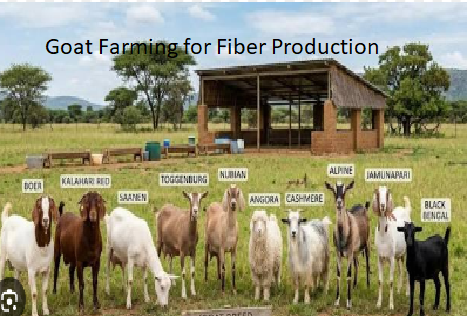
Starting goat farming for fiber production requires a clear understanding of the difference between luxury textiles and standard agricultural commodities. Many new producers enter the industry expecting immediate high-end returns, but the reality is that success depends on breed selection, processing capabilities, and market access.
Whether you focus on cashmere or mohair, managing your herd for quality rather than quantity is the key to long-term profitability. This overview helps you evaluate the financial requirements, animal husbandry needs, and market realities that define success in this specialized sector of the livestock industry.
Economic Feasibility and Initial Investment
The primary question for most entrants in goat farming for fiber production is whether the venture can be profitable. You should expect to spend between $15,000 and $25,000 to establish a small, high-quality starter herd of 10 to 15 fiber goats, including basic infrastructure like predator-proof fencing and shelter. These figures do not include the purchase of land, which remains the single largest capital expense.
Revenue is highly variable, as raw fiber prices fluctuate based on global demand for luxury yarns, but a mature, high-quality Angora doe can produce 4 to 6 pounds of mohair annually. Producers who focus on value-added products, such as hand-spun yarn or finished garments, often see profit margins 300% higher than those selling raw fiber to bulk processors.
Choosing the Right Breed for Your Climate
Selecting the correct breed is the most critical technical decision you will make. Mohair comes from the Angora goat, which is renowned for its long, lustrous locks and high fleece weight. Cashmere, on the other hand, is the soft undercoat harvested from various goat breeds, including the Cashmere goat and certain crosses.
Angora goats are generally more sensitive to moisture and cold, requiring dry, draft-free housing to maintain the integrity of their fleece. Cashmere goats are typically hardier and better suited for harsher, arid environments where they naturally develop a thick undercoat to survive sub-zero temperatures.
Land Management and Herd Density
Effective land management prevents overgrazing and minimizes internal parasite loads, which are the leading causes of health issues in small ruminants. For a sustainable operation, you should allocate roughly one acre of well-managed pasture for every 6 to 8 goats. Overstocking is a common mistake that leads to soil degradation and increased veterinary costs.
You must implement a rotational grazing system to break the parasite life cycle, moving your herd every 7 to 10 days to fresh paddocks. This practice not only keeps the goats healthier but also encourages the growth of high-quality forage that supports better fiber density and length.
Nutritional Requirements for Fiber Growth
Fiber production is a metabolic luxury for a goat; if the animal is under stress or malnourished, the body will prioritize basic survival over hair growth. You must provide a balanced diet that is high in protein and sulfur-containing amino acids to support keratin production. During the winter months, when forage is scarce, high-quality alfalfa hay is often necessary to ensure the goats maintain their body condition score.
A failure to provide consistent nutrition will result in a “break” in the fiber, which significantly reduces the value of the fleece at auction. You can find detailed nutritional guidelines through the eXtension Foundation, which provides evidence-based agricultural resources for small-scale farmers.
The Annual Shearing Cycle
Shearing is the most labor-intensive event in the calendar for any fiber producer. Angora goats are typically shorn twice a year, while cashmere goats are usually combed or shorn once, depending on the season and the climate. You must time your shearing schedule to avoid exposing the animals to extreme cold immediately after their coat is removed.
Many producers invest in professional shearing equipment, including high-torque clippers and specialized combs, to ensure a clean harvest without double-cutting the fiber. A clean, debris-free fleece is essential, as the presence of vegetable matter like burrs or straw can downgrade the price of your fiber by up to 50%.
Comparing Fiber Types and Market Value
Understanding the market distinction between different types of animal fibers is vital for setting your business strategy. While both cashmere and mohair are luxury items, they occupy different niches in the textile manufacturing world. The table below highlights the fundamental differences in output and typical market application for these two primary fiber types.
| Fiber Type | Average Yield per Year | Primary Use | Processing Difficulty |
|---|---|---|---|
| Mohair | 8–12 lbs (Total) | Suiting, upholstery, high-end knitwear | Moderate |
| Cashmere | 0.5–1.5 lbs | Luxury sweaters, scarves, blankets | High (de-hairing required) |
Infrastructure and Predator Control
Predators represent a constant threat to the viability of goat farming for fiber production. Coyotes, bobcats, and stray dogs are the primary culprits, and you must invest in robust physical barriers. A woven-wire fence that is at least 48 inches high with an additional electrified strand is the industry standard for deterring most predators.
Many successful farms also utilize livestock guardian dogs, such as Great Pyrenees or Anatolian Shepherds, which are specifically bred to bond with and protect goat herds. These dogs are an ongoing expense, requiring food, training, and veterinary care, but they are often more effective than static fencing alone.
Sorting, Grading, and Value Addition
Selling raw, unsorted fiber will rarely yield a profit that sustains a business. You must learn to skirt your fleeces, which involves removing the stained or dirty edges and any locks contaminated with manure or debris. Sorting fiber by micron count and length allows you to market your product to different buyers, such as hand-spinners who pay a premium for consistent, clean fiber.
If you choose to process your own fiber, you will need to invest in carding machines, spinning wheels, or even small-scale looms. This vertical integration allows you to capture the retail value of the finished yarn rather than settling for the wholesale price of raw material.
Common Challenges and Herd Health
Maintaining a healthy herd is the most difficult aspect of managing fiber goats. Internal parasites, specifically Haemonchus contortus, are a major threat and require a proactive management strategy. You should perform regular FAMACHA scoring to monitor anemia levels and minimize the use of chemical dewormers to prevent the development of drug-resistant parasite strains.
Respiratory issues are another common concern, especially in humid environments where mold spores can lead to pneumonia. Proper ventilation in barns is non-negotiable; even in the middle of winter, a barn must have enough airflow to prevent the buildup of ammonia and moisture.
Frequently Asked Questions
Which goat breed is best for beginners?
Most experts recommend starting with Angora goats if your goal is mohair production, as they are generally more docile and easier to handle than some of the more primitive cashmere-producing breeds. They also have a more standardized market, making it easier for a newcomer to sell their first few clips.
What is the most common cause of death in fiber goats?
Internal parasites are widely considered the number one cause of mortality and production loss in small-scale fiber goat herds. If left unchecked, these parasites cause severe anemia and malnutrition, which weakens the animal’s immune system and renders them susceptible to secondary infections.
How much land is needed for 100 goats?
While the exact amount depends on your local climate and soil quality, a standard rule of thumb is to have at least 15 to 20 acres of rotational grazing land for 100 goats. This ensures you have enough forage to support the animals throughout the growing season without stripping the land bare.
Is goat fiber actually worth the effort?
Raw fiber prices can be volatile, but the value of high-quality, hand-processed fiber is consistently high in the artisan craft market. If you treat your operation as a hobby, the costs will likely exceed your income; if you approach it as a value-added business, it can be a supplemental source of income.
Can I keep fiber goats with other livestock?
Yes, goats can often share pastures with cattle or horses, which can actually help with parasite control because these species have different parasite cycles. However, you must be careful about competition for forage and ensure that your fencing is secure enough to keep the goats in and predators out.
Conclusion
Success in goat farming for fiber production is rarely about the animals themselves and almost always about the quality of the end product. By prioritizing superior genetics, diligent pasture management, and a focus on value-added processing, you can create a sustainable niche in the textile industry. Remember that your fiber is only as valuable as the care you put into it, from the day the goat is born until the finished yarn is sold.
If you are prepared to invest the time required for careful breeding and meticulous sorting, you will find that the market for high-quality, natural fibers is both rewarding and resilient. Start small, focus on building a healthy herd, and scale your processing capabilities as you gain experience in the trade.
