

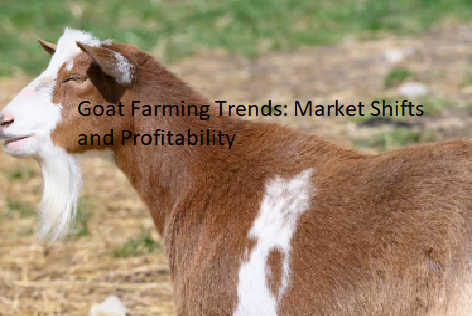
Modern goat farming trends indicate a significant pivot toward niche dairy production and sustainable land management practices. Producers are increasingly moving away from subsistence-level operations to focus on high-value products like artisan cheeses and specialty meats. Understanding these shifts allows farmers to align their operations with current consumer demand and economic realities.
Current Market Valuation and Growth Projections
Recent goat farming trends reveal that the sector is experiencing a steady increase in valuation, particularly in the United States and parts of Europe. Market analysis suggests that the demand for goat milk and meat has outpaced traditional cattle production in specific demographics. Consumers are increasingly seeking alternatives to cow milk due to digestibility concerns and perceived health benefits.
The global goat milk market is projected to reach approximately $15 billion by 2028, according to data from industry analysts. Small-scale farmers are capitalizing on this by integrating value-added processing directly on the farm. By producing yogurt, kefir, or aged cheeses, they capture a larger share of the retail dollar rather than selling raw product to wholesalers.
Regional Performance Metrics
Production intensity varies significantly by region, with Mediterranean countries maintaining long-standing traditions of dairy production. In North America, the trend leans toward meat goats, specifically Boer breeds, which are highly valued for their fast growth rates and carcass yield. Producers in the American Midwest have seen consistent growth in demand for chevon, the culinary term for goat meat, driven by ethnic markets and upscale dining establishments.
Investment in genetics has become a hallmark of modern operations looking to scale efficiently. Breeders are selecting for parasite resistance and feed conversion efficiency, which directly impacts the bottom line. Reducing the reliance on chemical dewormers has also become a priority, as organic certification allows for premium pricing at local farmers’ markets.
Efficient Land Use and Stocking Density
Goat farming trends emphasize precision in land management, as overgrazing can quickly degrade pasture quality. A standard rule of thumb for intensive production is that an operation can support 6 to 10 adult goats per acre, depending on the forage quality and supplementation. Rotational grazing is the primary method used to maintain soil health and reduce internal parasite loads in the herd.
Effective land use requires a layout that minimizes animal stress and maximizes forage intake. Farmers are increasingly using portable electric fencing to divide pastures into smaller paddocks. This technique forces goats to graze uniformly and allows for longer rest periods for the grass to recover between rotations.
Infrastructure Requirements
Infrastructure needs are evolving alongside these management practices. Modern barns prioritize ventilation and low-stress handling systems over expensive, climate-controlled enclosures. A simple three-sided shelter is often sufficient for most climates, provided it offers protection from prevailing winds and moisture.
| System Type | Stocking Rate (per acre) | Primary Output |
|---|---|---|
| Extensive Pasture | 2-4 head | Meat/Fiber |
| Rotational Grazing | 6-10 head | Meat/Dairy |
| Zero-Grazing (Dry Lot) | 15+ head | High-volume Dairy |
The Rise of Artisan Dairy Production
One of the most prominent goat farming trends is the transition toward artisan dairy processing. Farmstead creameries allow producers to sell directly to consumers, bypassing the volatile commodity markets. This approach requires strict adherence to food safety regulations but offers significantly higher profit margins.
The cost of entry for a small-scale creamery involves specialized equipment like pasteurizers, cheese vats, and climate-controlled aging rooms. Many farmers start by partnering with local craft breweries or wineries to create unique product pairings. These collaborations build brand awareness and attract customers who are willing to pay a premium for locally sourced, high-quality goat cheese.
Regulatory Compliance and Quality Control
Operating a dairy business requires rigorous record-keeping to satisfy state and federal health departments. Milk testing, somatic cell count monitoring, and sanitation logs are essential components of a modern dairy operation. Maintaining a high standard of hygiene is not just a regulatory necessity; it is a marketing tool that builds consumer trust.
Technological Integration in Herd Management
Precision agriculture has moved from row-crop fields to livestock pastures. Current goat farming trends include the use of wearable sensors to track animal health and breeding cycles. These devices can alert a farmer to a goat’s heat cycle or potential illness long before physical symptoms appear.
Automated milking parlors are also becoming more accessible for mid-sized operations. These systems reduce labor requirements and provide real-time data on milk yield per animal. Identifying low-producing goats allows for better culling decisions, which improves the overall genetic potential of the herd over time.
Data-Driven Breeding
Breeding programs are now heavily reliant on performance data rather than anecdotal evidence. Farmers keep detailed records of birth weights, weaning weights, and milk production levels. Using this information to make breeding decisions ensures that the herd improves incrementally every year.
* Performance Tracking: Using ear tags with RFID chips for individual animal identification.
* Health Monitoring: Implementing FAMACHA scoring to manage internal parasites without over-using anthelmintics.
* Financial Analysis: Tracking feed costs per pound of gain to identify the most profitable bloodlines.
* Marketing Outreach: Utilizing social media to sell breeding stock or direct-to-consumer dairy products.
Sustainability and Regenerative Practices
Environmental stewardship is a central pillar of contemporary goat farming trends. Goats are increasingly utilized for targeted grazing services, where they are hired to clear invasive species or manage fire-prone brush. This service provides a secondary income stream while improving the ecological health of the landscape.
Unlike cattle, goats are browsers, not grazers, meaning they prefer brush and woody plants over grass. This dietary preference makes them excellent tools for land restoration projects. Municipalities and private landowners are paying for these services, recognizing that goats provide a non-toxic alternative to chemical herbicides.
Building Soil Carbon
Regenerative grazing practices aim to increase soil organic matter through the strategic movement of livestock. By rotating herds frequently, farmers stimulate plant growth and increase the amount of carbon sequestered in the soil. This approach is gaining traction among producers who want to participate in carbon credit markets or simply improve their land’s long-term productivity.
Economic Viability and Income Diversification
Diversification is essential for the long-term success of any agricultural business. Successful operations often combine several revenue streams to balance the risks associated with market fluctuations. For instance, a farm might sell milk, meat, and breeding stock while also offering agritourism experiences like goat yoga or farm tours.
Understanding the seasonal nature of the market is crucial for financial planning. In many regions, the demand for goat meat peaks during specific cultural or religious holidays. Farmers who time their kidding cycles to align with these peaks can capture significantly higher prices for their animals.
Cost Management Strategies
Input costs, particularly feed, represent the largest expense for most producers. Many are moving toward silvopasture systems, where livestock graze in areas with tree cover. This provides shade for the animals and additional forage sources that aren’t dependent on seasonal grass growth.
For more information on livestock management, you can consult the USDA Natural Resources Conservation Service, which offers detailed guides on grazing management and conservation planning. Applying these principles helps lower overhead while increasing the resilience of the operation.
Challenges in the Modern Landscape
Despite the growth in demand, the industry faces significant hurdles. Predator control remains a primary concern for many farmers, often requiring the use of livestock guardian dogs or specialized fencing. The cost of labor is another limiting factor, as dairy production is inherently labor-intensive and difficult to automate completely.
Supply chain disruptions have also highlighted the need for local food systems. When industrial processing plants face closures or delays, small-scale producers with their own processing capabilities are better positioned to weather the storm. Independence from large-scale processors is a growing trend among resilient, small-acreage farms.
Biosecurity and Disease Management
Maintaining a closed herd or strictly quarantining new arrivals is necessary to prevent the introduction of diseases like Caseous Lymphadenitis (CL) or Caprine Arthritis Encephalitis (CAE). These conditions can devastate a herd’s productivity and value. Proactive health management is an investment that pays for itself by avoiding the loss of expensive breeding stock.
FAQ: Common Questions on Goat Farming
What is the most profitable breed for a beginner?
The profitability of a breed depends on your specific market goals. For meat, the Boer goat is the industry standard for growth rates. For dairy, Saanen or Alpine goats are generally favored for their high milk volume and manageable temperament.
How do I know if I have enough land?
Stocking density depends on your forage quality and rainfall. A general starting point is one acre for every 6 to 10 goats, but you must supplement with high-quality hay if the pasture is dormant or of poor quality. Always prioritize the health of the soil over maximizing the number of animals.
Are goats difficult to keep healthy?
Goats are susceptible to internal parasites and require a diligent management plan. By using rotational grazing and monitoring health markers like the FAMACHA score, you can manage these risks effectively. They are hardy animals, but they do not tolerate wet, muddy conditions well.
How much does it cost to start a small herd?
The cost varies wildly based on whether you buy high-end registered breeding stock or commercial-grade animals. A modest startup with five high-quality does and one buck, including basic fencing and shelter, can range from $2,500 to $5,000. Ongoing costs for feed, vet care, and infrastructure maintenance will add to the initial investment.
Future Outlook and Strategic Planning
The future of the industry looks bright as consumer interest in sustainable, locally sourced protein continues to climb. Future goat farming trends will likely focus on even deeper integration of technology and more sophisticated marketing strategies. Producers who can communicate their values—whether those involve organic practices, animal welfare, or local heritage—will find a loyal customer base.
Success in this field requires a combination of animal husbandry skills and business acumen. You must be as comfortable managing a budget as you are managing a kidding season.
By focusing on efficiency, product quality, and direct-to-consumer relationships, you can build a sustainable operation that thrives in the evolving agricultural landscape. Start small, track your data, and scale based on your actual market demand.
