

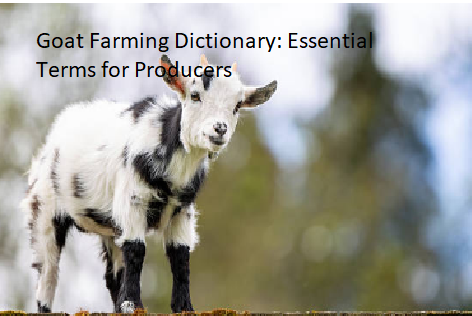
Navigating a goat farming dictionary helps new producers understand the specific language used in livestock management. Whether you are managing a small homestead herd or a commercial dairy operation, mastering these terms ensures you can communicate effectively with veterinarians and fellow breeders.
This collection of terminology provides the foundation for identifying, raising, and marketing goats successfully. You will gain clarity on breed classifications, reproductive cycles, and common animal husbandry practices used globally.
The term for a goat farmer is a caprine producer or a goat herdsperson. While some people simply call themselves goat farmers, industry professionals often use the term caprine husbandry to describe the act of raising these animals.
If you are specifically focused on dairy production, you might refer to yourself as a goat dairyman or dairy producer. Understanding these labels helps when you are applying for agricultural grants or joining specialized livestock associations.
Understanding Caprine Life Stages
A doe is a female goat that has reached sexual maturity, while a buck is an uncastrated male. When a male goat is castrated, it is referred to as a wether.
These three terms represent the most basic building blocks of any herd management plan. You will see these designations used in every auction catalog, health record, and registration paper you encounter.
A kid is a goat that is under one year of age. Female kids are often called doelings, and young males are referred to as bucklings.
These terms are vital for tracking growth rates and determining when an animal is ready to be sold or bred. Keeping accurate records of these age-based labels helps you make informed decisions about herd culling and replacement strategies.
Reproductive and Breeding Terminology
Kidding refers to the process of a doe giving birth. Unlike cows that calve or sheep that lamb, goats have a unique term that specifically denotes the arrival of kids.
Gestation in goats usually lasts between 145 and 155 days, with the average being approximately 150 days. Monitoring these dates is essential for ensuring the health of both the doe and the newborn kids.
A buck in rut is a male goat exhibiting hormonal behavior during the breeding season. During this time, the buck may become aggressive and emit a strong odor to attract does.
Experienced producers often separate bucks during this period to prevent accidental breeding or injury to other herd members. Understanding the signs of rut is a core skill for any successful breeder.
Common Goat Management Metrics
| Term | Definition |
| :— | :— |
| Browsing | The act of eating leaves, shrubs, and woody plants |
| Disbudding | The removal of horn buds in young kids |
| Drenching | Administering liquid medication orally to a goat |
| Freshening | The act of a doe beginning milk production after kidding |
| Polled | An animal born without the genetic potential to grow horns |
Breeding and Genetics Concepts
Linebreeding is a selective breeding practice that involves mating related goats to concentrate specific desirable traits. This method requires careful record-keeping to avoid inbreeding depression, which can weaken the overall health of your herd.
Genetic diversity remains a priority for many producers to ensure resistance to common parasites like barber pole worms. You should consult breed association standards to determine if your specific goats meet the conformational requirements for their breed.
Crossbreeding is the mating of two different breeds to produce offspring with hybrid vigor. This practice is common in meat goat production where producers want to combine the fast growth of one breed with the hardiness of another.
A popular cross might involve Boer goats for meat yield and Kiko goats for parasite resistance. Always track your breeding outcomes to see if the cross-bred offspring meet your specific production goals.
Anatomy and Physical Characteristics
The bridge of the nose on a goat is often described as having a Roman or dished profile. A Roman nose curves outward, which is common in breeds like the Nubian.
A dished face, often seen in Alpine or Saanen breeds, curves inward toward the eyes. These physical markers are not just for aesthetics; they are often used by judges in show rings to assess breed purity.
Wattles are small, fleshy appendages that hang from the neck area of some goats. They serve no known biological purpose and are considered a genetic trait that can be passed down to offspring.
Some producers prefer goats with wattles, while others find them a nuisance during shearing or medical treatments. Regardless of your preference, they are a harmless physical characteristic that helps in identifying individual animals.
Feeding and Nutrition Vocabulary
Browsers are animals that prefer to eat leaves, twigs, and bark rather than grazing on grass. This distinction is critical because goats have different nutritional requirements than sheep or cattle.
Providing a diet that mimics their natural browsing behavior can significantly improve their overall health and milk production. You can find detailed nutritional guidelines at the United States Department of Agriculture for managing pasture health.
Concentrates are high-energy feeds like grains or pellets given to supplement a goat’s diet. These are typically used for high-producing dairy does or kids that need extra calories to grow quickly.
Feeding too many concentrates without enough roughage can lead to digestive issues like acidosis. Always balance your feeding program to ensure a mix of high-quality forage and appropriate supplemental grain.
Health and Disease Management
FAMACHA scoring is a technique used to assess the level of anemia in a goat caused by internal parasites. By checking the color of the inner eyelid, you can determine if a goat needs deworming treatment.
This method helps prevent the overuse of anthelmintics, which can lead to drug-resistant parasites on your farm. It is a fundamental tool for any producer concerned with long-term herd health.
Coccidiosis is a common intestinal disease caused by protozoa that affects young kids. It often appears during periods of stress, such as weaning or transport, leading to diarrhea and weight loss.
Proactive management involves keeping housing areas dry and clean to limit the environmental spread of the parasite. Early intervention with prescribed medication is necessary to prevent significant losses in your kid crop.
Goat Farming Equipment and Infrastructure
A kidding pen is a small, enclosed area used to isolate a doe before and after she gives birth. This space protects the newborn kids from being trampled by other goats and allows for close monitoring.
Most producers keep the doe and her kids in this pen for at least 24 to 48 hours to ensure proper bonding. Proper sanitation of these pens is essential to prevent the spread of bacteria to vulnerable newborns.
Creep feeding is a practice where you provide a small area for kids to access supplemental feed that the adults cannot reach. This allows young goats to start eating solid food without competition from the rest of the herd.
It promotes faster growth rates and prepares the kids for weaning at a younger age. You must ensure the creep area is sturdy and safe to prevent curious kids from getting stuck.
Industry Acronyms and Standards
* ADGA: American Dairy Goat Association, which registers purebred dairy goats.
* ABGA: American Boer Goat Association, the primary registry for meat-type Boer goats.
* CAE: Caprine Arthritis Encephalitis, a viral disease that can cause joint inflammation.
* CL: Caseous Lymphadenitis, a bacterial disease that causes abscesses in lymph nodes.
* SCC: Somatic Cell Count, a metric used to measure milk quality and udder health.
Frequently Asked Questions
What is the difference between grazing and browsing?
Grazing involves eating grass and low-lying ground cover, which is what sheep and cattle typically do. Browsing is the act of eating leaves, twigs, vines, and shrubs, which is the natural preference for goats. Goats are biologically adapted to reach higher, woody vegetation, making them effective tools for brush management.
How do I know if my goat is a wether?
A wether is a male goat that has been castrated. You can confirm this by checking the underside of the goat; a wether will lack testicles, which are present in an uncastrated buck. Castration is standard practice for goats that are raised for meat or kept as pets to prevent unwanted breeding and aggressive behavior.
Why is colostrum so important for newborn kids?
Colostrum is the first milk produced by the doe, and it is packed with essential antibodies that protect the kid from disease. Newborns have no immune system of their own and must consume this thick, yellow fluid within the first few hours of life. If a kid cannot nurse, you must provide supplemental colostrum to ensure its survival.
What does it mean when a goat is in standing heat?
Standing heat is the specific time during the estrus cycle when a doe is receptive to breeding. Signs include tail wagging, vocalizing, and allowing the buck to mount her. Monitoring for these signs allows you to time your breeding efforts accurately, ensuring a higher conception rate for your herd.
How often should I trim a goat’s hooves?
Most goats require hoof trimming every 6 to 8 weeks depending on the terrain and the animal’s growth rate. Goats kept on soft, wet ground grow hooves faster and need more frequent maintenance to prevent foot rot. Regular trimming keeps the goat comfortable and prevents long-term joint issues caused by improper foot structure.
Mastering the Language of Herd Management
Building a successful operation requires more than just physical labor; it requires a deep understanding of the terminology used in the caprine industry. By familiarizing yourself with this goat farming dictionary, you are better equipped to monitor health, manage breeding programs, and handle daily husbandry tasks. Consistent application of these terms in your record-keeping will lead to more professional results and clearer communication with your veterinarian.
As you gain experience, you will naturally integrate these concepts into your daily routine, making your management style more efficient and data-driven. Remember that every successful farm is built on the foundation of accurate observation and precise language.
Start by tracking your herd’s health metrics using the correct terminology, and you will soon find that you are operating with far greater confidence. Continue to observe your animals closely, as they remain the best teachers for any aspiring producer.
