

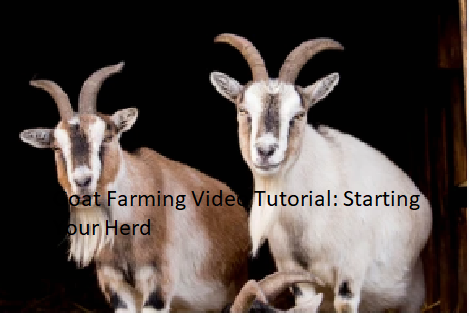
Learning the basics of livestock production through a high-quality goat farming video tutorial can bridge the gap between theoretical knowledge and hands-on success. Many aspiring farmers find that watching real-world demonstrations of feeding, housing, and health management provides a clearer understanding than written guides alone.
By observing expert techniques, you can avoid common pitfalls that often hinder newcomers during their first year of operation. This resource explores the essential components of building a productive herd, ensuring you have the practical foundation required to manage your animals with confidence and efficiency.
Essential Infrastructure for Your First Herd
Before acquiring your first goats, you must establish a secure environment that protects them from predators and extreme weather. A well-constructed barn or shed should provide approximately 12 to 15 square feet of floor space per adult goat to prevent overcrowding. Ensure the structure has adequate ventilation to keep the air fresh while avoiding direct drafts that could lead to respiratory illnesses.
Fencing is arguably the most critical investment for any new goat operation. Standard woven-wire fencing at least 48 inches high is generally recommended to keep goats contained and predators out. If you are using electric fencing, ensure the strands are spaced closely enough to prevent a curious goat from crawling through or getting stuck.
Water access must be consistent and clean at all times. Goats are notoriously picky drinkers and will avoid water that has been contaminated by debris or manure. Consider installing a gravity-fed or automatic waterer that is elevated off the ground to minimize the risk of fouling.
Selecting the Right Breed for Your Goals
Selecting the appropriate breed depends entirely on whether your primary focus is meat production, dairy, or fiber. For instance, the Boer goat is widely regarded as the gold standard for meat production due to its rapid growth rate and heavy muscling. If your goal is milk production, breeds such as the Nubian or Alpine are prized for their high butterfat content and consistent yields.
Fiber production requires a different set of considerations, focusing on the quality and volume of the fleece. Angora goats produce mohair, while Cashmere goats are raised for their soft undercoat. Research the specific climate requirements for these breeds, as some are more sensitive to humidity or cold than others.
Always source your foundation stock from reputable breeders who can provide health records and vaccination histories. Avoid purchasing goats from livestock auctions if you are a beginner, as these animals often have unknown medical backgrounds. Look for individuals that appear alert, have bright eyes, and maintain a healthy body condition score.
Daily Nutritional Requirements
Goats are ruminants, meaning they require a diet based primarily on high-quality forage to maintain rumen health. Provide your herd with free-choice access to clean grass hay or alfalfa, depending on their life stage and nutritional needs. Lactating does, for example, require higher protein levels than dry does or wethers to sustain milk production.
Supplemental grain should be used sparingly and only to address specific nutritional gaps. Over-feeding grain can lead to metabolic issues like urinary calculi, which is particularly dangerous for male goats. Always ensure that a loose mineral mix specifically formulated for goats is available to prevent deficiencies in copper, selenium, and zinc.
Browse is a natural part of a goat’s diet, as they are browsers rather than grazers. If your property has access to brush, brambles, or woody plants, your goats will naturally supplement their intake by eating these. Keep an eye on local vegetation to ensure there are no toxic plants, such as wild cherry or rhododendrons, which can be fatal if ingested.
Managing Herd Health and Hygiene
Preventative care is the cornerstone of a profitable goat farm. Establish a routine schedule for deworming and vaccination based on the advice of a local large-animal veterinarian. You can find detailed educational resources at the eXtension Foundation regarding common parasite management strategies.
Hoof trimming is a task that must be performed every 6 to 8 weeks to prevent lameness and bacterial infections. Use high-quality hoof shears and take care not to cut into the sensitive quick of the hoof. If you notice a goat limping or walking on its knees, inspect the hoof immediately for signs of rot or injury.
Maintain a clean environment by regularly mucking out the barn and refreshing the bedding. Deep litter systems can work well in cold climates, provided the top layer remains dry and clean. A clean barn reduces the buildup of ammonia and keeps the risk of coccidiosis or other environmental pathogens to a minimum.
Understanding Financial Projections
Operating a goat farm requires careful financial planning to ensure long-term viability. You must account for recurring costs such as hay, grain, veterinary services, and equipment maintenance. The following table illustrates typical categories of expenses that you should budget for during your first year of operation.
| Expense Category | Estimated Annual Frequency | Primary Driver |
|---|---|---|
| Forage/Hay | Monthly | Herd Size |
| Veterinary/Dewormer | Quarterly | Health Protocols |
| Fencing Repair | As Needed | Maintenance |
| Mineral Supplements | Monthly | Goat Consumption |
Track every dollar spent to determine your cost per head. This data will help you decide whether to scale up your herd or focus on higher-value products like artisanal cheese or breeding stock. Many successful small farms supplement their income by selling manure as high-quality garden fertilizer.
Breeding and Kidding Success
Successful kidding requires preparation and observation during the final stages of pregnancy. A typical gestation period for a goat is approximately 150 days. Prepare a clean, dry kidding pen at least two weeks before the expected due date to allow the doe to adjust to her surroundings.
Watch for signs of impending labor, such as the doe becoming restless, pawing at the ground, or seeking isolation. Most goats deliver their kids without assistance, but you should have emergency supplies on hand. These include clean towels, iodine for dipping umbilical cords, and a bulb syringe to clear the kids’ airways.
Colostrum intake is vital for the survival of newborn kids. Ensure that each kid receives adequate colostrum within the first few hours of life to build their immune system. If a mother rejects her kid or cannot produce enough milk, you may need to step in and provide bottle-feeding support.
Common Mistakes to Avoid
Many beginners fall into the trap of over-investing in expensive infrastructure before verifying the profitability of their market. Start small with a few animals to learn the nuances of herd management without the pressure of high overhead costs. Scaling too quickly often leads to neglect, as the time required to manage 50 goats is significantly higher than that for five.
Ignoring the importance of biosecurity is another common error that can devastate a herd. Always quarantine new arrivals for at least 30 days before introducing them to your existing animals. This practice prevents the introduction of contagious diseases like caseous lymphadenitis or caprine arthritis encephalitis.
Neglecting to keep accurate records will prevent you from making informed decisions about which animals to keep and which to cull. Maintain a simple ledger or digital spreadsheet that tracks birth dates, medical treatments, and production yields. Data-driven management allows you to improve your herd’s genetics and profitability over time.
Frequently Asked Questions
How many goats should a beginner start with?
Most experts recommend starting with two or three does. Goats are herd animals and will become stressed and prone to escaping if kept in total isolation. Starting small allows you to learn basic handling and medical skills without being overwhelmed.
What is the most common health issue in goats?
Internal parasites, specifically the barber pole worm, are the most significant health challenge for most goat owners. You should learn how to perform a FAMACHA score check to monitor your goats’ anemia levels. This technique is often demonstrated in a quality goat farming video tutorial.
Do I need a bull or a buck?
You only need a buck if you intend to breed your does on-site. Many small-scale farmers choose to lease a buck for the breeding season or use artificial insemination to avoid the aggressive behaviors and odors associated with owning a buck.
How much space do I need for a small backyard herd?
While goats need some room to browse, a small herd can thrive on as little as one-quarter of an acre if you provide supplemental hay. The quality of the fencing is far more important than the total acreage for small-scale operations.
Can I make a profit with a small number of goats?
Profitability depends on your local market and the value-added products you sell. Selling raw milk is often regulated or prohibited, but selling kids for meat or breeding stock can provide a steady income stream.
Building Your Future in Agriculture
Establishing a successful goat farm is a rewarding endeavor that combines biological knowledge with practical business management. By leveraging resources like a reliable goat farming video tutorial, you gain the visual context necessary to manage your animals with precision. Focus on the fundamentals of nutrition, health, and infrastructure to build a resilient herd that grows with your experience.
As you master the daily rhythms of your farm, you will discover that the effort invested in early planning pays dividends in the health and productivity of your animals. Stay patient, keep learning, and don’t hesitate to reach out to local agricultural extension offices for region-specific advice. Your journey into livestock production is a long-term commitment that can provide both personal satisfaction and sustainable agricultural success.
