

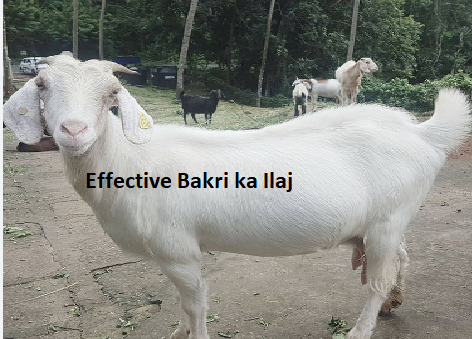
Providing proper bakri ka ilaj requires a combination of observation, immediate action, and veterinary support to ensure your herd remains productive. Managing goat health effectively starts with recognizing abnormal behavior early, as these animals often hide signs of illness until a condition becomes severe. By focusing on preventative care and timely intervention, you can significantly reduce mortality rates in your livestock.
When you notice your goat is acting differently, the first step in effective bakri ka ilaj is to check for common indicators like lethargy, loss of appetite, or abnormal stool. If a goat stops chewing its cud or separates itself from the herd, it is usually a sign of distress that requires immediate attention. Keeping a basic medical kit on hand allows you to stabilize the animal while you determine if you need to consult a professional veterinarian.
Understanding Common Goat Ailments
Goats are prone to several respiratory and digestive issues that often require specific treatment protocols. Pneumonia is a frequent concern, especially in environments with fluctuating temperatures or poor ventilation.
Symptoms often include heavy breathing, nasal discharge, and a persistent cough that worsens during the night. Treating this early is essential for survival, as respiratory damage in goats can become permanent if left unaddressed.
Parasitic infections remain the most common health challenge for goat farmers globally. Internal worms, such as Haemonchus contortus, can cause severe anemia and weakness by depleting the animal’s red blood cells.
You can identify these infections by checking the color of the goat’s lower eyelid membrane. A pale or white color, rather than a healthy pink, indicates a high worm load that demands immediate deworming medication to prevent further health decline.
Digestive upsets like bloat or acidosis also frequently occur due to improper feeding or sudden changes in diet. Bloat occurs when gas becomes trapped in the rumen, causing the left side of the goat to swell visibly.
This condition is life-threatening if the pressure is not relieved quickly through medication or physical movement. Always monitor your feed quality and introduce new forage gradually to prevent these digestive emergencies.
Essential Components of a First Aid Kit
Every goat owner should maintain a dedicated medical supply kit to handle minor issues before they escalate. Having these supplies ready saves critical time during an emergency, which is often the deciding factor in successful recovery. Ensure your kit is stored in a cool, dry place and that you check the expiration dates of all medications every six months.
- Digital Thermometer: Essential for checking if the goat has a fever, which is a primary indicator of infection.
- Antiseptic Solution: Used for cleaning wounds or umbilical cords in newborn kids to prevent secondary infections.
- Electrolytes: Vital for rehydration during bouts of diarrhea or heat stress.
- Syringes and Needles: Various sizes for administering oral medications or injectable treatments.
- Bloat Relief Medication: Specifically formulated oils or detergents to break down gas bubbles in the rumen.
- Lubricating Jelly: Necessary for assisting in difficult births or checking for rectal blockages.
Preventative Care Strategies
The most successful approach to managing goat health is preventing illness before it takes hold. Vaccinations against common diseases like Enterotoxemia and Tetanus are non-negotiable for any healthy herd.
These vaccines are typically administered once a year, with boosters for pregnant does to provide immunity to their offspring through colostrum. Following a strict vaccination schedule drastically reduces the need for reactive treatment.
Nutrition plays a massive role in building a strong immune system capable of fighting off pathogens. Goats require a balanced intake of minerals, specifically copper and selenium, which vary by region.
Providing free-choice mineral blocks designed specifically for goats helps fill nutrient gaps that forage alone cannot satisfy. A well-nourished goat is naturally more resistant to the stress of parasites and weather changes.
Sanitation within the shelter is another critical pillar of herd health management. Damp, overcrowded barns provide the perfect breeding ground for bacteria and lungworms.
Cleaning bedding regularly and ensuring the floor remains dry prevents foot rot and respiratory issues. Proper ventilation is just as important as cleanliness, as it allows moisture and ammonia fumes to escape the living area.
Treatment Protocols for Digestive Issues
Digestive health is the foundation of a goat’s overall wellbeing because of their complex ruminant system. When a goat suffers from scours or diarrhea, you must act quickly to prevent dehydration.
Isolate the sick animal immediately to monitor its intake and prevent the potential spread of contagious pathogens to the rest of the herd. You can learn more about managing these risks through the Food and Agriculture Organization’s animal production resources.
Start treatment by removing access to grain and providing only high-quality grass hay and fresh water. If the diarrhea is severe, administer an electrolyte solution orally to replace lost salts and fluids.
Do not reach for antibiotics immediately, as many digestive issues are caused by dietary imbalances rather than bacterial infections. Only use antibiotics if a veterinarian confirms a bacterial cause, as misuse can damage the rumen microflora.
If you suspect acidosis—often caused by overeating grain—the situation is an emergency. The rumen pH drops rapidly, causing systemic toxicity that can lead to death within hours.
Administering baking soda can sometimes help neutralize the acid in the rumen, but professional veterinary intervention is usually required to stabilize the animal’s blood pH. Prevention through strictly controlled grain feeding is the only long-term solution for this condition.
Managing Skin and Hoof Conditions
Skin issues such as ringworm, mange, or lice often cause significant discomfort and weight loss in goats. Lice infestations are particularly common during winter when goats huddle together in barns.
You will notice the animal rubbing against fences and posts, leading to hair loss and visible sores. Treating these involves applying specific pour-on insecticides or dipping solutions, ensuring you treat every goat in the herd to prevent re-infestation.
Foot rot is another painful condition that can render a goat unable to graze, leading to rapid decline. It thrives in wet, muddy conditions where the skin between the hooves becomes soft and vulnerable to bacteria.
Regularly trimming hooves keeps them healthy and allows you to spot early signs of infection or rot. If you notice a foul smell or lameness, clean the area with an antiseptic spray and keep the animal on dry ground until it heals.
The Role of Veterinary Intervention
While basic care can be managed at home, there are situations where you must call a professional. If a goat is experiencing a difficult labor, do not wait more than 30 minutes of unproductive straining to intervene.
Similarly, if an animal is unresponsive to initial treatment for fever or swelling, professional diagnostics are required. Trying to treat complex internal conditions without proper training can lead to accidental overdose or ineffective care.
Veterinarians can perform blood tests to identify specific nutrient deficiencies or viral loads that are invisible to the naked eye. They can also provide prescription-strength medications that are not available over the counter.
Building a relationship with a local vet before an emergency occurs ensures they are familiar with your herd and your management practices. This familiarity makes them much more effective when you eventually need to call them during a crisis.
Data Comparison of Common Treatments
Different conditions require varying levels of intensity regarding medication and monitoring. The table below outlines how common issues compare in terms of typical recovery time and the level of intervention required for effective treatment.
| Condition | Typical Recovery | Intervention Level |
|---|---|---|
| Mild Bloat | 1–2 hours | Low (Exercise/Oil) |
| Lice Infestation | 7–14 days | Medium (Topical) |
| Pneumonia | 7–10 days | High (Antibiotics) |
| Foot Rot | 5–7 days | Medium (Cleaning) |
| Severe Anemia | 2–4 weeks | High (Deworming/Iron) |
Frequently Asked Questions
How can I tell if my goat has a fever?
A normal temperature for a goat ranges between 101.5°F and 103.5°F. If your goat’s temperature is above 104°F, it is considered to have a fever and likely requires treatment for an underlying infection. Use a digital thermometer rectally for the most accurate reading.
Is it safe to give human medication to goats?
Generally, you should avoid giving human medication to goats unless specifically directed by a veterinarian. Many common human drugs are toxic to ruminants or can cause severe digestive failure. Always stick to products labeled for livestock use to ensure proper dosage and safety.
How often should I deworm my goats?
Deworming should not be done on a set schedule, but rather based on the individual needs of the animal. Use the FAMACHA system to check eyelid color and only treat goats that show signs of parasitic burden. This helps prevent the development of drug-resistant worm populations.
What should I do if a goat stops eating entirely?
A goat that has completely stopped eating is in a critical state and needs immediate attention. Check for signs of bloat, fever, or pain, and look at the eyes and gums for signs of illness. If you cannot identify an obvious cause, contact your veterinarian immediately, as goats can decline very quickly once they go off feed.
Can I keep a sick goat with the rest of the herd?
You should always isolate a sick goat from the rest of the herd until you know the cause of the illness. Isolation prevents the spread of contagious diseases and allows you to monitor the sick animal’s intake and output accurately. Keep them in a clean, dry pen with easy access to fresh water and forage.
Conclusion
Maintaining the health of your herd through informed bakri ka ilaj is a continuous process that rewards diligence and observation. By mastering the basics of symptom recognition and keeping a well-stocked medical kit, you protect your investment and ensure the welfare of your animals. Remember that consistent nutrition, clean housing, and proactive vaccination are far more effective than reactive treatments.
Always prioritize the advice of a qualified veterinarian when dealing with complex or persistent health issues. While self-treatment is often necessary for minor scrapes or digestive upsets, professional diagnosis is vital for long-term herd stability.
Stay observant, keep your records updated, and do not hesitate to seek help when a goat’s condition does not improve as expected. Your commitment to proper care will pay off in a healthy, productive flock for years to come.
