

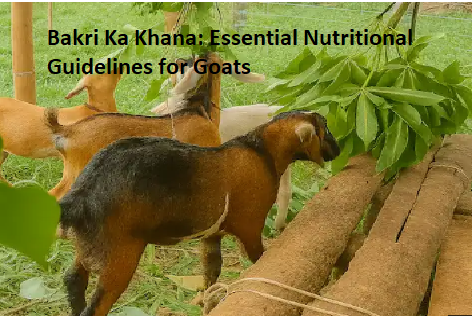
Providing proper bakri ka khana is the foundation of a healthy, productive, and profitable goat-rearing operation. Whether you are raising goats for milk, meat, or as companions, understanding their specific dietary requirements prevents common health issues like bloating, urinary stones, and nutritional deficiencies. Goats are natural browsers, meaning their digestive systems are designed for variety, not just simple grazing.
By focusing on high-quality forage, balanced supplements, and consistent water access, you ensure your herd remains resilient against seasonal changes and metabolic stress. This article breaks down exactly what goats need to thrive, how to structure their daily rations, and why precise feeding management is the secret to successful livestock maintenance.
Nutritional Requirements for Healthy Goats
The primary component of a healthy bakri ka khana regimen is high-quality forage. Goats require a diet rich in fiber to maintain healthy rumen function, which is the fermentation process that sustains them. You should aim for a diet consisting of at least 70% to 80% forage, such as dried hay, fresh grass, or browse from trees and shrubs. Alfalfa hay is an excellent choice for lactating does or growing kids because it provides high levels of protein and calcium.
However, avoid feeding only one type of hay, as variety mimics their natural browsing behavior. Supplementing with clean, dry straw can provide additional roughage, though it lacks the caloric density of legumes or grasses.
Remember that moldy or dusty hay can cause respiratory issues and digestive upsets. Always inspect feed quality before distribution, as goats are notoriously picky eaters and will reject contaminated food.
The Role of Concentrates and Grains
While forage is the base, concentrates are necessary for meeting energy demands during pregnancy, lactation, or high-growth phases. A typical concentrate mix for bakri ka khana includes grains like crushed corn, barley, or oats, often balanced with oilseed cakes like mustard or cottonseed cake. Energy-dense feeds should be introduced slowly to prevent acidosis, a condition where the rumen pH drops too low due to rapid fermentation.
You must monitor the ratio of grain to forage carefully to avoid metabolic disorders. Typically, a mature goat does not require heavy grain supplementation unless it is producing a high volume of milk or recovering from an illness.
Excessive grain can lead to obesity and reproductive issues, so keep these as a measured treat rather than a primary food source. Always consult a local veterinarian or agricultural extension office to determine the specific caloric needs of your breed.
Water: The Most Overlooked Nutrient
Water is arguably the most vital element in any goat’s daily intake. A goat requires between 2 to 4 liters of water per day depending on its size, the ambient temperature, and the moisture content of its feed. Dehydration in goats leads to a rapid decline in milk production and can cause kidney stones, which are particularly dangerous for bucks.
Keep water troughs clean and scrub them at least twice a week to prevent the buildup of algae or bacteria. In colder climates, consider using tank heaters, as goats may refuse to drink freezing water, which reduces their overall feed intake. Providing free-choice, clean water is the easiest way to improve the health of your flock without increasing your feed costs.
Mineral Supplements for Herd Health
Goats have specific mineral requirements that are rarely met by forage alone. A specialized loose goat mineral mix should be available free-choice at all times to prevent deficiencies. Pay close attention to the copper levels in these minerals, as goats have different needs compared to sheep; they require more copper, but it must be balanced to avoid toxicity.
Selenium and Vitamin E are also critical for muscle health, especially in areas where the soil is deficient in these elements. If your goats are suffering from weak kids or poor coat quality, they may be lacking essential trace minerals.
You can find detailed research on these requirements through the Food and Agriculture Organization of the United Nations regarding livestock nutrition standards. Regularly check that the mineral block or loose mix is not being contaminated by rain or manure.
Feeding Patterns by Life Stage
The nutritional strategy for bakri ka khana changes significantly as a goat matures. Kids require high-protein milk replacers or access to high-quality forage early on to develop their rumen. Once they reach the weaning stage, they need a “creep feed” that provides extra energy to support their rapid skeletal and muscular growth.
Adult dry does are generally easier to maintain on pasture, while pregnant does in their final trimester require a “steaming up” diet. This involves gradually increasing the energy and protein density of their feed to support fetal development and future milk production.
Bucks also have specific needs, particularly regarding the balance of calcium and phosphorus to prevent urinary calculi. Tailoring the diet to the specific life stage prevents unnecessary waste and keeps your feed budget under control.
Seasonal Adjustments to Diet
Goat feeding needs fluctuate wildly between the rainy season and the dry summer months. During the monsoon, lush green grass is abundant, but it can be high in moisture, which might lead to diarrhea if not balanced with dry hay. You should continue to provide some dry roughage even when green grazing is available to help stabilize the rumen.
In the dry season, browse becomes scarce, and you will need to rely more heavily on stored hay or silage. Silage or haylage can be an effective way to preserve nutrients for the winter, provided it is stored without air pockets to prevent spoilage. Plan your feed storage at least three months in advance to ensure you have enough calories to carry your herd through the leanest months of the year.
Common Dietary Mistakes to Avoid
Many owners accidentally harm their goats by providing the wrong types of kitchen scraps or toxic plants. While goats are curious and will eat a wide variety of vegetation, they are sensitive to certain plants like azaleas, rhododendrons, and wilted cherry leaves. Always ensure that the area where they browse is free from toxic weeds and shrubs.
Avoid feeding large quantities of high-starch human foods like bread, cakes, or processed cereals. These items can trigger rapid bacterial growth in the rumen, leading to bloat, which can be fatal if not treated immediately. Consistency is the best practice; avoid sudden changes to the diet, as the rumen microflora needs time to adapt to new feed sources.
Comparative Nutritional Values
The following table provides a general overview of the nutrient requirements for different types of goats. These figures serve as a baseline for planning your feed procurement.
| Goat Category | Primary Feed Need | Protein Level (%) | Energy Density |
|---|---|---|---|
| Growing Kid | Alfalfa + Starter Grain | 16% – 18% | High |
| Lactating Doe | Quality Hay + Grain Mix | 14% – 16% | High |
| Dry/Maintenance | Pasture + Grass Hay | 8% – 10% | Low/Moderate |
| Buck (Breeding) | Hay + Mineral Supplement | 10% – 12% | Moderate |
Essential Items for Your Goat Feeding Setup
To manage your bakri ka khana effectively, you should invest in specific equipment that minimizes waste and keeps the food clean. Goats are notorious for stepping in their feed and contaminating it, which leads to both waste and potential parasite infection. Using elevated feeders or wall-mounted racks keeps the hay off the floor and encourages better eating habits.
* Elevated hay racks to keep forage off the ground.
* Sturdy, tip-proof water troughs for daily hydration.
* Mineral feeders designed to keep loose minerals dry.
* Grain troughs that are easily removable for cleaning.
* Storage bins to keep feed dry and protected from rodents.
Frequently Asked Questions
What is the best way to introduce new feed to a goat?
Always introduce new feed types gradually over a period of 7 to 10 days. Start by mixing a small amount of the new feed with their current ration and slowly increase the proportion while decreasing the old feed. This allows the rumen microbes to adjust, preventing digestive upsets like bloat or scours.
Can goats survive on grass alone?
In some environments with high-quality, diverse pasture, goats can thrive on grazing alone. However, most managed herds benefit significantly from supplemental hay during the winter or dry periods. If the pasture is limited or of poor nutritional quality, you must provide supplemental hay and minerals to keep them healthy.
Why is my goat refusing to eat its food?
A sudden loss of appetite is often a sign of illness, such as a fever, parasite load, or dental issue. First, check the quality of the feed to ensure it isn’t moldy or spoiled, as goats are very sensitive to smell. If the feed is fresh and the goat still refuses to eat, consult a veterinarian to rule out infections or internal parasites.
How often should I feed my goats?
Goats are natural browsers that prefer to eat small amounts frequently throughout the day. Providing feed in two daily sessions—morning and evening—is standard for most operations. If you are using a pasture system, they will naturally graze throughout the day, which is ideal for their digestion.
Is it safe to feed kitchen scraps to goats?
Most vegetable scraps like carrot tops, cucumber ends, and pumpkin are safe in moderation. Avoid feeding onions, garlic, chocolate, or any moldy leftover food, as these can be toxic or cause severe digestive distress. Treat all kitchen scraps as a supplement rather than a replacement for their primary forage diet.
Conclusion
Mastering the art of providing high-quality bakri ka khana is the most effective way to ensure your herd remains healthy and productive for years. By prioritizing clean water, consistent forage, and carefully managed mineral intake, you create a stable environment that supports growth and reproduction. Remember that every herd is unique, and observing your animals’ body condition scores will tell you more than any chart ever could.
Adjust your feeding strategies based on seasonal availability and the specific life stage of your goats to maximize their potential. Start by auditing your current feeding setup today, and you will likely see improvements in your goats’ vitality within just a few weeks of consistent, high-quality nutrition.
