

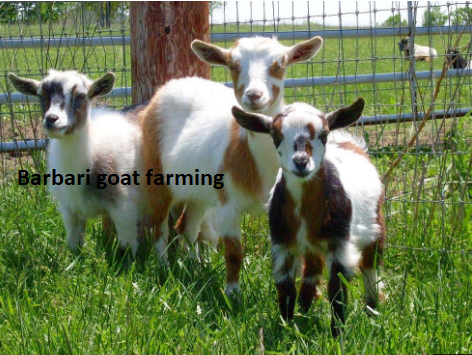
Barbari goat farming has become a cornerstone of small-scale livestock management due to the breed’s remarkable adaptability and efficient growth cycles. Originally hailing from the border regions of India and Pakistan, these goats are highly valued for their compact size and ability to thrive in restricted space.
Whether you are managing a backyard operation or a larger commercial herd, understanding the specific biological requirements of this breed is the first step toward profitability. By focusing on their unique dietary needs and reproductive habits, farmers can achieve consistent yields in both meat and milk production.
The primary question for any producer is how much weight a Barbari goat can gain in a year. Under optimal management conditions, a healthy Barbari kid will reach a body weight of approximately 25 to 30 kilograms within 12 months. Males often reach sexual maturity around 6 to 8 months, but they are typically finished for meat production between 9 and 12 months of age.
This rapid growth cycle is a major advantage for commercial operations looking for a quick return on investment. Because of their small stature, they require significantly less feed compared to larger breeds, making them an ideal choice for intensive farming systems.
Understanding Breed Characteristics and Origins
The Barbari is a distinct, short-eared breed known for its compact, muscular frame and high fertility rates. They are primarily recognized by their light tan or white coats, often featuring small brown or black patches.
Unlike many other breeds that require extensive grazing land, these goats are essentially stall-fed animals. This trait makes them perfect for urban and peri-urban environments where large pastures are unavailable.
They are remarkably resilient to common caprine ailments, provided the basic principles of hygiene and vaccination are followed. Their ability to convert low-quality forage into high-quality protein is efficient, which directly impacts the bottom line of your operation.
Breeders often select for specific physical traits, such as a deep chest and strong legs, to ensure the animal remains active throughout its productive life. Consistent monitoring of weight gain and body condition scores is essential for maintaining a high-quality herd.
Infrastructure and Housing Requirements
Efficient Barbari goat farming relies heavily on the layout of your housing facility. Because these animals are usually kept in confinement, the barn must be designed to promote airflow while protecting the goats from extreme temperature fluctuations.
You should allocate approximately 10 to 12 square feet of floor space per adult goat to prevent overcrowding and reduce the risk of respiratory infections. Elevated wooden or slatted floors are highly recommended, as they keep the animals away from their waste and prevent hoof rot.
Ventilation is the most critical factor in a closed-system barn. Ammonia buildup from urine can cause significant damage to the lungs, leading to long-term health issues that stunt growth. Ensure your structure has sufficient windows or vents to allow for a constant exchange of fresh air.
Furthermore, you must provide dedicated areas for kidding and isolation. Keeping pregnant does separated from the main herd prevents accidental injury and ensures the newborns receive the necessary attention during their first few weeks of life.
Nutritional Management and Feeding
The dietary requirements of Barbari goats differ from larger grazing breeds because they are biologically adapted to browsing and intensive stall feeding. While they enjoy green fodder, you should supplement their diet with high-protein concentrates to ensure rapid weight gain.
A balanced ration typically includes a mixture of cereal grains, oil cakes, and mineral blocks to support bone development. During the dry season, you can rely on stored hay or silage to fill the nutritional gap.
Water availability is often overlooked, yet it is the most important factor in milk production and overall health. A lactating doe needs significantly more water than a dry doe to maintain her output.
Clean, fresh water must be accessible at all times to encourage consistent feed intake. According to guidelines provided by the Food and Agriculture Organization of the United Nations, maintaining strict water quality standards prevents the transmission of internal parasites that plague intensive goat operations.
Reproductive Cycles and Herd Growth
One of the most attractive aspects of working with this breed is their high reproductive frequency. Barbari goats are polyestrous, meaning they can breed throughout the year rather than being restricted to a single season.
It is common for a healthy doe to produce two kiddings every 12 to 14 months, often resulting in twins or even triplets. This prolific nature allows a farmer to expand their herd size rapidly without purchasing new stock from external sources.
Managing the breeding cycle requires careful record-keeping. You should track the date of service for every doe to predict kidding dates with accuracy.
This allows you to increase the nutritional intake of the doe during the final trimester of pregnancy, which is vital for the development of the kids. Proper management of the buck is also necessary; rotate your bucks every few seasons to avoid inbreeding, which can lead to a decrease in the overall vigor of your herd.
Common Health Challenges and Prevention
Disease management in an intensive setting is about prevention rather than cure. The most common issues facing a farm include internal parasites, such as stomach worms, and respiratory infections.
Implementing a strict deworming schedule is mandatory for maintaining weight gain. You should rotate your deworming agents to prevent the development of resistant parasite strains within your herd.
Vaccination against Peste des Petits Ruminants (PPR) and enterotoxemia is standard practice. These diseases can wipe out an entire herd in a matter of days if left unchecked.
Establishing a relationship with a local veterinarian is a strategic move that helps you identify early warning signs of illness. Keeping a detailed health log for each animal—noting vaccinations, deworming dates, and any signs of illness—will help you make data-driven decisions about which animals to keep and which to cull.
Financial Planning and Economic Viability
Profitability in this sector is driven by the speed of turnover. Because Barbari goats reach market weight quickly, you can generate cash flow multiple times throughout the year.
Your costs will be dominated by feed, labor, and initial infrastructure, but the high demand for goat meat often provides a strong cushion against fluctuating market prices. It is helpful to analyze your expenses against your expected output to ensure your operation remains sustainable.
| Expense Category | Percentage of Total Budget | Primary Drivers |
| :— | :— | :— |
| Feed Costs | 60% | Concentrates, green fodder, minerals |
| Labor | 15% | Daily care, feeding, cleaning |
| Veterinary Care | 10% | Vaccines, deworming, routine checkups |
| Infrastructure | 10% | Repairs, housing maintenance |
| Miscellaneous | 5% | Transport, marketing, utilities |
Marketing Your Goat Products
Selling your stock effectively requires an understanding of your local market. Many farmers find that selling directly to local butchers or at regional livestock markets provides the best margins.
If you are raising goats for milk, you might explore local demand for raw goat milk or value-added products like goat cheese. Diversifying your income streams—selling both meat and milk—can significantly improve the stability of your business.
* Direct sales to local consumers for holiday demand.
* Contracting with local restaurants that specialize in goat-based dishes.
* Selling high-quality breeding stock to other local farmers.
* Utilizing social media platforms to showcase your herd’s health and quality.
Frequently Asked Questions
How much milk does a Barbari goat produce a day?
A well-fed Barbari doe typically produces between 0.8 to 1.2 liters of milk per day. While this is lower than specialized dairy breeds, the milk is highly nutritious and rich in fat, making it valuable for specific markets.
Are Barbari goats considered good for meat production?
Yes, they are highly regarded for their meat quality. The meat is lean, tender, and has a mild flavor that is preferred in many culinary traditions. Their rapid growth rate makes them an excellent choice for meat-focused operations.
How much land is actually needed for 100 goats?
Because Barbari goats are primarily stall-fed, you do not need vast acreage. You can manage 100 goats in a facility covering roughly 1,200 to 1,500 square feet, provided the area is clean and well-ventilated.
What is the biggest risk in Barbari goat farming?
The biggest risk is the failure to maintain hygiene, which leads to respiratory issues and parasite infestations. Overcrowding in the barn is the most common trigger for these health problems, so strict space management is vital.
How long do Barbari goats typically live?
With proper care and nutrition, a Barbari goat can live for 8 to 10 years. However, in a commercial meat production environment, most animals are sold or harvested long before they reach their natural lifespan.
Conclusion
Barbari goat farming offers a reliable path to agricultural success for those who prioritize efficiency and space management. By focusing on the specific nutritional and housing needs of the breed, you can foster a productive herd that yields consistent meat and milk throughout the year. Success in this field is not found in large-scale expansion, but in the meticulous attention to daily health, growth rates, and feed conversion ratios.
As you begin your journey, remember that the most successful farms are those built on consistent record-keeping and a deep understanding of animal welfare. Starting small and scaling based on your actual results will provide the stability needed to grow a sustainable and profitable goat operation over the long term.
