

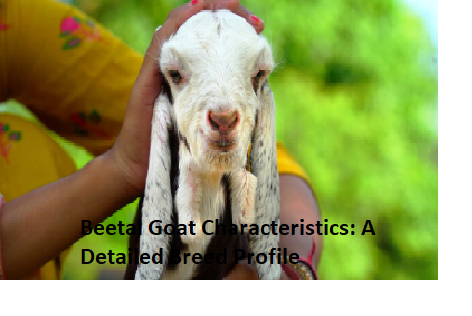
Understanding Beetal goat characteristics is essential for farmers and livestock enthusiasts looking to invest in a breed known for its dual-purpose productivity. Originating from the Punjab region of India and Pakistan, these goats are highly regarded for their ability to thrive in varied climates while producing both substantial milk and quality meat.
By examining their physiological traits, growth patterns, and environmental adaptability, you can better determine if this breed aligns with your specific agricultural goals. This profile provides the foundational data necessary to make informed decisions about herd management and breeding strategies.
The primary Beetal goat characteristics include a tall, long-legged frame, a Roman nose, and long, drooping ears that give them a distinct, majestic appearance. Mature males typically reach a height of 90 to 100 centimeters, while females are slightly shorter, generally standing between 75 and 85 centimeters. Their coat is typically short and lustrous, appearing in colors such as black, red, or spotted patterns.
They possess a muscular build that makes them excellent candidates for cross-breeding programs aimed at improving local goat populations. Their temperament is generally docile, which simplifies daily handling and milking routines for smallholder farmers.
Physical and Reproductive Traits
The physical stature of the Beetal is designed for movement and endurance in semi-arid and tropical environments. Their legs are long and sturdy, allowing them to travel significant distances to forage in pasture-based systems.
A defining feature is their highly developed, pendulous udder in females, which is a key indicator of their superior milk production potential. Reproductive efficiency is another hallmark of the breed, as they often exhibit high fertility rates and are capable of producing twins or triplets under optimal nutritional conditions.
Milk Production Performance
Beetal goats are widely considered one of the best milk-producing breeds in the Indian subcontinent. A healthy, well-fed doe can produce an average of 1.5 to 2.5 liters of milk per day during her peak lactation cycle.
Lactation periods typically last between 180 and 200 days, providing a steady source of income or nutrition for the owner. The milk is recognized for its high fat content, often ranging from 4% to 5%, which makes it highly desirable for processing into dairy products like yogurt or cheese.
Growth and Meat Potential
Beyond their dairy output, Beetal goats are prized for their rapid growth rate and meat quality. Kids show significant weight gain in their first year, often reaching 30 to 40 kilograms by the 12-month mark with proper management.
By 24 months, a well-managed buck can weigh upwards of 60 to 70 kilograms, making them a lucrative choice for meat production. Their high carcass yield and lean meat profile attract premium prices in local markets where goat meat is a staple protein source.
Environmental Adaptability
The breed is famous for its resilience in the face of fluctuating temperatures and diverse terrains. They thrive in the hot, humid conditions of the Punjab plains but remain productive in cooler, hilly regions when provided with appropriate shelter.
Their digestive systems are remarkably efficient at converting roughage and crop residues into body mass, which reduces dependence on expensive commercial feeds. This hardiness makes them an ideal choice for farmers operating in low-input systems where grazing is the primary source of nutrition.
Comparison of Key Breed Metrics
To better understand how this breed stacks up, the following table outlines the approximate performance metrics expected from a healthy, well-managed Beetal goat. These figures represent averages observed in intensive and semi-intensive farming systems.
| Metric | Performance Expectation |
|---|---|
| Daily Milk Yield | 1.5 to 2.5 Liters |
| Weight at 12 Months | 30 to 40 Kilograms |
| Weight at 24 Months | 60 to 70+ Kilograms |
| Lactation Period | 180 to 200 Days |
| Average Lifespan | 8 to 12 Years |
Management and Feeding Requirements
Successful herd management relies on balancing their natural foraging instincts with supplemental nutrition. While they are excellent browsers, providing high-quality alfalfa or berseem clover during lactation significantly boosts milk yields. Clean, constant access to fresh water is non-negotiable for maintaining their health and production levels.
Regular vaccination schedules for common caprine diseases are vital to protecting your investment, as the breed, despite its hardiness, remains susceptible to standard respiratory and parasitic infections. You can find more information on best practices for small ruminants through the Food and Agriculture Organization of the United Nations regarding global livestock management standards.
Economic Advantages for Smallholders
The versatility of the Beetal breed offers multiple revenue streams for farmers. By focusing on both milk and meat, producers can hedge against market volatility in either sector.
- Diversified Income: Sales of milk, kids, and mature bucks provide cash flow throughout the year.
- Low Input Costs: Their ability to thrive on diverse vegetation minimizes the need for high-cost grain supplements.
- Market Demand: High-quality meat is consistently in demand during festival seasons and for daily consumption.
- Genetics: Purebred Beetal goats are in high demand for cross-breeding to improve the local gene pool.
Addressing Common Inquiries
When considering the addition of these animals to your farm, it is common to have questions regarding their care and long-term viability. Addressing these early ensures you are prepared for the commitment required.
How do Beetal goats handle extreme summer heat?
Beetal goats are well-adapted to the hot climates of the Punjab region. They possess a short, sleek coat that helps dissipate heat, though they still require access to shade and plenty of water during peak summer temperatures to prevent heat stress.
What is the typical lifespan of a Beetal goat?
Under good management and veterinary care, a Beetal goat typically lives between 8 and 12 years. Their productive life as milk producers or breeders usually spans 5 to 7 years depending on their health and nutritional status.
Are they suitable for backyard farming?
They can be kept in smaller setups, but they require enough space to browse and move around. Because they are active and social animals, they are generally better suited to setups that offer some outdoor access rather than strict confinement.
How often do they produce offspring?
Beetal goats are known for their high fertility and are often capable of kidding twice in a 14 to 16-month period. Good nutrition and health management are the primary drivers in achieving this frequency.
Why is the Roman nose important?
The Roman nose is a classic breed characteristic, often associated with a deeper, more robust respiratory system. This trait is frequently used by breeders as a visual indicator of the animal’s purity and its overall structural strength.
Conclusion
Integrating Beetal goats into your agricultural operations offers a balanced approach to livestock farming. Their dual-purpose nature, combined with their inherent hardiness and rapid growth rates, provides a solid foundation for sustainable productivity. By mastering the specific management needs outlined in this profile, you can maximize the potential of your herd.
Whether you are aiming for commercial milk production or high-quality meat output, understanding Beetal goat characteristics will help you optimize your results. We encourage you to start with a small, healthy foundation herd and scale your operations as you become more familiar with the specific needs and behaviors of these resilient animals.
