

Understanding Boer goat characteristics is essential for anyone looking to enter the meat goat industry or improve their existing herd. Originally bred in South Africa in the early 20th century, these animals have become the global gold standard for meat production due to their rapid growth rates and superior carcass quality.
By focusing on specific physical traits and behavioral patterns, breeders can select the most productive stock for their operations. This article breaks down the primary traits that define the breed, helping you identify high-quality animals and manage them effectively for maximum profitability.
Physical Appearance and Conformation
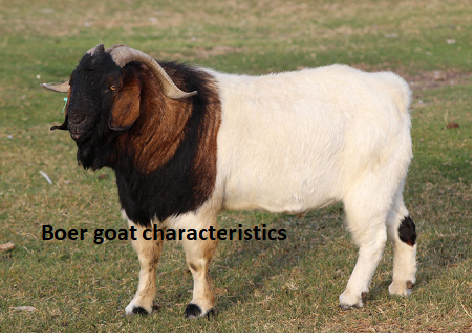
The most striking Boer goat characteristics involve their distinct physical build, which has been selectively bred for heavy muscling. A mature Boer goat typically displays a wide, deep chest and a long, broad body that provides ample space for muscle development. You will notice a strong, sturdy frame with well-sprung ribs that contribute to their overall high yield of meat.
The breed is famous for its unique coat pattern, which is almost always white on the body with a dark head and neck. While the classic look features a red or brown head, the American Boer Goat Association recognizes several color variations, including solid red or paint patterns. A white blaze on the face is a common and desirable feature, often extending down the nose.
Structural soundness is a critical component of these goats, particularly regarding their legs and feet. They must possess strong, straight legs with pasterns that provide enough flexibility to support their heavy, muscular frames during grazing. Any sign of cow-hocking or weak pasterns is considered a significant fault in breeding stock, as it limits the animal’s mobility in pasture settings.
Growth Rates and Weight Standards
One of the primary reasons farmers choose this breed is their exceptional weight gain, which far outpaces most other goat breeds. A healthy kid can gain as much as 0.4 to 0.5 pounds per day during the weaning phase under optimal nutritional conditions. This rapid growth allows farmers to bring animals to market weight much faster than dairy or brush goat breeds.
Mature bucks typically weigh between 240 and 300 pounds, while does generally reach between 190 and 230 pounds. Achieving these weights requires high-quality forage and consistent supplemental nutrition during peak growth periods. It is important to note that these weights are not just size-based; they represent a high ratio of lean muscle mass to bone structure.
Management of weight gain involves monitoring the animal’s body condition score regularly. Because Boer goats are heavy, they can be prone to obesity if they are not provided with enough exercise or if their diet is too high in energy. Keeping a balance between growth and structural health is the key to maintaining a productive and long-lived herd.
Temperament and Handling
Boer goats are widely regarded for their calm and docile temperament, which makes them easier to manage than many other livestock breeds. This trait is a result of decades of selective breeding that prioritized ease of handling for commercial farmers. When handled correctly, these animals are less likely to panic or become aggressive, reducing stress for both the animal and the farmer.
Their social nature means they tend to herd well, staying close to one another while grazing in open pastures. This behavior simplifies the process of moving them between paddocks or loading them for transport. However, their intelligence can sometimes lead to them testing fences, so you should ensure that your perimeter is secure and well-maintained.
Despite their calm demeanor, they remain alert to their surroundings, which is a natural survival instinct. They are excellent mothers, often demonstrating a strong protective nature toward their kids without becoming overly aggressive toward human handlers. This balance makes them a favorite for small-scale hobby farmers and large-scale commercial operations alike.
Reproductive Performance and Mothering
The reproductive capabilities of the breed are a major driver of their popularity in the agricultural sector. Boer does are known for their high fertility rates and their ability to produce multiple births, often delivering twins or even triplets. This high reproductive output significantly increases the number of marketable kids per doe each year.
The maternal instinct in these animals is exceptionally strong, which leads to high survival rates among kids. A doe will typically stay close to her young during the first few days of life, ensuring they receive adequate colostrum and warmth. This reduces the need for human intervention during the kidding season, saving the farmer significant time and labor.
| Trait | Typical Standard |
|---|---|
| Average Gestation | 150 Days |
| Kidding Frequency | 3 times per 2 years |
| Birth Weight (Single) | 8 to 10 lbs |
| Weaning Age | 90 to 120 days |
Does also exhibit a long breeding season, allowing producers to time their kidding cycles to match market demand or forage availability. By managing the nutritional intake of the does, farmers can effectively manipulate the timing of the breeding cycle to ensure a steady supply of meat throughout the year.
Adaptability to Different Environments
Boer goats are incredibly resilient and can thrive in a wide variety of climatic conditions. While they originated in the semi-arid regions of South Africa, they have successfully adapted to humid, cold, and mountainous environments across the globe. Their ability to forage on diverse vegetation makes them highly efficient at turning brush and weeds into high-quality protein.
Their short, dense coat is well-suited for hot climates, as it helps dissipate heat efficiently. In colder regions, they grow a thicker undercoat during the winter months to maintain body temperature. However, they do require adequate shelter from cold wind and freezing rain to prevent health issues, particularly during the harsh winter months.
This adaptability extends to their diet, as they are browsers by nature rather than grazers. They prefer to eat leaves, shrubs, and weeds, which makes them an excellent choice for land management projects. By utilizing their natural feeding habits, farmers can improve pasture health and reduce the need for chemical weed control on their property.
Key Traits for Selection
When selecting animals for a breeding program, you must look for specific markers that indicate genetic quality. A high-quality Boer goat should exhibit a strong, masculine or feminine head with a Roman nose and a wide muzzle. These facial features are often associated with good overall health and vigor in the animal.
The teeth and jaw alignment are critical, as any malocclusion can prevent the goat from grazing effectively. Ensure that the teeth meet the dental pad properly, as this is a hereditary trait that should not be passed down to future generations. Furthermore, examine the udder of the doe to ensure it is symmetrical and free of lumps, which is essential for nursing.
* Strong, muscular neck that is proportional to the body size.
* Deep, wide chest floor indicating good lung capacity.
* Long and level back with a broad loin area.
* Strong, wide hips that allow for easy kidding.
* Uniform pigment on skin, especially around the eyes and nose.
Focusing on these characteristics will help you build a herd that is not only productive but also resilient and long-lived. Avoid purchasing animals that show signs of structural weakness or poor health, as these traits are difficult to breed out once they are established in your population.
Health Management and Maintenance
Maintaining the health of a Boer goat herd requires a proactive approach to parasite control and vaccination. Because these animals spend a significant amount of time grazing and browsing, they are susceptible to internal parasites like barber pole worms. Implementing a regular fecal egg count program will help you determine the most effective deworming schedule for your specific location.
Vaccinations should be tailored to the common diseases in your region, with most vets recommending a standard CDT vaccine. This protects the goats against clostridial diseases, which can be fatal if the animals are not properly immunized. Proper nutrition, including access to clean water and a balanced mineral supplement, is the foundation of a robust immune system.
Foot care is another essential aspect of maintenance, particularly in areas with high rainfall or damp soil. Hooves should be trimmed periodically to prevent rot and to ensure the animal can walk comfortably. Regular observation of the herd will allow you to catch potential health issues early, minimizing the need for expensive veterinary interventions later on.
Frequently Asked Questions
What are 5 key characteristics of a Boer goat?
The five most important traits are their rapid growth rate, muscular conformation, high fertility, docile temperament, and excellent maternal instincts. These features collectively make them the most efficient meat-producing goat breed globally.
How long does it take for a Boer goat to be fully grown?
While they reach sexual maturity between 5 and 7 months, a Boer goat is generally considered fully mature in terms of frame size and muscle development by 18 to 24 months of age.
What are Boer goats mainly used for?
They are primarily raised for meat production. Their ability to convert forage into high-quality muscle makes them the preferred choice for commercial meat goat operations.
Are Boer goats hard to raise?
They are generally considered beginner-friendly compared to other breeds because of their calm nature and hardiness. However, they do require consistent parasite management and proper fencing to keep them healthy and safe.
Do I need special equipment to raise them?
You don’t need highly specialized equipment, but you do need sturdy, high-tensile fencing to keep them contained. A basic shelter and a simple set of handling chutes can make routine tasks like vaccination and hoof trimming much easier.
Conclusion
Mastering the nuances of Boer goat characteristics is the foundation of a successful and profitable livestock venture. By focusing on their superior growth rates, calm temperament, and robust maternal traits, you can build a herd that consistently meets market demands for high-quality meat. Remember that successful production relies on a combination of selective breeding, proper nutritional management, and vigilant health care.
Whether you are starting with a small hobby flock or scaling up to a larger commercial operation, the consistency of this breed provides a reliable path forward. Evaluate your potential stock carefully, invest in good management practices, and stay observant of your animals’ needs. By applying these principles, you will be well-positioned to see the benefits of these remarkable animals in your own agricultural operation.
